


Cambodia Insight
The Landscape of Metal Packaging in Cambodia
Analyzing the shift from basic fabrication to automated industrial container production.
Cambodia's industrial sector is experiencing a steady transition toward localized manufacturing of essential packaging. As the demand for paint, chemical lubricants, and automotive fluids grows within the domestic market, there is a critical need for high-quality metal containers. Historically, many businesses relied on imported barrels, but increasing logistics costs and the need for just-in-time supply chains have pushed Cambodian enterprises to invest in their own fabrication capabilities. The current infrastructure varies from small-scale workshops to medium-sized industrial plants, creating a diverse demand for both standalone welding units and fully integrated production lines.
Current market trends show a strong shift toward automation and precision. Manufacturers are moving away from manual spot welding toward continuous seam welding to ensure the leak-proof quality required for hazardous materials. This transition is driven by stricter safety regulations and the need to compete with international quality standards. There is also a growing interest in multi-functional equipment that can handle various materials, such as galvanized sheets for corrosion resistance and stainless steel for food-grade containers, allowing plants to diversify their product offerings without duplicating their capital investment in machinery.
The outlook for the Cambodian metal container industry is positive, though constrained by the availability of technical expertise. The primary opportunity lies in the adoption of non-standardized, flexible equipment that can be adapted to specific local requirements, such as irregular barrel shapes for niche agricultural chemicals. As the economy continues to diversify, the integration of energy-efficient welding technology and automated forming processes will be the defining factor for companies seeking to reduce operating costs while increasing their market share in the Southeast Asian packaging region.
Technology Path
Evolution of Metal Container Fabrication
From basic manual assembly to the era of precision automated welding.
Manual Era
Basic Fabrication
Production relied on hand-operated tools and simple spot welding, resulting in slow output and high leak rates in metal barrels.
Semi-Auto Phase
Mechanical Integration
Introduction of basic conveyor systems and mechanical seam welders reduced labor and improved the consistency of circular containers.
Modern Era
Precision Automation
Current systems integrate laser welding and PLC controls, enabling high-speed production of irregular and high-pressure containers.
Integration of Non-Standard Design
Modern fabrication has moved beyond "one-size-fits-all." The ability to customize equipment based on specific customer drawings allows for the creation of specialized containers for the automotive and chemical sectors, increasing market agility.
Shift to Pulse Seam Welding
The transition from constant current to pulse welding has significantly reduced heat distortion in thin-walled containers, ensuring that the structural integrity of the metal is preserved during the high-speed welding process.
Sustainable Material Processing
Newer machinery focuses on minimizing material scrap through precision cutting and optimized nesting, aligning industrial production with global environmental goals and reducing raw material costs.
Future Outlook
Key Trends Shaping Metal Container Manufacturing
Exploring the technological drivers that will define the next decade of industrial packaging.
Smart Control Systems
The adoption of IoT-enabled controllers allows operators to monitor weld quality in real-time, reducing the need for manual post-production inspection and minimizing defective batches.
Hybrid Welding Technologies
Combining resistance welding with laser precision allows for the fabrication of ultra-thin-walled containers that maintain high pressure, ideal for high-end chemical packaging.
Modular Line Architecture
Manufacturers are shifting toward modular production lines that can be quickly reconfigured to switch between round, square, or irregular barrel types without extensive downtime.
Advanced Coating Integration
Integrating automated surface treatment and coating within the production line ensures that barrels are corrosion-resistant immediately after fabrication, improving lead times.
The integration of these trends is not merely about increasing speed, but about enhancing the "Information Gain" of the manufacturing process. By utilizing data-driven welding, Cambodian plants can reduce their waste of carbon steel and galvanized sheets, directly impacting their bottom line. The movement toward laser-assisted systems is particularly critical for the automotive sector, where components like car filters and mufflers require zero-tolerance joints to ensure performance and longevity under extreme heat and vibration.
Furthermore, the rise of specialized container needs—such as military-grade barrels or vacuum cleaner housings—demands equipment that can handle irregular geometries. The industry is evolving toward a "design-to-build" model where the machinery is as flexible as the product it creates. This enables local operators to pivot their production based on market demand without needing to invest in entirely new factories, making the capital expenditure much more efficient and sustainable in a volatile economy.
Practical Applications
Real-World Implementation in Cambodia
How our equipment solves specific fabrication problems across various local industries.
01
Agricultural Chemical Packaging in Phnom Penh
A local producer of fertilizers requires leak-proof 20L plastic-lined metal barrels. By implementing our automated barrel production line, they transition from manual spot welding to a continuous seam process, ensuring that caustic chemicals do not leak during transport over rough rural roads, thereby reducing environmental liability and product waste.
02
Automotive Part Fabrication for Export
A specialized workshop producing car mufflers and filters needs high-strength joints. Using our laser welding pipe technology, they achieve seamless fusion of stainless steel components. This eliminates the need for bulky filler materials and reduces the weight of the final product, meeting the strict precision standards required for international automotive exports.
03
Industrial Oil Storage Solutions
A facility managing large volumes of lubricant needs 200L heavy-duty carbon steel drums. By deploying our resistance welding equipment, they can efficiently weld thick-walled sheets with intermittent pulse settings, creating structural reinforcement points that allow the barrels to withstand high stacking pressure in warehouses.
04
Solar Water Heater Tank Assembly
With the rise of green energy in Cambodia, a manufacturer of solar water heaters requires large, airtight stainless steel tanks. Our seam welding machines provide the continuous, high-temperature fusion necessary to ensure these tanks remain leak-free under varying thermal expansion and contraction cycles.
05
Custom Fire Extinguisher Housing
A safety equipment provider needs irregular, thin-walled steel housings for fire extinguishers. Using our non-standard design capability, we provide a barrel making machine tailored to their specific curved dimensions, ensuring a perfect fit and high-pressure resistance without the waste associated with generic tooling.
Operational Evidence
Representative Deployment Scenarios
Illustrative perspectives on how our equipment improves industrial output.
Transitioning from manual welding to an automated barrel production line has completely changed our output capacity. We now produce standardized 20L paint barrels with zero leakages, which has significantly improved our relationship with domestic distributors who previously complained about seam failures.
The ability to customize the machinery based on our specific drawings was the deciding factor. We needed a non-standard housing for a specialized industrial vacuum, and the precision of the resistance welding equipment ensured that every unit was identical and structurally sound.
Implementing laser welding for our exhaust pipe production has reduced our assembly time and eliminated the need for secondary sealing. The joints are cleaner and the overall structural strength is superior to our previous MIG welding setup.
Our Heritage
Hebei Xindrui Machinery: Two Decades of Engineering
A legacy of reliability in the metal packaging and container equipment industry.
2000
Founding of Xindrui Machinery Factory
Established in Cangzhou City, Hebei Province, the company began its journey focusing on providing fundamental machinery solutions for local metal workshops, building a strong foundation in non-standard equipment manufacturing.
Growth Phase
Diversification of Production Lines
Over two decades, the company evolved to develop comprehensive production lines for metal barrels, canning equipment, and corrugated elbow machinery, solving complex technical problems for medium and large enterprises.
Current
Global Expansion and Innovation
Hebei Xindrui now exports to over 15 countries including the US, Russia, and Vietnam. The company adheres to a philosophy of technological innovation and quality-first production to serve global metal packaging needs.
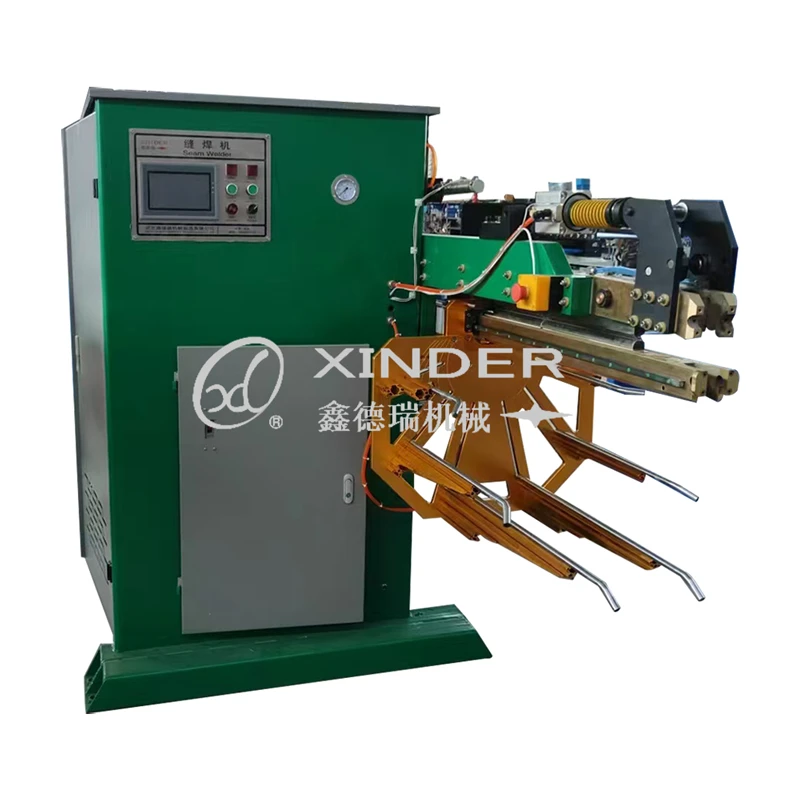
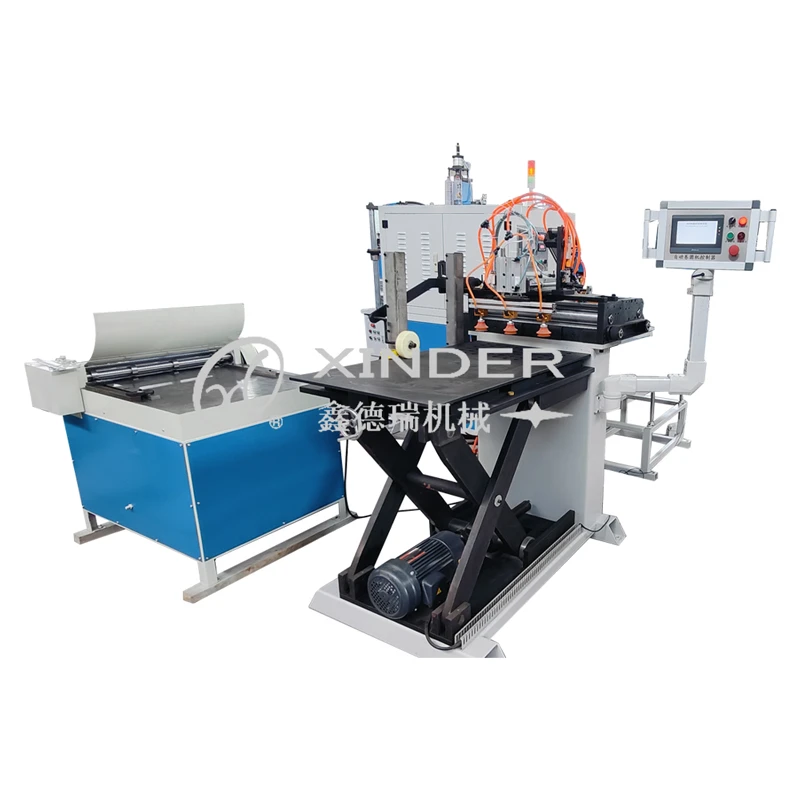
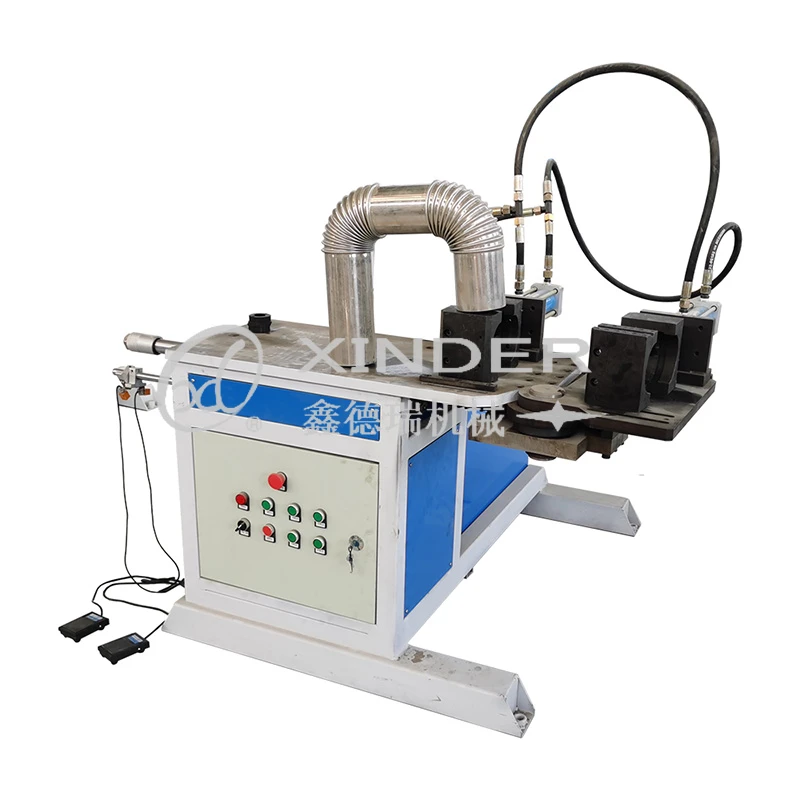
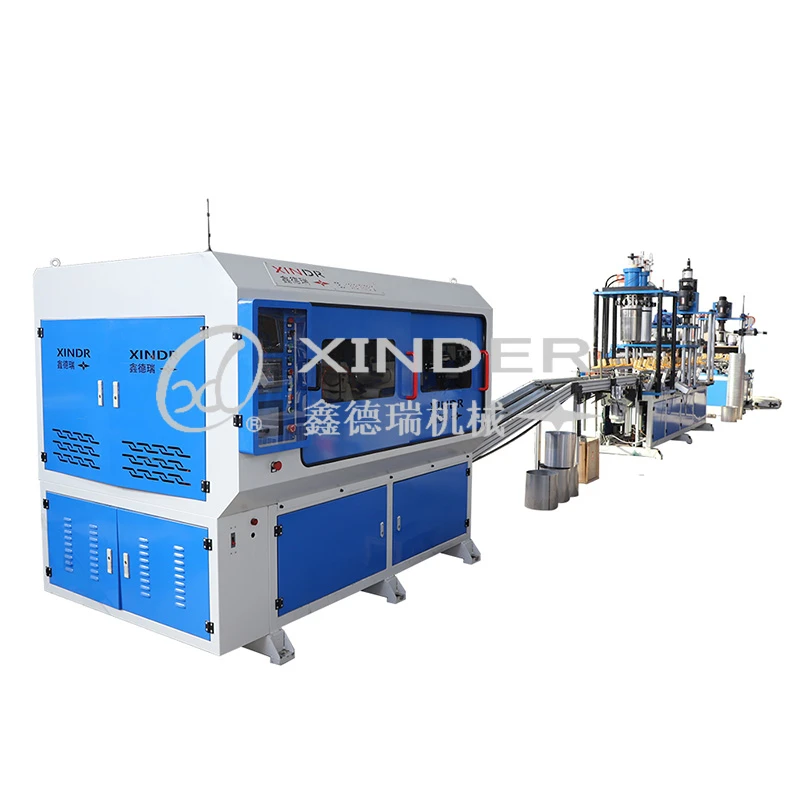
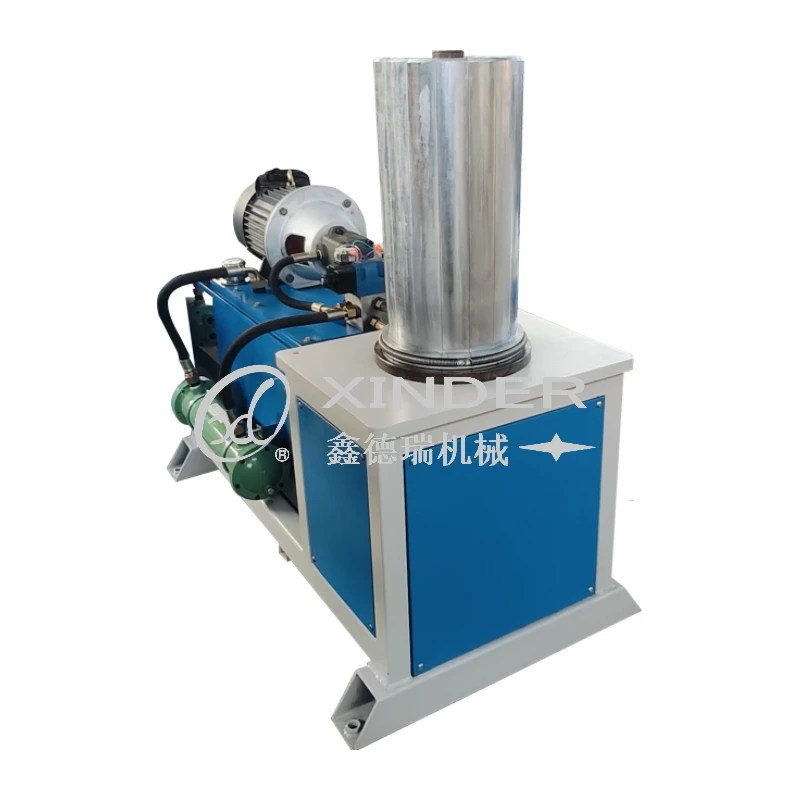
Bellows Ring Seam Welding Machine
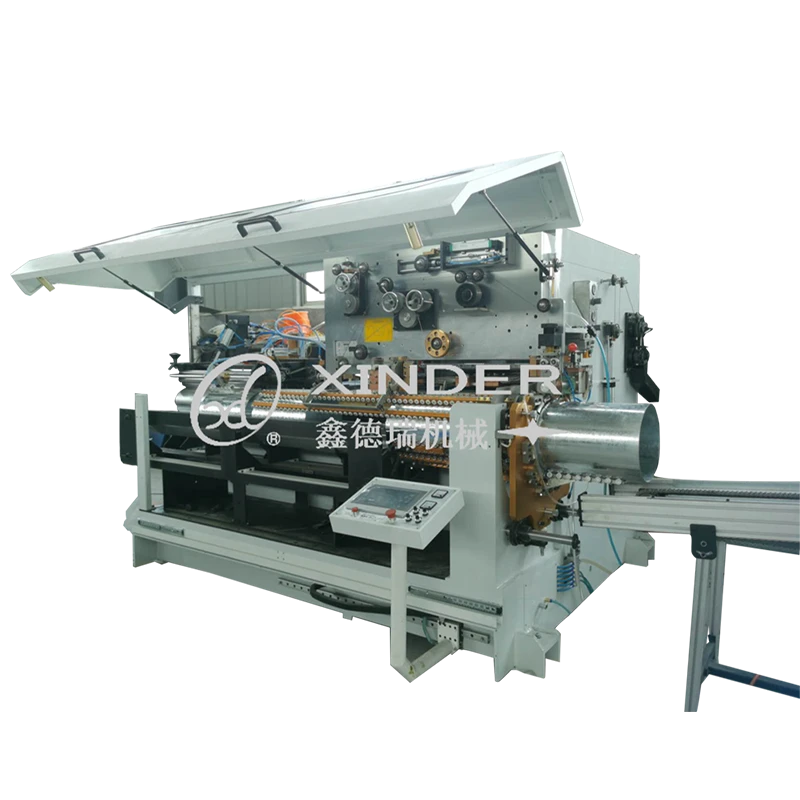
Galvanized Duct Welding Machine
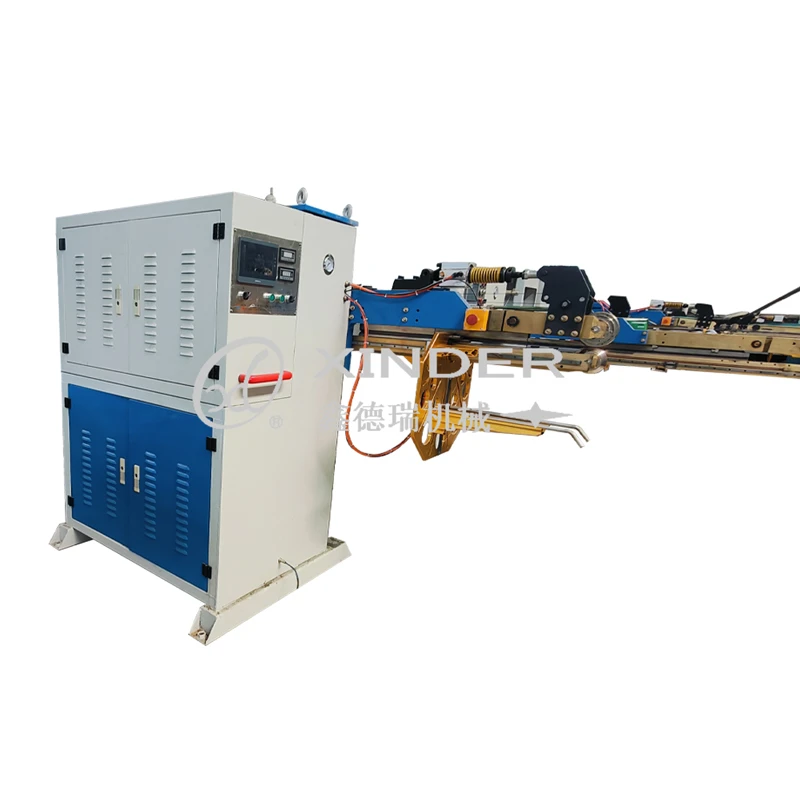
Heartwarming Pot Seam Welding Machine
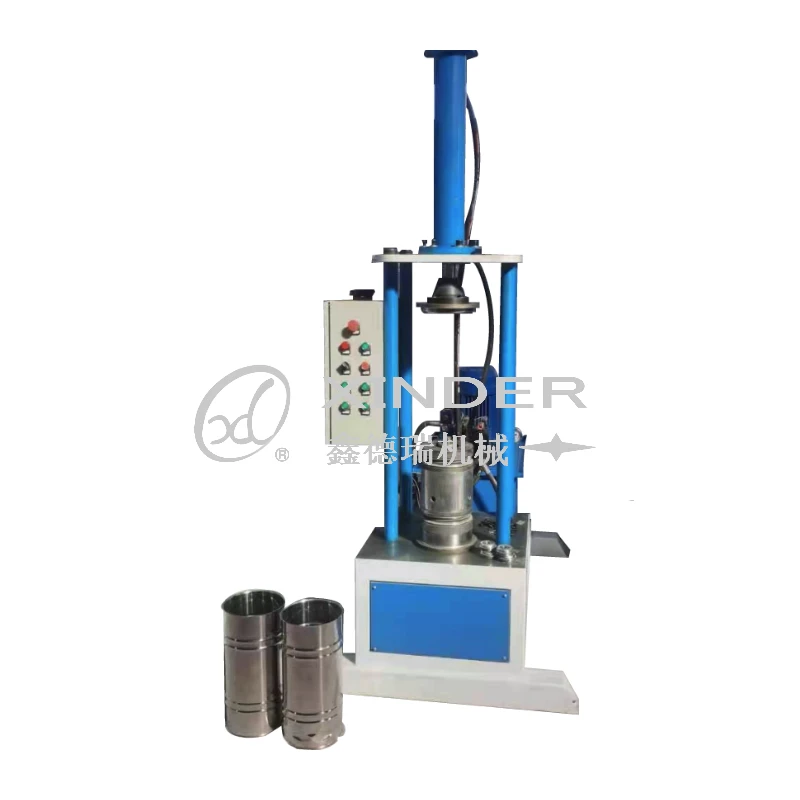
Stretching And Flanging Integrated Machine
Technical Support
Common Inquiries Regarding Metal Container Equipment
Detailed answers to help you choose the right machinery for your production needs.
What is the primary difference between resistance welding and laser welding for metal pipes?
Resistance welding uses electrical current and pressure to fuse materials, making it ideal for thicker sheets and larger barrel seams. Laser welding uses a concentrated light beam to achieve a much narrower, high-precision weld with minimal heat-affected zones. For high-volume industrial barrels, resistance welding is typically more cost-effective, while laser welding is preferred for precision automotive components and thin-walled pipes where aesthetic and dimensional accuracy are paramount.
How do I determine the right barrel production line capacity for my Cambodian facility?
Capacity planning should be based on your peak daily demand, material thickness, and the variety of barrel sizes (e.g., 10L vs 200L). We recommend evaluating your current manual throughput and projecting growth over three years. Our team can analyze your target output per hour and suggest a configuration—either a standalone seam welding machine for low-volume custom work or a fully integrated line for high-volume industrial packaging—to ensure optimal ROI without over-investing in unused capacity.
Can your equipment handle galvanized steel and stainless steel in the same production cycle?
Yes, our resistance welding equipment is designed to process various black metal sheets including carbon steel, low-carbon steel, stainless steel, and galvanized sheets. However, different materials require different current and pressure settings. Our machines feature adjustable controllers that allow operators to switch parameters quickly between materials. For facilities running multiple material types, we recommend using our pre-set parameter modules to ensure consistent weld quality and reduce setup time between batches.
What are the maintenance requirements for a seam welding machine in a high-humidity environment?
In humid climates like Cambodia, the primary focus should be on protecting electrical components and maintaining the weld electrodes. Regular cleaning of the electrode tips to prevent oxidation is critical for weld stability. We recommend using moisture-resistant cabinets for control systems and implementing a weekly lubrication schedule for all moving mechanical parts. Our equipment is built with industrial-grade materials to resist corrosion, but consistent preventive maintenance is essential to avoid unplanned downtime.
Do you provide custom designs for irregular barrel shapes not found in standard catalogs?
Absolutely. We specialize in non-standard equipment manufacturing. If you provide a technical drawing, a physical sample, or even a detailed conceptual idea, our engineering team can design a tailored barrel making machine. This includes customizing the forming rollers and welding head paths to accommodate square, oval, or other irregular geometries. This custom approach ensures that your production line is optimized for your specific product, reducing material waste and improving assembly efficiency.
What is the best way to start a partnership for equipment procurement in Cambodia?
The first step is to define your technical requirements, including the materials to be welded, desired container dimensions, and targeted daily volume. You can then contact us via our website to share these specifications. We will provide a preliminary technical proposal and design consultation. Once the requirements are aligned, we can move toward a detailed quotation and shipping plan. We encourage potential clients to provide samples of their current products to ensure the proposed machinery meets their exact quality standards.
Ready to Scale
Upgrade Your Metal Container Production in Cambodia
Whether you are expanding a chemical packaging plant or starting a precision automotive parts line, Hebei Xindrui Machinery provides the technical expertise and durable equipment needed for success. Contact us today to discuss your specific drawings and operational goals, and let us help you implement a high-efficiency production system tailored to the Cambodian market.
Discuss Your Requirements