


Regional Insight
Metal Container Market in Qatar
Analyzing the intersection of industrial growth and packaging requirements in the Middle East.
The industrial landscape in Qatar is heavily influenced by its robust oil, gas, and chemical sectors. This economic foundation creates a sustained demand for high-quality metal containers, ranging from 10L paint barrels to 200L chemical drums. Local manufacturers must adhere to strict safety standards to prevent hazardous material leaks, making the precision of the welding process a non-negotiable requirement for market viability. The growth of local manufacturing infrastructure under national development plans further accelerates the need for professional-grade equipment.
Market trends show a decisive shift toward automation and specialized production. There is an increasing demand for laser welding pipe and advanced resistance welding systems that can handle irregular shapes and diverse materials like stainless steel. As companies seek to optimize operating costs, the transition from manual welding to fully integrated production lines has become a primary driver. Efficiency is no longer just about speed, but about reducing waste and ensuring absolute structural integrity.
The primary opportunity in the Qatari market lies in the diversification of metal packaging, including military-grade barrels and specialized fuel tanks for agricultural vehicles. However, constraints such as the extreme climate require equipment that is durable and easy to maintain. The outlook remains positive, with a clear trajectory toward higher automation and customized machinery that can adapt to the specific technical drawings and operational needs of Middle Eastern enterprises.
Industry Progression
The Evolution of Container Welding
Tracing the journey from basic manual fabrication to intelligent automated systems.
Early Adoption
Manual Fabrication
Initial production relied on manual welding and basic forming tools. This phase was characterized by high labor intensity, slow output, and inconsistent seam quality across batches.
Recent Development
Semi-Automation
Introduction of specialized resistance welding machines. Operators began using guided seam welding, which improved speed and structural reliability while still requiring significant human oversight.
Current Phase
Intelligent Integration
Modern plants now employ fully automated production lines with PLC controls and laser precision, enabling high-volume output of complex, leak-proof metal containers.
Shift to Non-Standard Equipment
Industries are moving away from "one-size-fits-all" machinery. The demand for tailored equipment based on specific technical drawings allows companies to produce unique container shapes, such as irregular square barrels or specialized filters, providing a competitive edge in niche markets.
Materials Diversification
Beyond standard carbon steel, there is a surge in the use of galvanized and stainless steel for corrosion resistance. This requires welding equipment capable of adjusting parameters in real-time to maintain weld strength without compromising the material's protective coating.
Energy-Efficient Welding
Modern systems are prioritizing power management. By optimizing the pulse and current during the resistance welding process, manufacturers can reduce energy consumption while achieving deeper and more stable penetration in the metal sheets.
Future Outlook
Emerging Trends in Metal Packaging
How technological advancements are redefining the standards of container manufacturing.
High-Speed Automated Seaming
Integration of high-speed actuators and synchronized feeding systems to drastically reduce the cycle time of resistance welding equipment, enabling mass production of 10L-200L barrels.
Hybrid Welding Technologies
Combining laser and resistance welding to achieve the speed of the former and the structural depth of the latter, particularly for complex irregular containers and thin-walled housings.
Smart Diagnostics & Monitoring
Implementing real-time sensors to monitor weld temperature and current stability, allowing for immediate detection of faults and reducing the rate of defective containers.
Sustainable Material Processing
Developing equipment that minimizes material waste during the blanking and forming stages of the barrel production line to support green manufacturing initiatives.
The convergence of IoT and metal fabrication is enabling a new era of "Connected Factories." In the context of metal container production, this means that machines can now communicate their operational status and maintenance needs to a central hub, drastically reducing unplanned downtime. This is particularly valuable for operators in Qatar who need to maintain a steady supply of packaging for the chemical industry, where any disruption in production can lead to significant supply chain delays.
Furthermore, the push toward higher precision in welding is driven by the evolution of the stored media themselves. With more volatile or corrosive chemicals being transported, the requirement for zero-defect seams has increased. This necessitates the adoption of pulse welding and precision-controlled resistance systems that ensure a consistent weld nugget size, regardless of slight variations in sheet thickness or material grade.
Practical Applications
Industrial Deployment Scenarios in Qatar
How our welding and production solutions solve real-world manufacturing challenges.
01
Chemical Grade Barrel Production for Industrial Zones
In Qatar's industrial hubs, manufacturers require 200L drums that can hold corrosive chemicals without leaking. By deploying a high-precision seam welding machine, the plant achieves a continuous, deep-penetration weld that withstands high internal pressure, ensuring safety and compliance with international transport regulations.
02
Automotive Fuel Tank Fabrication for Local Fleets
Producing fuel tanks for agricultural and industrial vehicles requires welding irregular shapes with absolute reliability. Our resistance welding equipment allows for intermittent and pulse welding on non-standard workpieces, preventing fuel leaks and ensuring structural integrity under the vibration and heat of the Qatari desert.
03
High-Volume Paint and Lubricant Container Lines
For manufacturers producing 10L-20L paint barrels, speed is the primary KPI. An integrated barrel production line automates the process from sheet feeding to final seam welding, reducing the production cycle from minutes to seconds per unit while maintaining uniform quality.
04
Specialized Stainless Steel Soup and Food Barrels
The food processing sector requires sanitary, corrosion-resistant containers. Using our specialized stainless steel welding configurations, producers can create seamless soup barrels that avoid contaminants and resist oxidation, meeting strict health and hygiene standards for local catering supplies.
05
Industrial Fire Extinguisher Housing Production
Fire extinguisher boxes must withstand extreme pressure and environmental stress. Our precision welding systems ensure that the sealed thin-walled containers have no micro-pores, guaranteeing that the pressurized agent remains contained and the device remains functional during emergencies.
Deployment Evidence
Representative Use Cases
Insights into typical operational outcomes when implementing our machinery.
In a typical deployment for a chemical packaging plant, the transition to an automated seam welding system eliminated the common issue of pinhole leaks in 200L drums. The ability to weld carbon steel and stainless steel on the same line allowed the operator to diversify their product offering without investing in additional machinery, resulting in a more flexible production schedule.
For operators focusing on automotive components like fuel tanks, the use of pulse resistance welding proved critical in preventing thermal warping. By precisely controlling the heat input, the manufacturer could produce complex, irregular shapes that maintained strict dimensional tolerances, significantly reducing the time spent on manual correction and finishing.
Implementing a full barrel production line for a paint manufacturer transformed their output capacity. The integration of automated feeding and welding reduced the reliance on skilled manual labor, ensuring that every 10L barrel had an identical, high-strength seam, which drastically lowered the scrap rate and improved overall plant throughput.
Our Legacy
Hebei Xindrui Machinery Manufacturing
Over two decades of expertise in non-standard equipment and metal packaging solutions.
2000
Establishment of Xindrui Machinery Factory
The company began its journey in Cangzhou City, Hebei Province, establishing a foundation in non-standard equipment manufacturing. From the start, the focus was on developing professional research and development capabilities to solve complex mechanical challenges for industrial users.
2000 - 2020
Two Decades of Technical Evolution
Over twenty years, the company cultivated a specialized team capable of designing and manufacturing complex metal product lines. This period saw the development of specialized equipment for metal barrels, canning, and corrugated elbow production, solving technical problems for numerous medium and large enterprises.
Present
Global Expansion and Innovation
Today, Hebei Xindrui Machinery exports high-performance equipment to the Middle East, USA, Russia, and beyond. The company continues to adhere to a philosophy of seeking truth from facts and exploring innovation to provide tailored, exclusive design solutions for global customers.
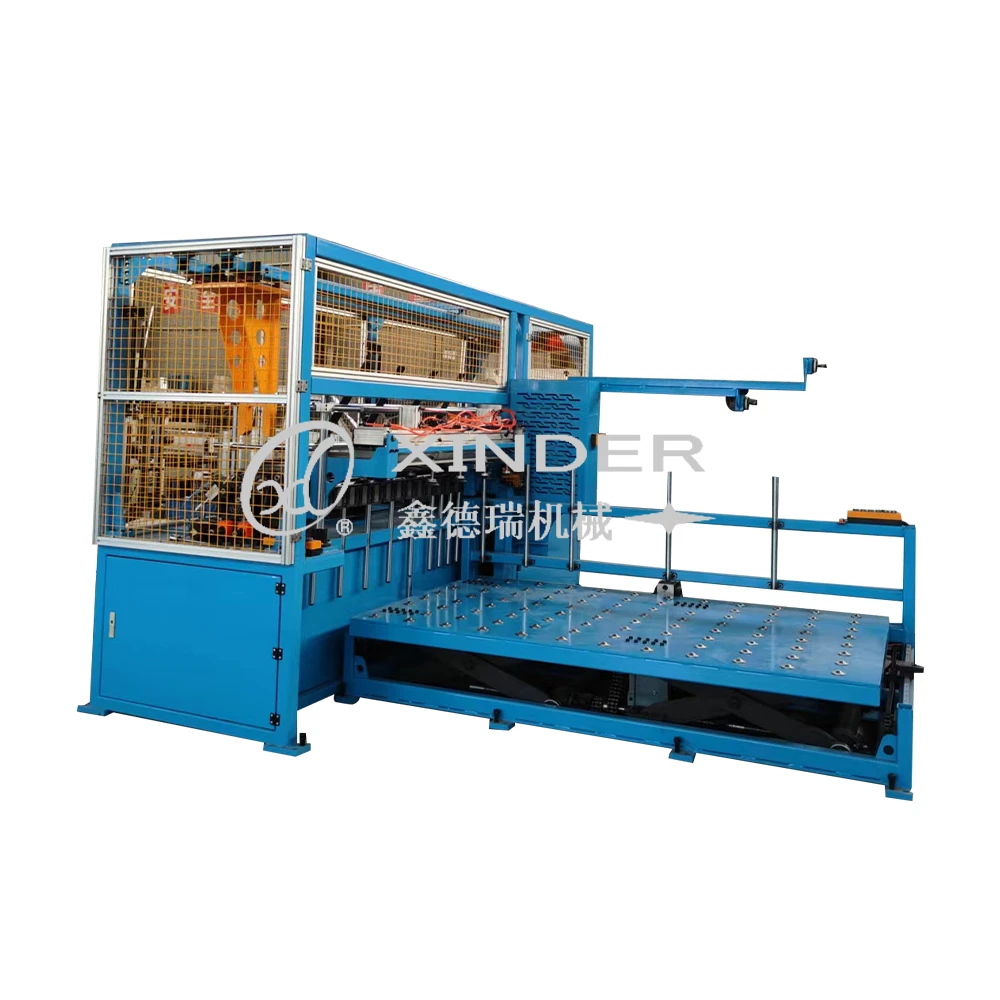
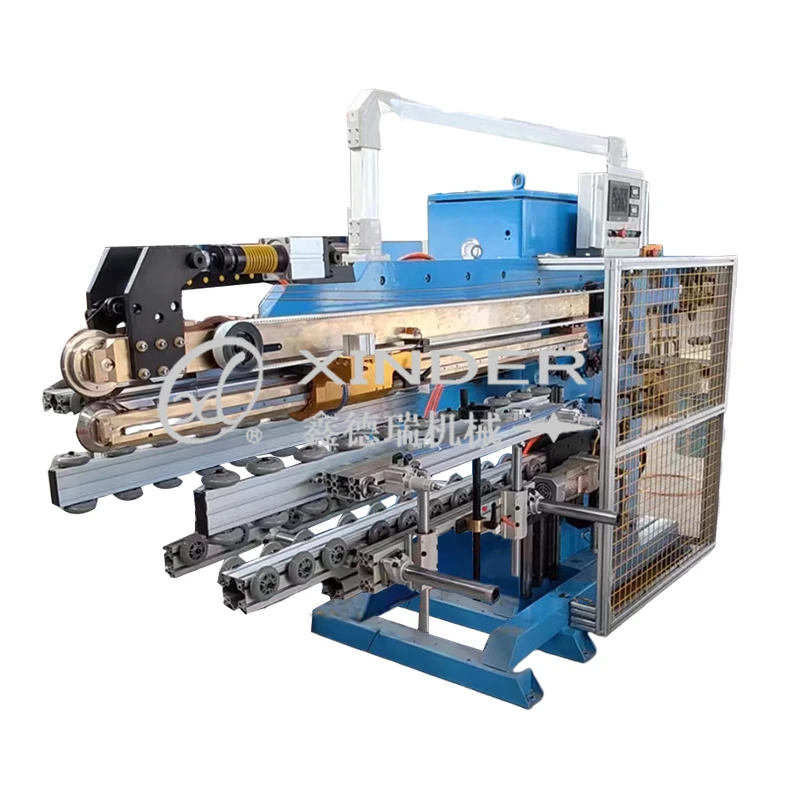
Export 100-200 Liter Large Steel Drums With Fully Automatic Welding Machine
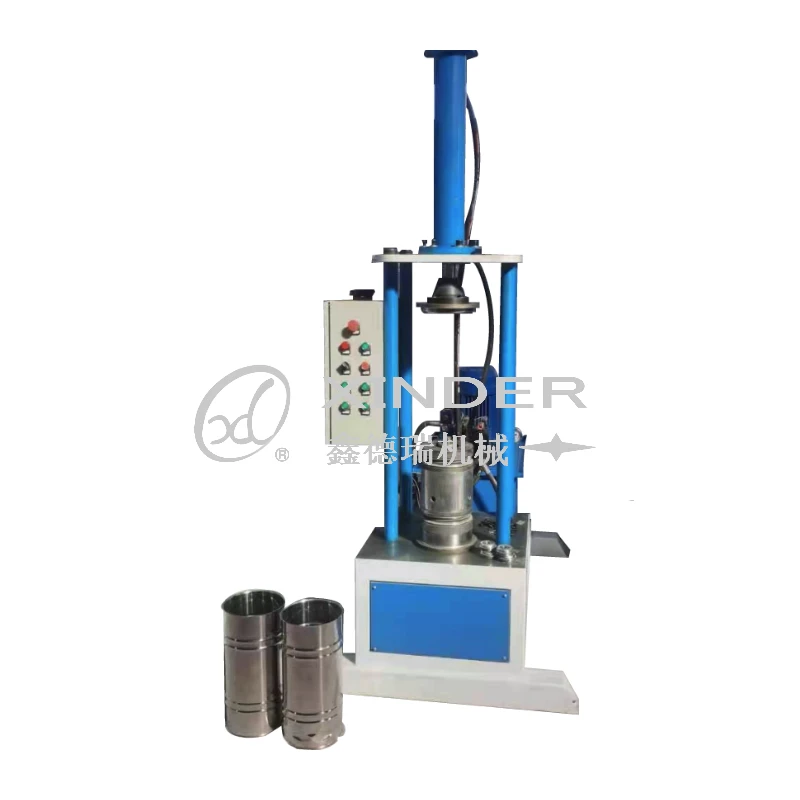
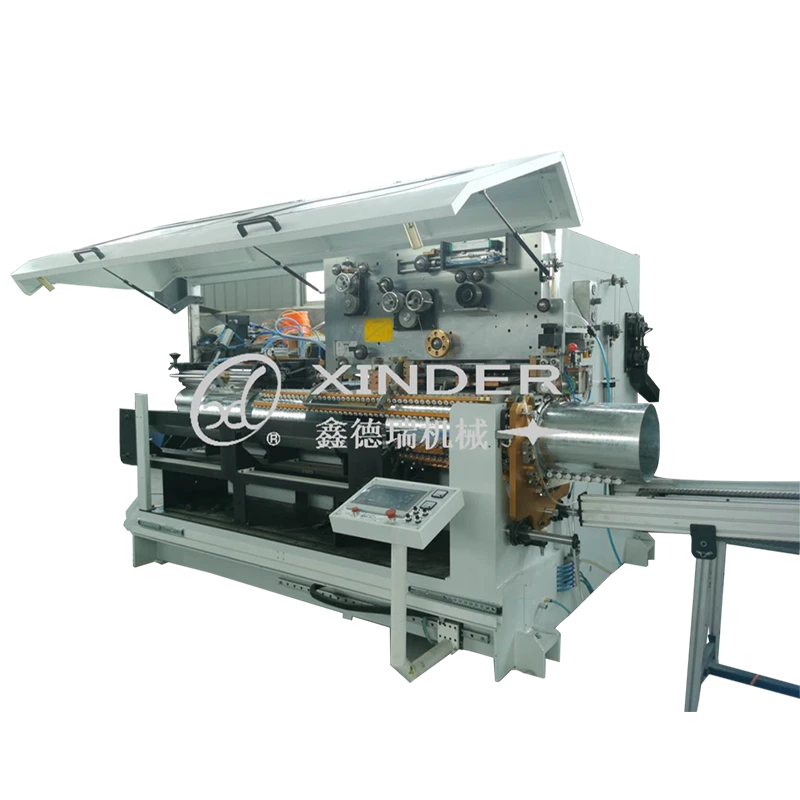
Stretching And Flanging Integrated Machine
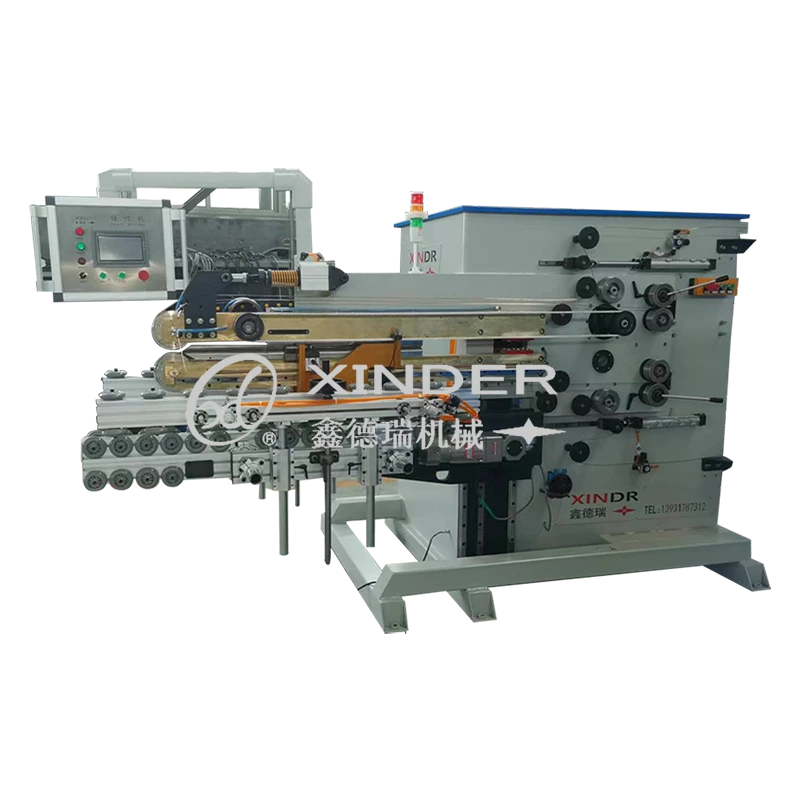
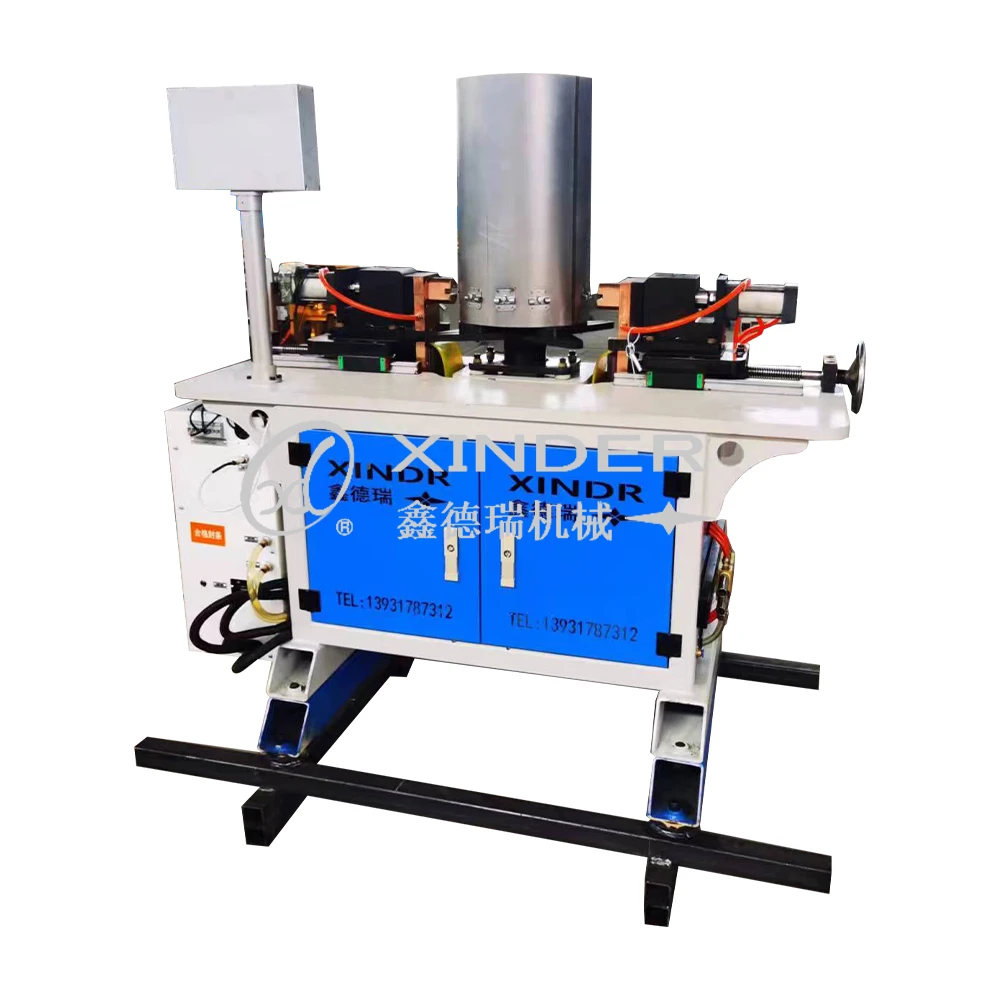
50-150l Steel Barrel Seam Welding Machine
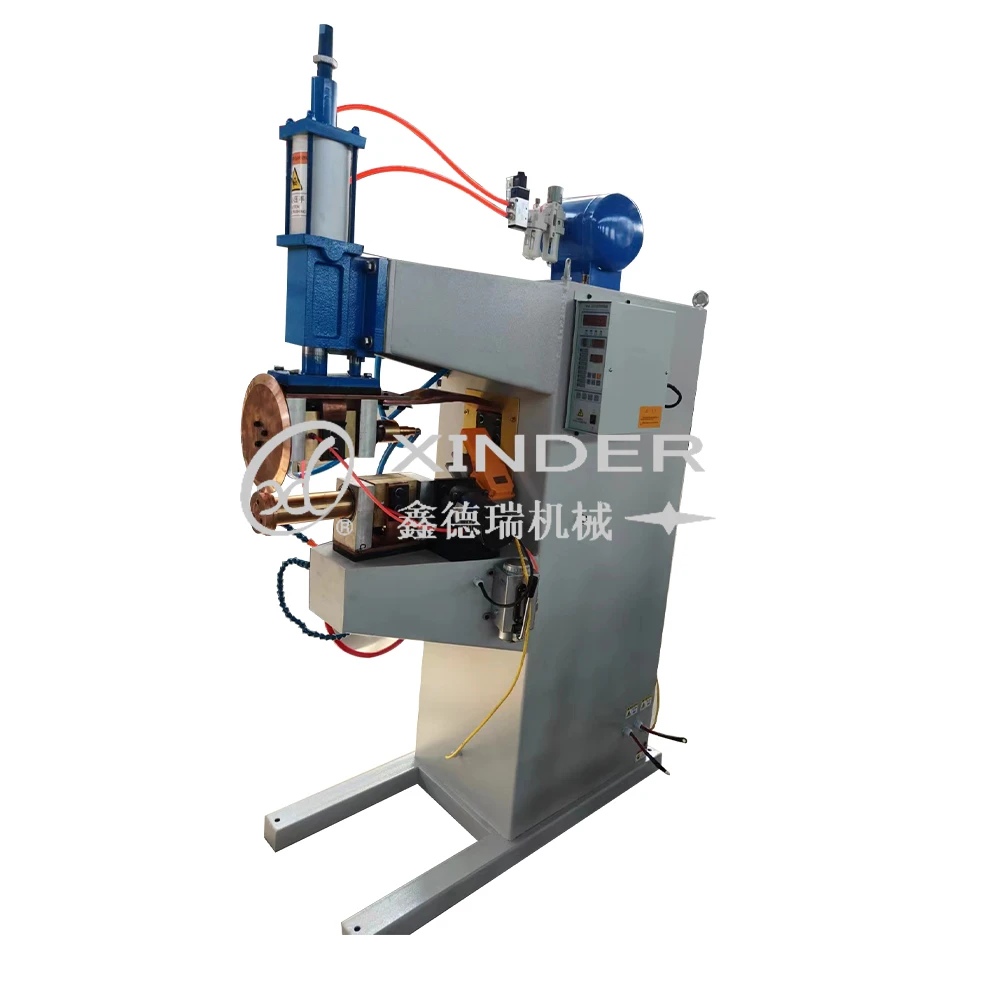
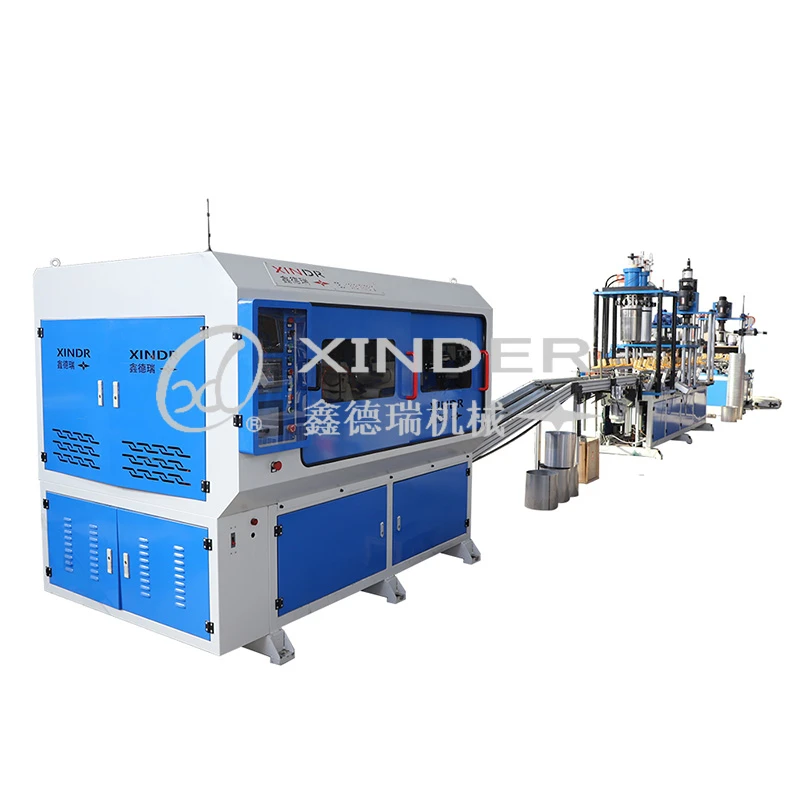
Pneumatic Rolling Welding Machine
Technical Guidance
Frequently Asked Questions
Expert answers to the most common queries regarding metal container production equipment.
What is the primary difference between continuous and pulse seam welding for metal barrels?
Continuous seam welding provides a steady current for high-speed, airtight seals ideal for standard cylinders. Pulse welding, however, delivers energy in bursts, which significantly reduces the heat-affected zone (HAZ). This is critical for thin-walled containers or irregular shapes where excessive heat would cause warping or distortion. Depending on the material thickness and the required precision, operators typically choose pulse welding for high-end specialized containers and continuous welding for mass-market industrial drums.
How do I determine the right barrel making machine for a 10L to 200L product range?
The selection depends on the required throughput, material gauge, and shape diversity. For a wide range (10L-200L), a modular production line is recommended. You should evaluate the maximum sheet thickness your current materials require and the desired output per hour. Our systems allow for adjustable tooling and programmable parameters, meaning one line can be configured for different capacities. We recommend providing technical drawings or samples to ensure the customized design meets your specific volume and structural requirements.
Can your resistance welding equipment handle both stainless steel and galvanized sheets?
Yes, our equipment is designed for versatility across black metal sheets and wires, including carbon steel, low-carbon steel, stainless steel, and galvanized sheets. The key is the adjustable current and pressure control, which allows the operator to optimize the weld for the specific electrical resistance of the material. For galvanized sheets, specific parameters are used to ensure a strong bond without burning through the zinc coating, maintaining the container's corrosion resistance.
What are the maintenance requirements for a fully automated barrel production line in Qatar's environment?
Due to the dusty and hot conditions in Qatar, regular cleaning of the welding electrodes and lubrication of moving mechanical parts are essential. We recommend a weekly inspection of the cooling systems to prevent overheating of the transformers. Additionally, periodic calibration of the PLC and pressure sensors ensures that the weld quality remains consistent. Our equipment is built with industrial-grade components to minimize wear, but a structured preventative maintenance schedule is the best way to avoid unplanned downtime.
How does customization based on customer drawings improve production efficiency?
Standard machines often require expensive secondary operations to achieve non-standard shapes or specific tolerances. By designing the equipment based on your actual drawings or samples, we integrate these requirements directly into the fabrication process. This eliminates the need for post-weld correction, reduces material waste, and ensures a perfect fit for your specific application—whether it's a car muffler or a specialized chemical tank—resulting in a leaner and more cost-effective workflow.
What is the first step to transitioning from manual welding to an automated system?
The first step is a comprehensive audit of your current product mix and volume goals. Identify the most time-consuming part of your process—usually the seam welding or the forming stage. Once these bottlenecks are identified, you should define your technical requirements (material, size, and tolerance). The next step is to consult with an engineering team to develop a targeted design. Starting with a semi-automated seam welding machine is often the most cost-effective way to see immediate quality gains before moving to a fully integrated line.
Ready to Upgrade
Optimize Your Metal Container Production in Qatar
Whether you are scaling up your barrel production or requiring specialized non-standard welding equipment, Hebei Xindrui Machinery provides the engineering expertise to ensure zero-leakage and maximum efficiency. Our team is ready to transform your technical drawings into a high-performance production reality. Contact us today to discuss your specific requirements and receive a tailored equipment solution.
Discuss Your Requirements