


Regional Analysis
The Landscape of Metal Container Manufacturing in Sri Lanka
Analyzing the shift toward automated packaging solutions in the South Asian industrial corridor.
Sri Lanka's industrial sector is characterized by a strong reliance on metal packaging for the chemical, agricultural, and paint industries. The market currently operates with a mix of semi-automated and legacy manual systems. Due to the geographical concentration of manufacturing hubs, there is a pressing need for compact yet high-efficiency production lines that can handle various material grades, from galvanized sheets to stainless steel, ensuring that local products can compete in both domestic and export markets.
Current market trends indicate a rapid shift toward precision automation. Manufacturers are increasingly moving away from general-purpose tools toward specialized resistance welding equipment to eliminate human error and reduce waste. The demand for higher-grade sealing in military barrels and chemical containers is driving the adoption of pulse seam welding, as companies seek to comply with stricter safety regulations and international shipping standards for hazardous materials.
The primary opportunity lies in the diversification of container shapes and sizes. While standard 200L drums are common, there is a growing niche for smaller, specialized containers (10L-50L) for premium industrial lubricants and specialized chemicals. The main constraint remains the initial investment cost; however, the long-term ROI is being realized through reduced energy consumption and significantly lower scrap rates, making high-end machinery a strategic necessity for regional growth.
Technology Path
The Evolution of Industrial Metal Welding
From basic fusion to intelligent, automated fabrication systems.
Early Adoption
Manual Fusion Era
Fabrication relied on manual spot welding and basic seam joining. This phase was marked by high labor intensity and frequent structural failures in large-scale metal containers.
Developmental Phase
Semi-Automated Systems
Introduction of basic seam welding machines allowed for faster production. Quality improved, but flexibility remained low, requiring separate machines for different barrel sizes.
Current Phase
Integrated Fabrication
Modern lines integrate laser and resistance welding with CNC controls. This enables the production of irregular shapes and ensures a 100% leak-proof seal for hazardous materials.
Shift to Non-Standard Customization
The industry has moved from mass-producing generic drums to providing tailored solutions. Modern equipment now allows for rapid re-tooling to switch between round and square barrels without extensive downtime.
Material Science Integration
Welding technology has evolved to handle a wider array of metals. New equipment can now seamlessly join galvanized, low-carbon, and stainless steel with precise heat control to prevent oxidation.
Energy-Efficient Fabrication
The focus has shifted toward reducing the carbon footprint of manufacturing. Pulse welding technology has replaced continuous high-current arcs, significantly cutting electricity consumption per unit.
Future Outlook
Key Trends Shaping the Metal Container Industry
How emerging technologies are redefining production efficiency and quality standards.
Adoption of laser welding pipe Technology
Laser systems are being integrated into pipe and container lines for ultra-narrow heat-affected zones, reducing material warping and enhancing the aesthetic finish of stainless steel barrels.
Intelligent Process Monitoring
Integration of real-time sensors to monitor welding current and pressure. This allows for automatic adjustment during the production run, ensuring zero-defect output for high-risk containers.
Modular Production Layouts
The shift toward modular equipment allows plants to expand their capacity by adding specialized units (like corrugated elbow equipment) without redesigning the entire factory floor.
Sustainability-Driven Materials
Increased use of high-strength, thin-walled alloys to reduce metal weight while maintaining pressure resistance. This requires more precise welding equipment to avoid burn-through.
The convergence of these trends suggests a move toward "Smart Fabrication." In Sri Lanka, this means the adoption of systems that not only weld but also analyze the weld quality in real-time. By reducing the reliance on manual inspection, manufacturers can accelerate their lead times and significantly reduce the cost per unit. This is particularly vital for the growth of the local automotive component and solar water heater sectors, where precision is non-negotiable.
Furthermore, the integration of non-standard design capabilities allows manufacturers to respond quickly to market shifts. Instead of waiting for generic machinery updates, companies utilizing tailored engineering solutions can implement new container shapes in weeks rather than months. This agility is becoming a primary competitive advantage in the South Asian metal products market, where demand for specialized industrial packaging is rapidly evolving.
Application Scenarios
Practical Implementations in Sri Lankan Industry
How our equipment solves real-world production challenges across various sectors.
01
Chemical Packaging Plant in Colombo Industrial Zone
A manufacturer producing high-corrosion chemical drums faced frequent seam failures. By implementing a specialized seam welding machine with pulse control, they achieved consistent penetration on galvanized sheets, eliminating leakage and meeting international safety certifications for hazardous material transport.
02
Automotive Exhaust Component Fabrication
A local workshop specializing in car mufflers and filters needed to weld irregular thin-walled containers. Using our flexible resistance welding equipment, they were able to perform precise intermittent seam welding on non-standard workpieces, reducing deformation and improving the structural durability of exhaust systems.
03
Solar Water Heater Tank Production
A renewable energy equipment maker struggled with leakage in solar water tanks. The deployment of a complete barrel production line ensured uniform welding across the entire tank body, significantly increasing the product lifespan and reducing warranty claims from end-users in coastal regions.
04
Industrial Paint Barrel Manufacturing
A high-volume plant producing 10L-20L paint barrels needed to increase throughput. By replacing manual welding with an automated barrel making machine, they transitioned from batch processing to a continuous flow, doubling their daily output while maintaining strict seal quality.
05
Agricultural Fuel Tank Fabrication
A manufacturer of agricultural vehicle fuel tanks required welding for irregular shapes and mixed materials. Our customized design service provided a targeted welding solution that handled various thicknesses of carbon steel, ensuring fuel-tight containers for rugged farm use.
Industry Validation
Representative Deployment Outcomes
Insights into how industrial operators utilize our machinery to achieve production goals.
The transition to an automated barrel production line has fundamentally changed our capacity. The ability to handle everything from 10L to 200L containers on a single integrated system has eliminated previous bottlenecks and significantly reduced our per-unit labor cost.
Achieving a 100% leak-proof seal on military-grade chemical barrels was our biggest challenge. The precision offered by the pulse seam welding technology ensured that every unit passed pressure testing, which is critical for our compliance with safety standards.
The ability to provide targeted professional design based on our specific drawings allowed us to produce irregular fuel tanks that were previously impossible to weld. The stability of the resistance welding equipment has drastically reduced our material waste.
Our Legacy
Hebei Xindrui Machinery Manufacturing
Two decades of excellence in non-standard equipment manufacturing and precision welding.
2000
Foundation of Xindrui Machinery Factory
The company began as a focused machinery factory, building a strong industrial foundation in Northern China. Early efforts focused on developing reliable metal forming tools and basic welding equipment for local industries.
2010-2020
Expansion into Specialized Production Lines
Over two decades, the company evolved into a professional R&D team specializing in non-standard equipment. We expanded our portfolio to include complete barrel production lines and corrugated elbow equipment.
Present
Global Export and Technical Innovation
Hebei Xindrui now exports high-performance welding systems to the Middle East, USA, Russia, and Southeast Asia. We continue to innovate in resistance welding and custom design solutions for global metal packaging industries.
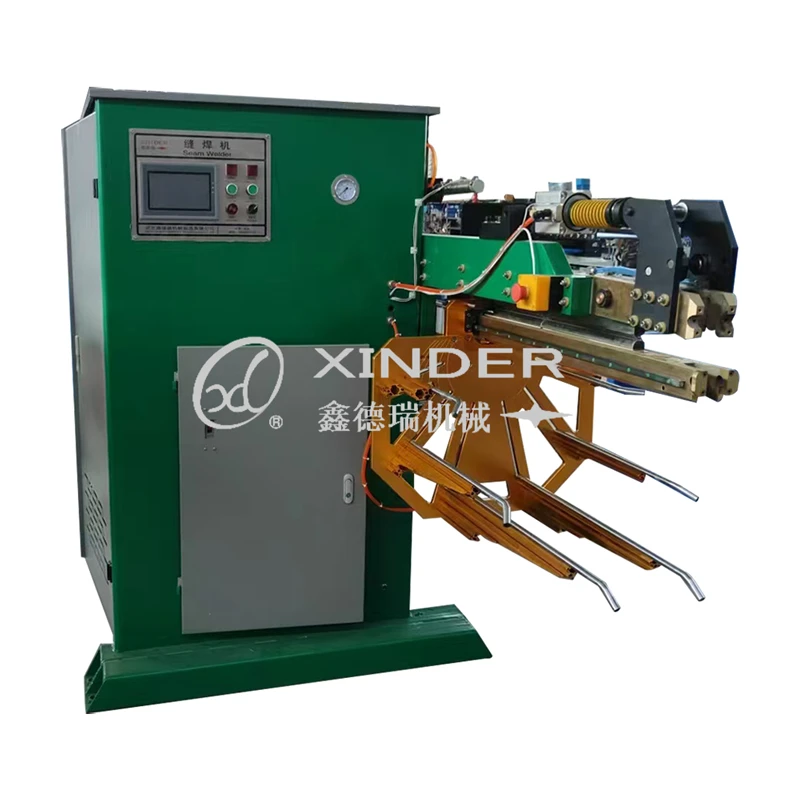
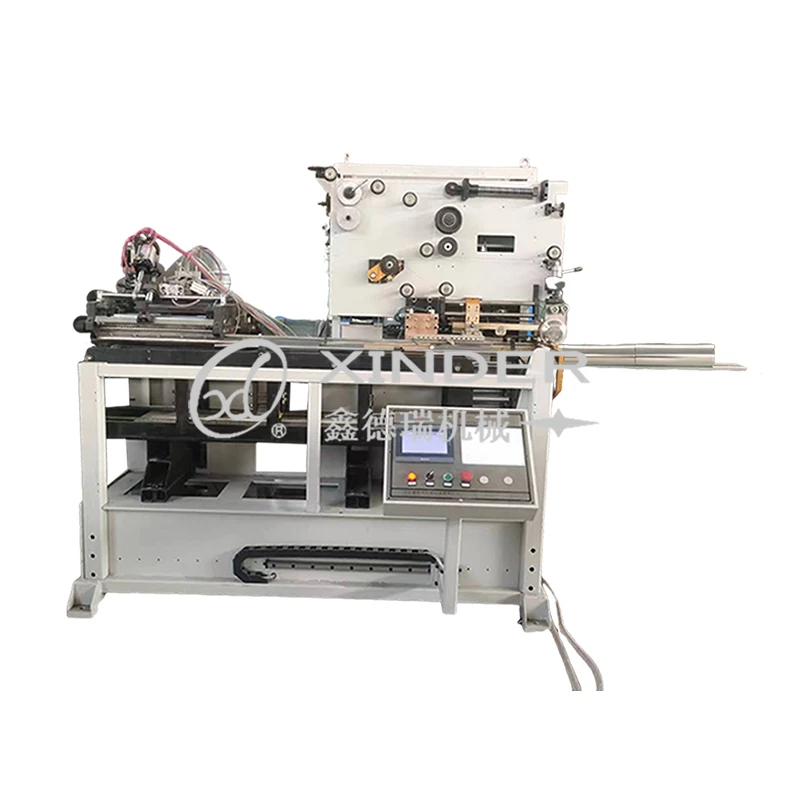
Bellows Ring Seam Welding Machine
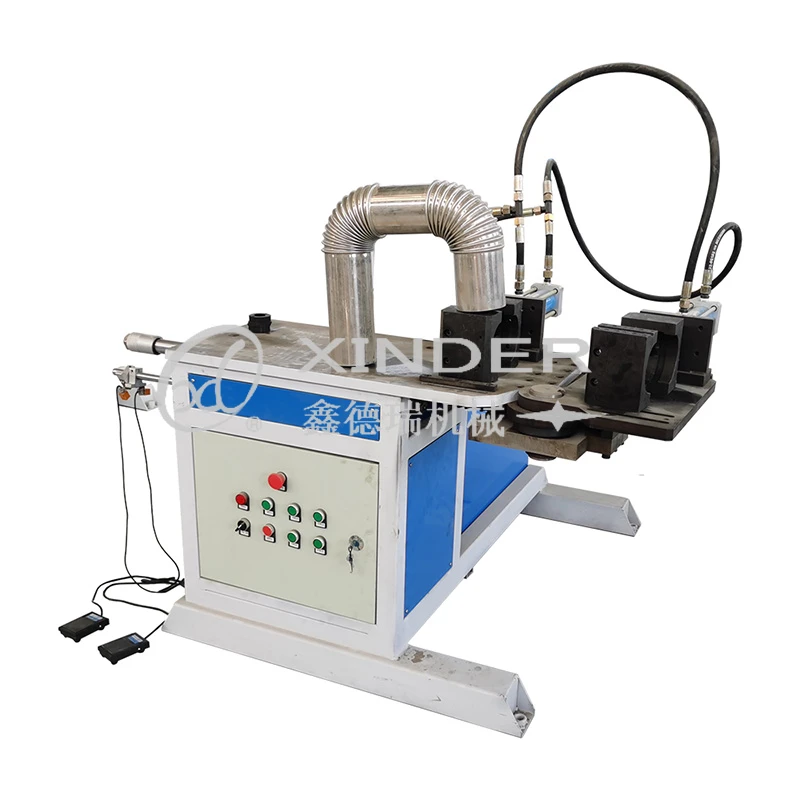
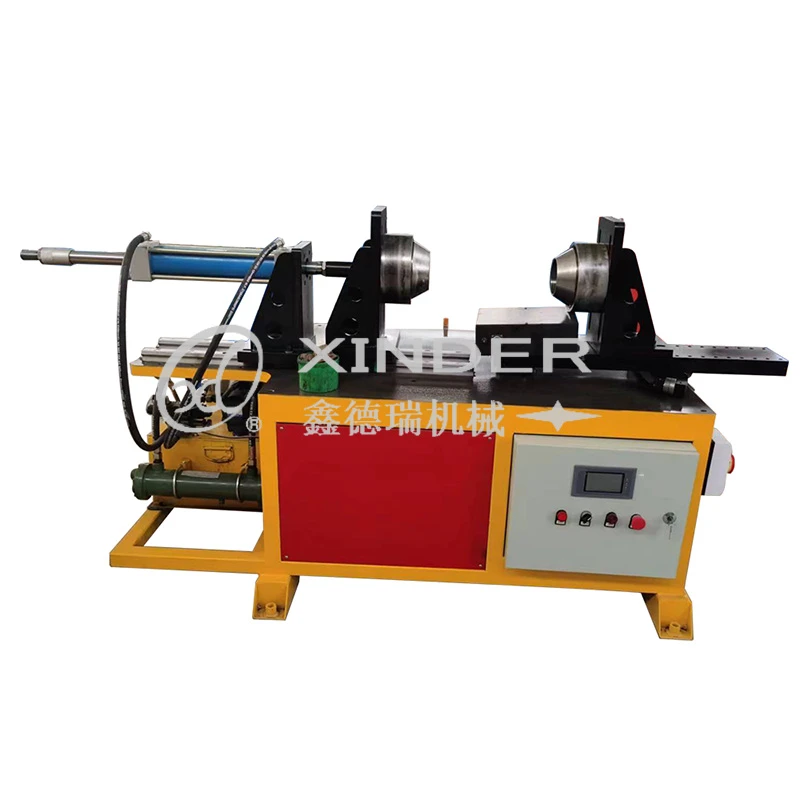
Irregular Bending Machine
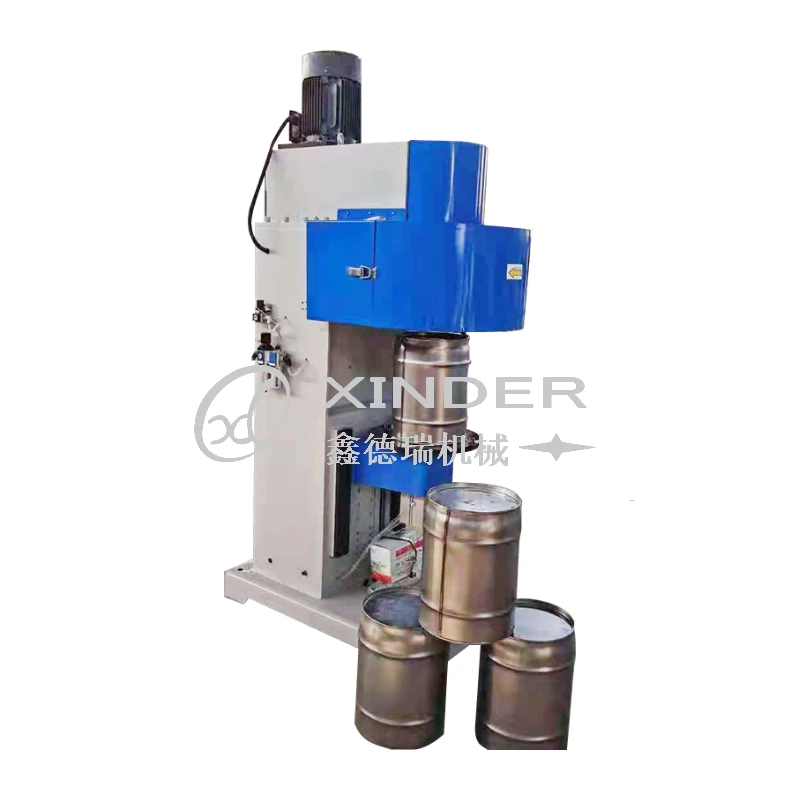
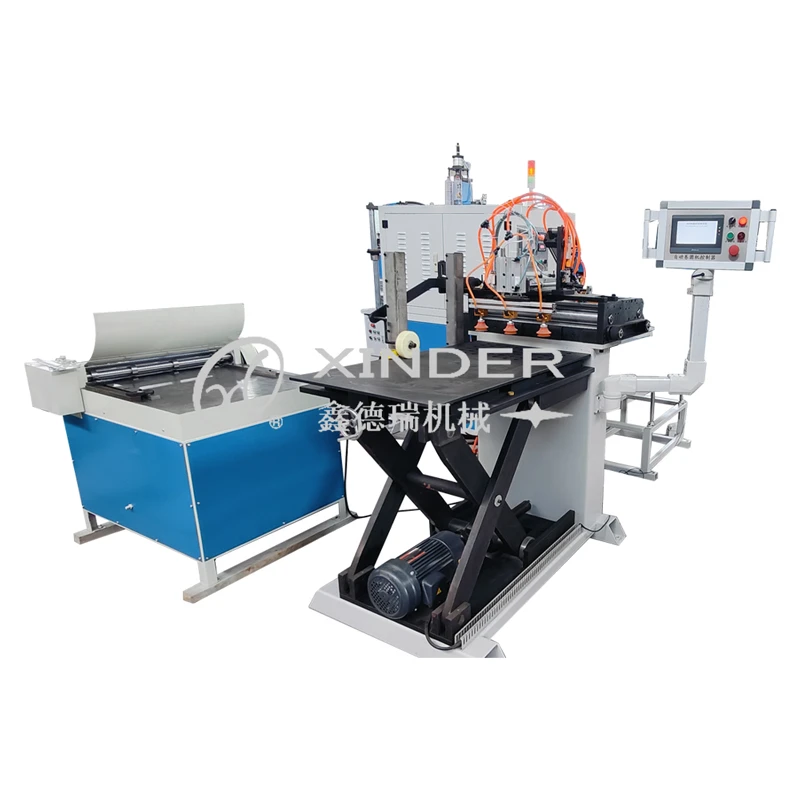
Hydraulic four-wheel sealing machine
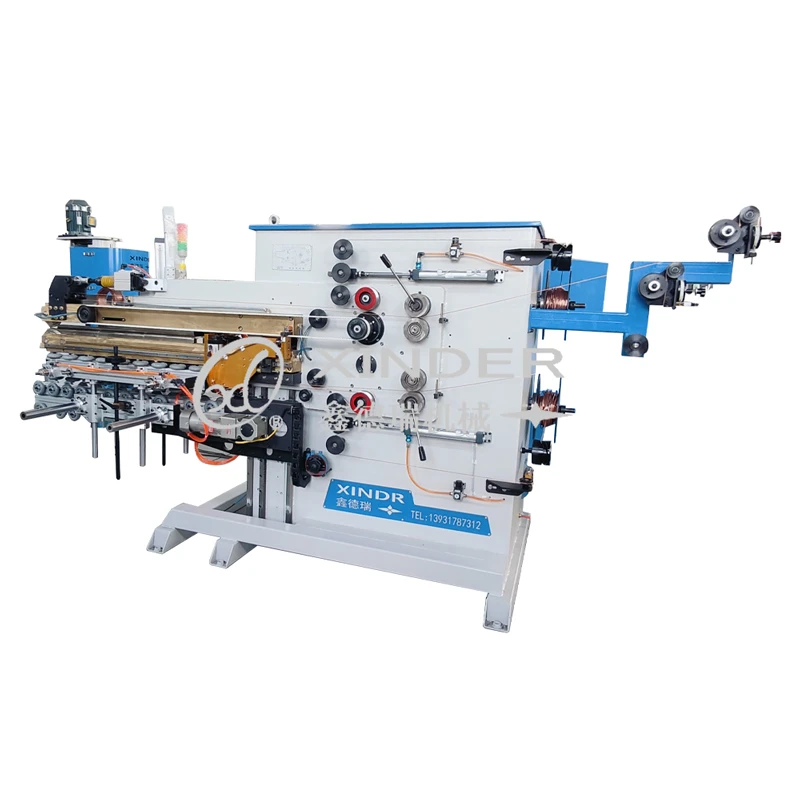
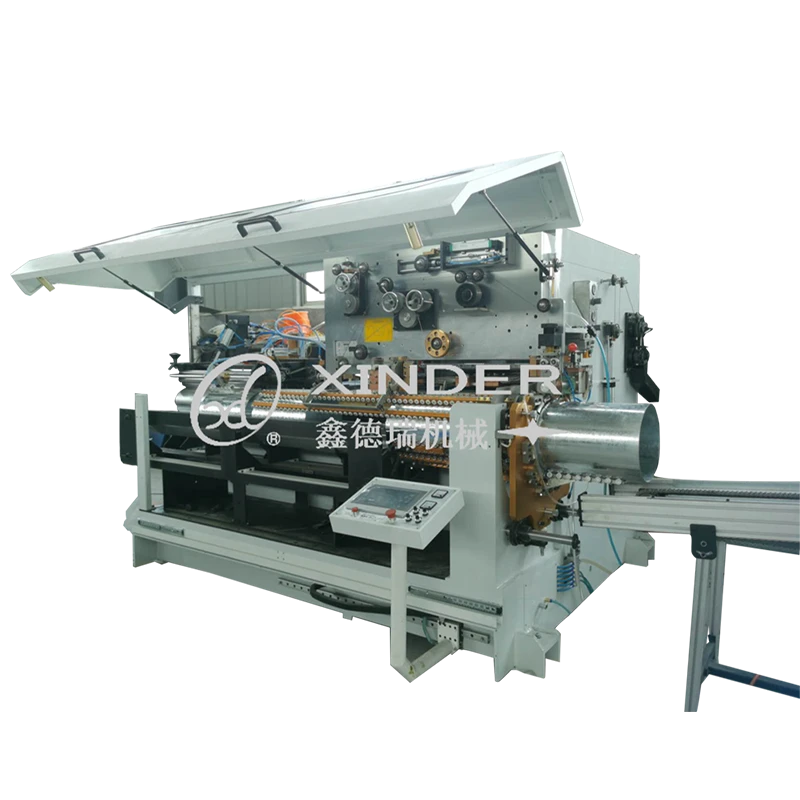
Steel Drum Seam Welding Machine
Technical FAQ
Common Questions About Metal Container Production
Expert answers to help you select the right welding and production equipment.
What is the difference between continuous and pulse seam welding for metal barrels?
Continuous welding provides a steady arc, ideal for thick-walled containers where deep penetration is required. Pulse welding, however, cycles the current to manage heat input, which is critical for thin-walled stainless steel or galvanized sheets to prevent warping and burn-through. For high-precision chemical barrels, pulse welding is typically recommended to ensure a smoother, more consistent seal without compromising material integrity.
How do I determine the right capacity for a barrel production line?
Capacity selection depends on your target daily output and product variety. You must evaluate the range of sizes (e.g., 10L to 200L) and the material types you intend to process. A fully integrated line is best for high-volume, single-size production, while modular resistance welding equipment is better for shops that produce irregular shapes or a wide variety of small-batch containers. We recommend analyzing your peak demand and scrap rate to size the equipment correctly.
Can your equipment handle non-standard or irregular barrel shapes in Sri Lanka?
Yes, we specialize in non-standard equipment manufacturing. We provide targeted professional design and processing based on customer drawings or samples. Whether you need square barrels, irregular fuel tanks, or specialized industrial pots, our engineering team creates tailored jigs and welding paths to ensure the machinery fits your exact specifications, ensuring high quality regardless of the container's geometry.
What materials are compatible with your resistance welding equipment?
Our systems are designed for a wide range of black metals. This includes carbon steel, low-carbon steel, stainless steel, and galvanized sheets. The equipment's versatility allows it to weld everything from fine metal wire mesh and cabinets to sealed thin-walled containers. The specific welding parameters (current, pressure, and time) are adjustable to suit the metallurgical properties of each material, ensuring a strong, leak-proof joint every time.
How is the maintenance and after-sales support handled for overseas installations?
We provide a comprehensive after-sales service system to relieve user worries. This includes detailed technical documentation, remote guidance for calibration, and a stable supply of replacement parts. Because we provide complete supporting facilities with our machinery, operators can perform routine maintenance independently. For complex issues, our professional R&D team provides targeted technical solutions to minimize downtime and ensure continuous production efficiency.
What is the first step in ordering a custom barrel making machine?
The process begins with a technical consultation where you provide your requirements, such as barrel dimensions, material thickness, and desired daily output. If you have existing drawings or samples, these are used to create an exclusive design solution. Once the design is verified, we proceed to the processing and manufacturing stage. This tailored approach ensures that the final equipment perfectly aligns with your operational needs and factory layout.
Request Technical Consultation
Optimize Your Metal Container Production in Sri Lanka
Whether you are upgrading an existing facility or establishing a new production line, our engineering team can provide the precise resistance welding equipment and design expertise required for your specific industrial goals. Discuss your requirements with us today to receive a tailored solution that maximizes throughput and ensures leak-proof quality.
Discuss Your Requirements