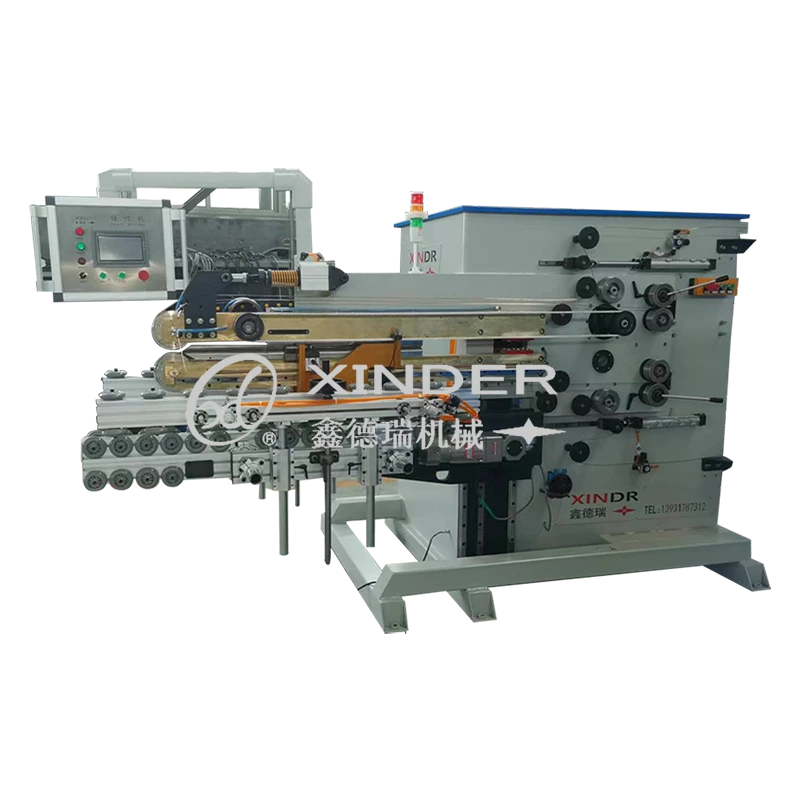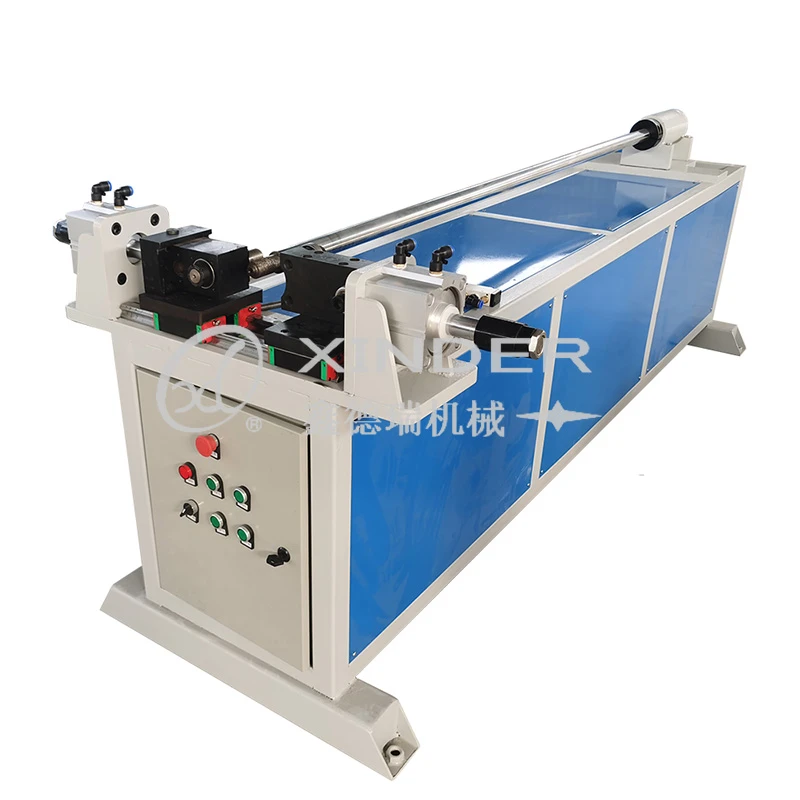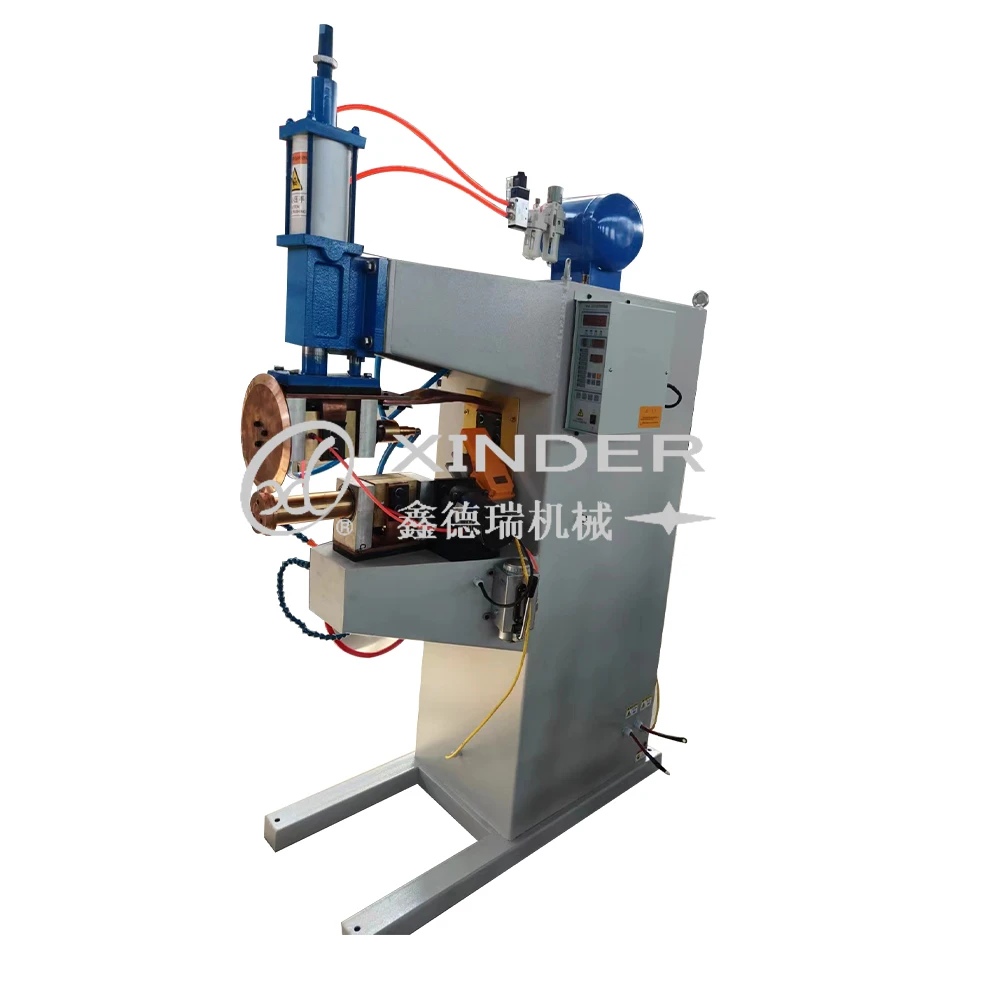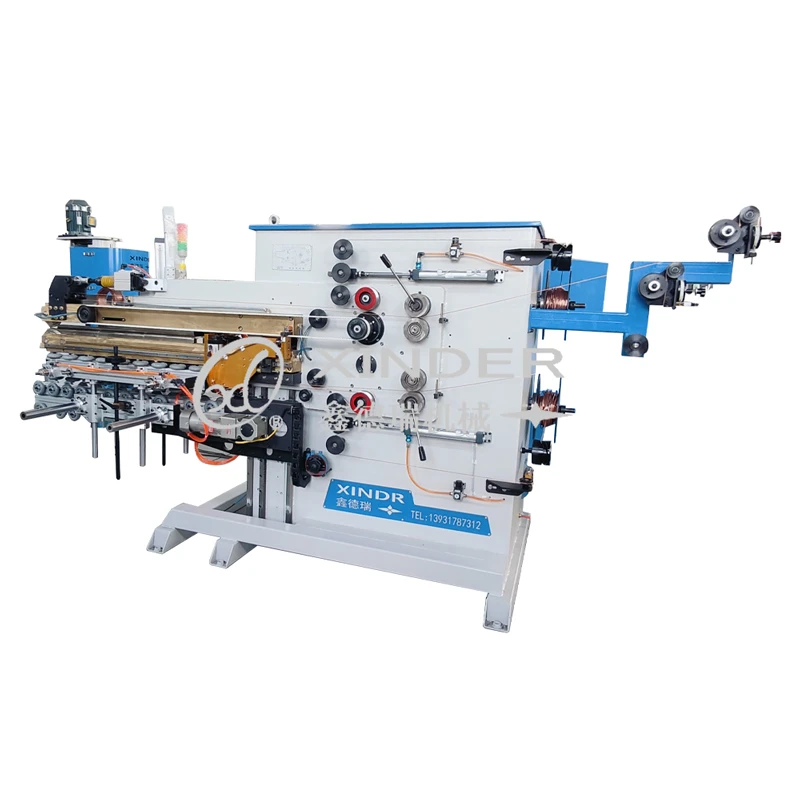
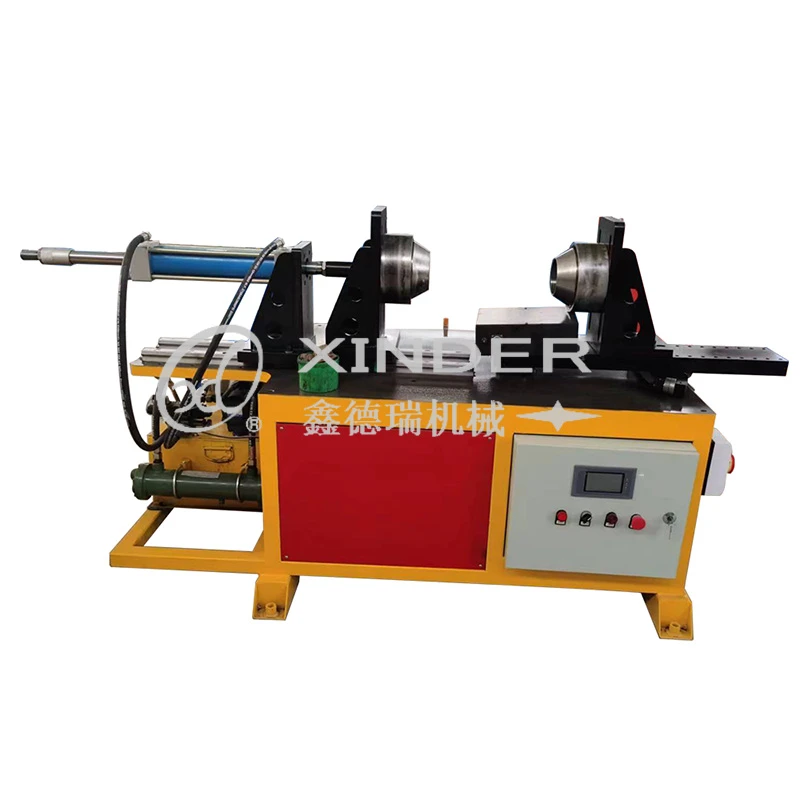
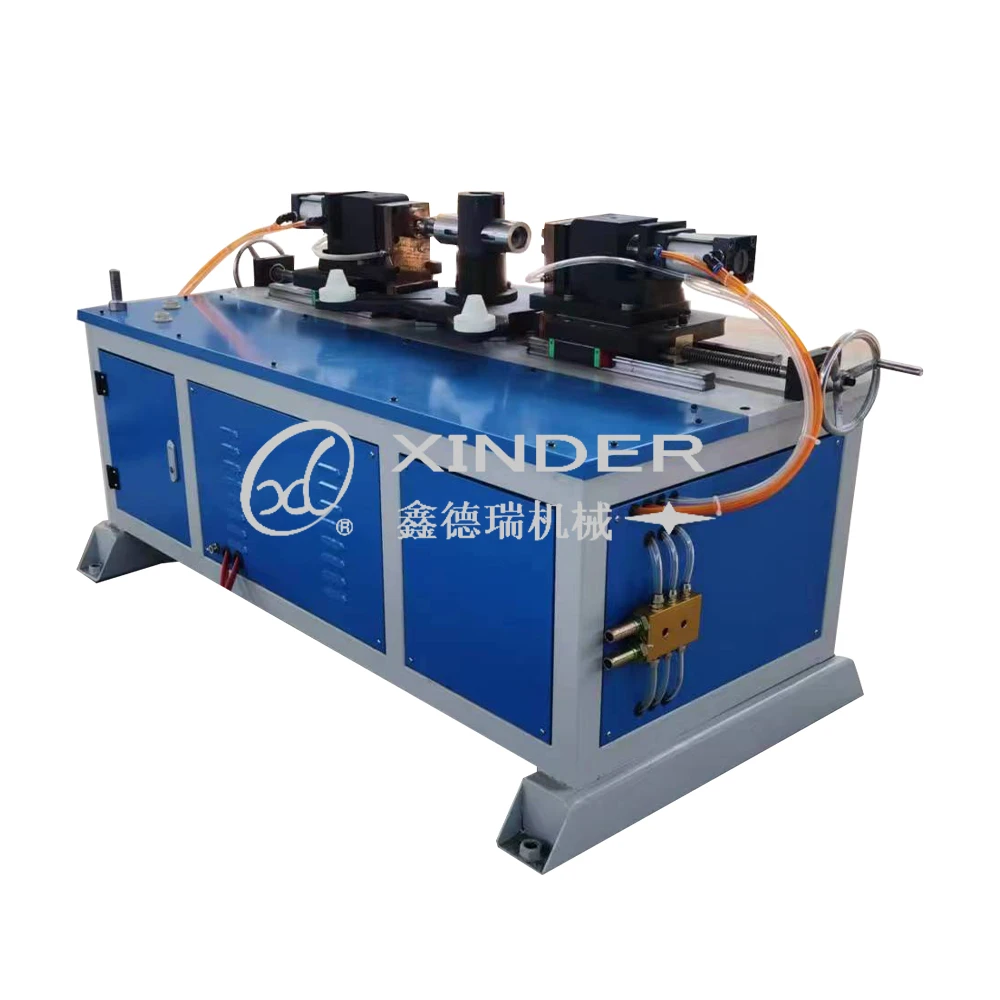
The United States manufacturing landscape is currently characterized by a strong push toward reshoring and the modernization of legacy plants. In the metal container sector, there is an increasing demand for precision and leak-proof seals, particularly for hazardous chemical storage and military-grade canisters. To meet these strict standards, many facilities are integrating advanced resistance welding equipment to ensure consistent joint strength across varying material thicknesses, from carbon steel to galvanized sheets.
Efficiency in production is no longer just about speed but about reducing waste and minimizing manual intervention. The adoption of a fully integrated barrel production line allows US enterprises to scale their output while maintaining tight tolerances. Whether producing 10L paint pails or 200L industrial drums, the focus has shifted toward versatility and the ability to handle irregular shapes, which is essential for the diverse needs of the American automotive and energy sectors.
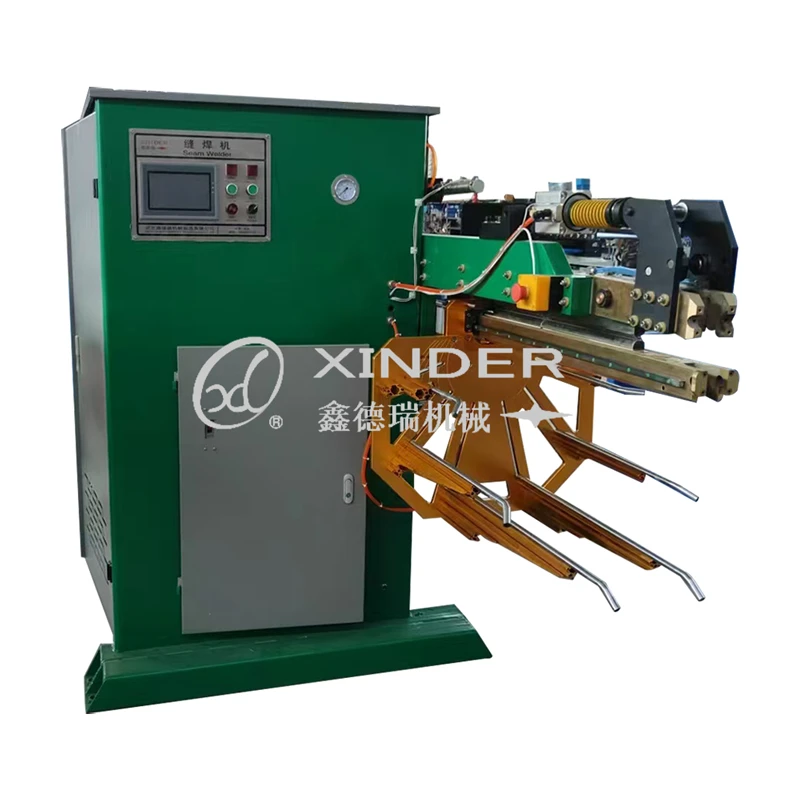
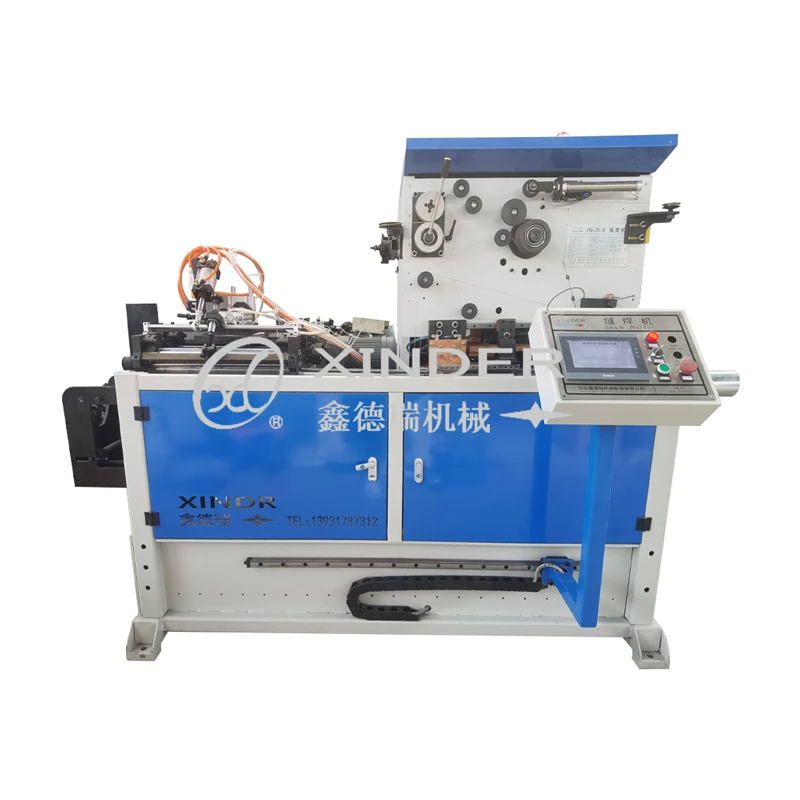
Technological upgrades are now centered on precision and energy efficiency. The industry is moving away from traditional methods toward a more controlled seam welding machine approach, which offers better thermal control and reduces distortion in thin-walled containers. This evolution is driven by the need for sustainable manufacturing practices and the requirement for containers that can withstand extreme temperature fluctuations across different North American climatic zones.