


Regional Analysis
The German Metal Packaging Landscape
Analyzing the shift toward sustainable and high-durability industrial containers in Central Europe.
Germany remains a global hub for chemical and automotive industries, driving a consistent demand for high-grade metal containers. The market is characterized by a transition from simple storage barrels to specialized, thin-walled sealed containers for hazardous materials. This environment requires equipment that can handle diverse materials—from galvanized sheets to stainless steel—while maintaining strict adherence to DIN standards and EU safety regulations. Local manufacturers prioritize durability and weld stability to prevent environmental contamination during transport.
Current market trends indicate a strong move toward automation and "Industry 4.0" integration. German producers are increasingly replacing fragmented manual stations with unified production lines to reduce labor costs and human error. There is a growing preference for laser welding pipe and advanced resistance welding systems that offer digital monitoring of weld parameters. This shift is driven by the need for higher repeatability and the ability to produce customized barrel sizes for niche industrial applications.
The outlook for the German market is shaped by the dual pressure of sustainability and efficiency. Companies are seeking equipment that minimizes material scrap and energy consumption. The opportunity lies in adopting "smart" manufacturing cells that can quickly pivot between producing 10L paint pails and 200L industrial drums. While high entry barriers exist due to quality certifications, manufacturers who provide tailored, high-performance engineering solutions can successfully penetrate this sophisticated industrial ecosystem.
Technology Path
Evolution of Metal Barrel Manufacturing
Tracing the transition from manual craftsmanship to automated precision systems.
Early Adoption
Manual Assembly
Production relied on manual rolling and basic welding tools. Cycle times were long, and weld quality varied significantly between operators, leading to high rejection rates.
Industrialization
Semi-Automation
Introduction of specialized resistance welding machines. This shift improved seam consistency and allowed for the production of larger 200L drums with higher reliability.
Current Phase
Full Line Integration
Implementation of complete barrel production line systems. Integration of PLC controls and laser precision ensures high speed and zero-defect manufacturing.
From General to Specialized
Early equipment was designed for a single barrel type. Modern systems now emphasize multi-functional capabilities, allowing manufacturers to switch between chemical, military, and industrial containers on a single line.
Digitalization of Welding
The shift from analog current adjustment to digital pulse control has allowed for precise monitoring of the welding arc. This ensures that thin-walled containers are not burned through while maintaining a strong bond.
Eco-Friendly Material Processing
Evolution in cutting and forming technology has focused on reducing "off-cut" waste. Modern lines integrate precise nesting and rolling to maximize the yield of every metal sheet.
Future Outlook
Emerging Trends in Metal Container Fabrication
Key technological shifts redefining the global metal packaging industry.
High-Precision Laser Welding
Transitioning from resistance to laser welding for thin-walled pipes and containers. This reduces thermal deformation and increases welding speed for stainless steel components.
Smart-Sensing Quality Control
Integrating real-time sensors to detect weld defects instantly. This removes the need for post-production pressure tests on every single unit, slashing quality control time.
Hybrid Material Processing
Increasing demand for equipment that can weld dissimilar metals or composite sheets. This allows for the creation of lightweight yet high-strength industrial containers.
Modular Line Architecture
The shift toward "Lego-style" production lines where modules (welding, flanging, testing) can be added or rearranged to meet changing market demands quickly.
The integration of AI-driven predictive maintenance is becoming a critical differentiator. By monitoring the wear of welding electrodes and the stability of the power supply, modern machines can alert operators before a failure occurs, eliminating unplanned downtime in high-capacity German factories. This transition toward proactive management ensures that the high throughput of a barrel production line is maintained without sacrificing the precision required for hazardous material storage.
Furthermore, there is a significant trend toward reducing the environmental impact of the welding process. New filtration systems and low-emission welding techniques are being implemented to comply with tightening workplace safety and environmental laws in Europe. The focus is not just on the final product, but on the entire lifecycle of the manufacturing process, from raw sheet metal input to the finished, sealed industrial container.
Practical Application
Deployment Scenarios in German Industry
How our equipment solves real-world production challenges across various sectors.
01
Chemical Storage Facility in North Rhine-Westphalia
A regional chemical supplier required high-leak-proof 200L barrels for corrosive agents. Using our resistance welding equipment with pulse control, they achieved a consistent, deep-penetration seam that passed all pressure tests, reducing leakage-related waste and ensuring regulatory compliance for hazardous transport.
02
Automotive Component Plant in Bavaria
An automotive supplier needed customized metal housings and mufflers with irregular shapes. By deploying our non-standard tailored designs, they integrated a specialized seam welder that could handle complex curvatures, reducing the need for manual reworking and shortening the assembly cycle by significantly increasing welding speed.
03
Industrial Paint Manufacturer in Baden-Württemberg
To scale production of 10L-20L paint pails, a manufacturer replaced isolated machines with a complete barrel production line. The synchronization of the barrel making machine with the flanging unit eliminated bottlenecks, allowing them to double their daily output without increasing the facility's footprint.
04
HVAC Ducting Producer in Saxony
A company specializing in ventilation ducts required high-efficiency laser welding pipe technology for stainless steel connections. Our solution provided a narrow heat-affected zone (HAZ), preventing the warping of thin-walled pipes and ensuring airtight seals for industrial ventilation systems.
05
Specialized Fire Extinguisher Producer in Hesse
Producing high-pressure fire extinguisher boxes requires flawless welding on small, thick-walled cylinders. Our customized resistance welding systems were tailored to these specific dimensions, ensuring the weld strength could withstand high internal pressures while maintaining a smooth exterior finish for coating.
Industry Perspectives
Representative Deployment Outcomes
Insights from typical operational implementations in the metal container sector.
Transitioning to a fully automated production line solved our consistency issues. The integration of precise seam welding eliminated the need for manual inspection of every unit, which was our primary bottleneck during peak seasons.
The ability to customize equipment based on our specific drawings was critical. We deal with irregular barrel shapes that standard machines couldn't handle. The tailored solution reduced our scrap rate and improved our lead times.
Switching to pulse resistance welding significantly improved the quality of our thin-walled chemical containers. We no longer experience the burn-through issues common with our previous legacy equipment.
Our Legacy
Hebei Xindrui Machinery: Engineering Excellence
Over two decades of dedication to the metal products and packaging industry.
2000
Foundation of Xindrui Machinery Factory
The company began its journey as a specialized factory, focusing on the fundamental needs of metal container production and establishing a core team of R&D experts in non-standard equipment manufacturing.
2000-2020
Technological Expansion & Market Growth
Over two decades, the company evolved its capabilities, solving complex technical problems for medium and large enterprises globally and expanding its product range to include corrugated elbow equipment and advanced welding lines.
Present
Globalized Engineering Solutions
Today, Hebei Xindrui Machinery is a recognized exporter to the US, Russia, France, Italy, Spain and Middle East, adhering to a philosophy of innovation, quality, and integrity in every piece of equipment produced.
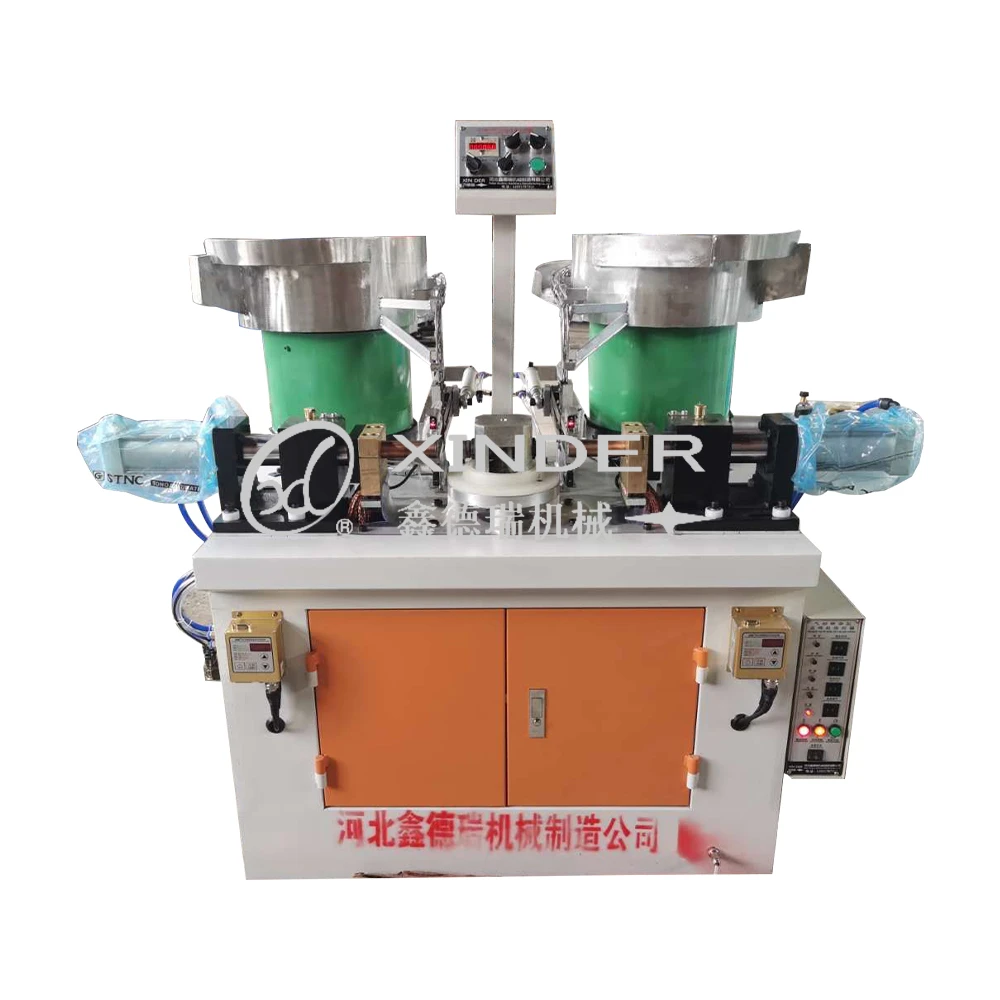
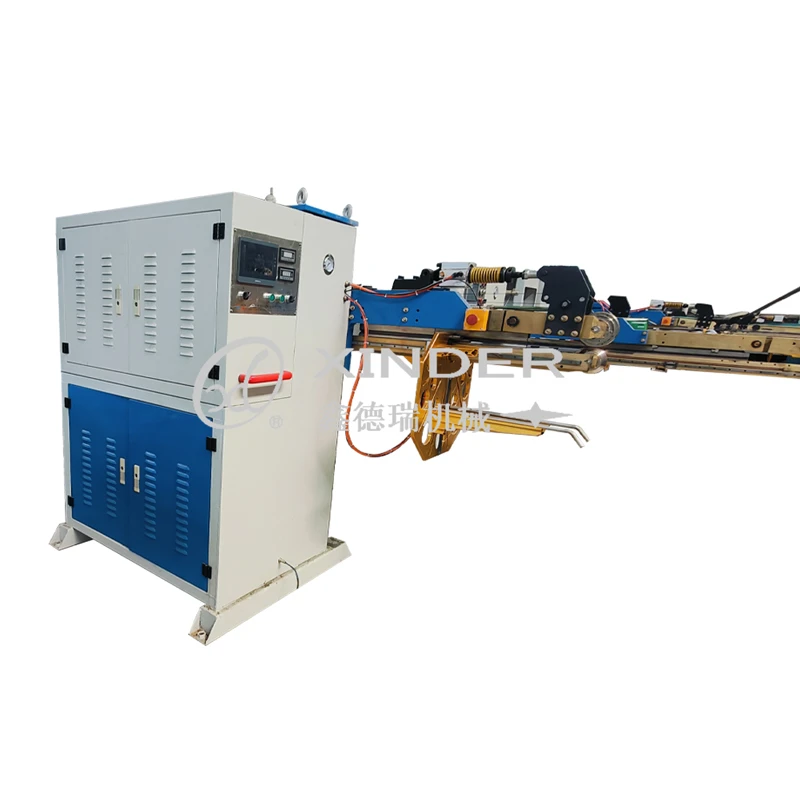
Fully automatic pneumatic double ear spot welding machine
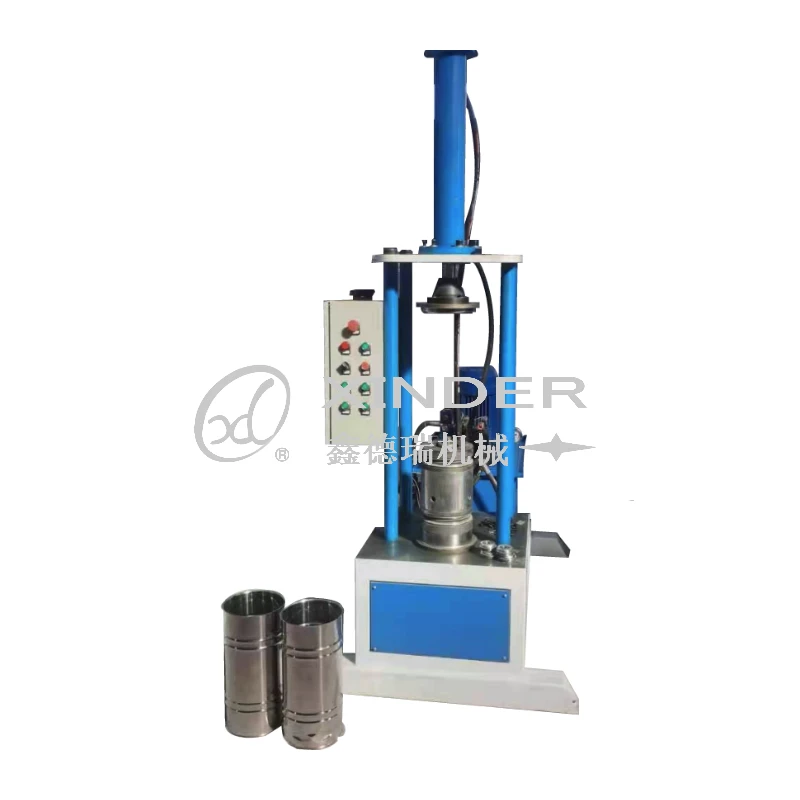
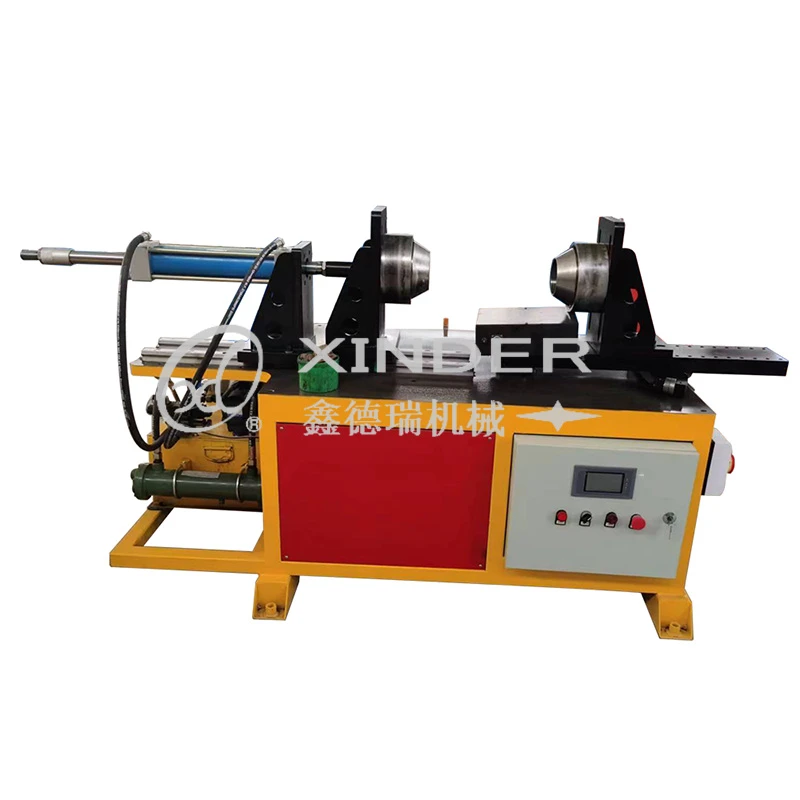
Stretching And Flanging Integrated Machine
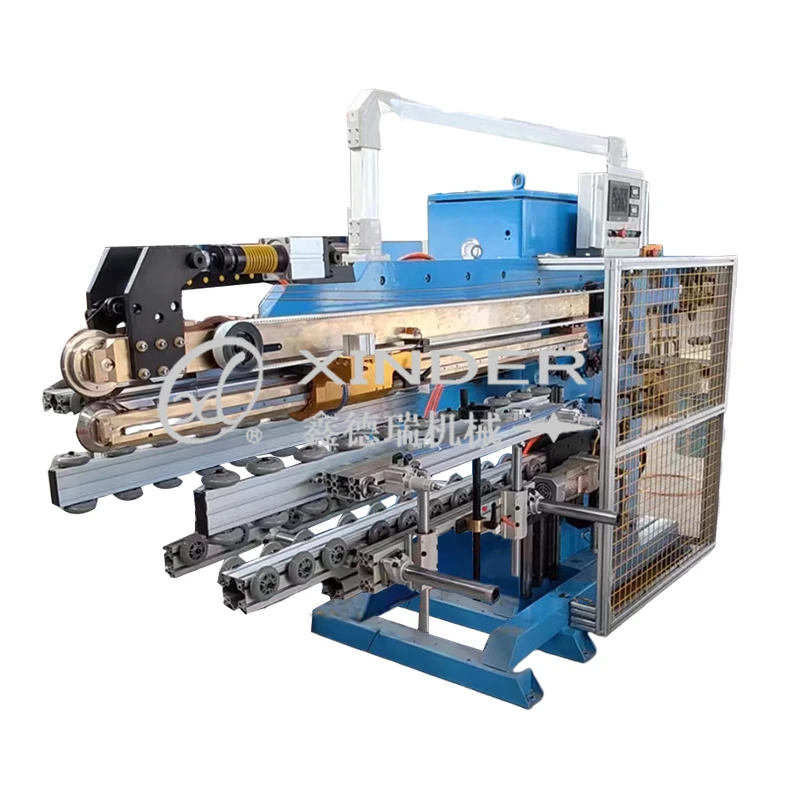
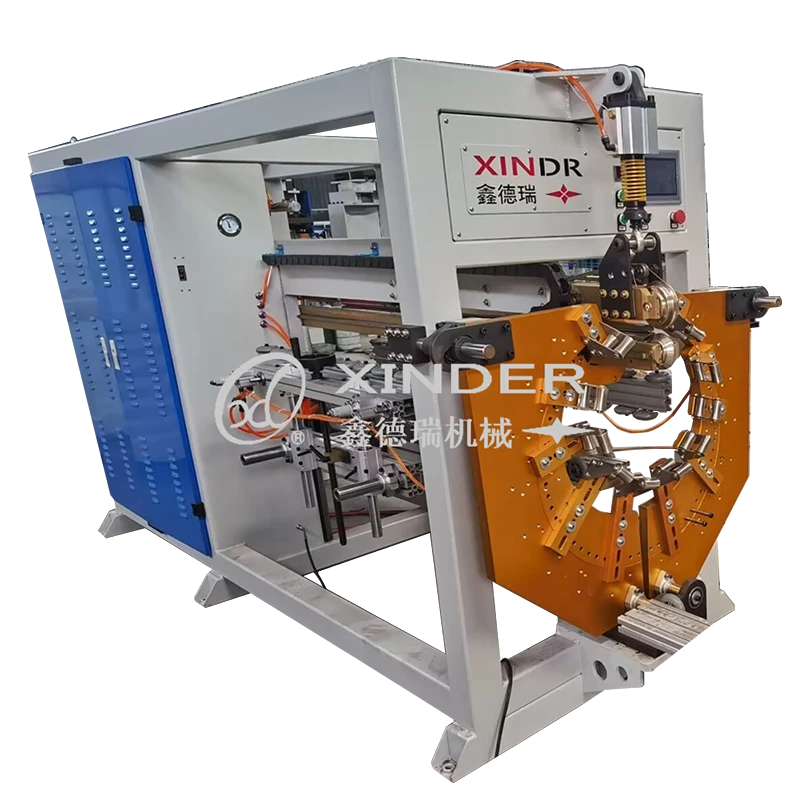
Forward Feed Tank Seam Welding Machine
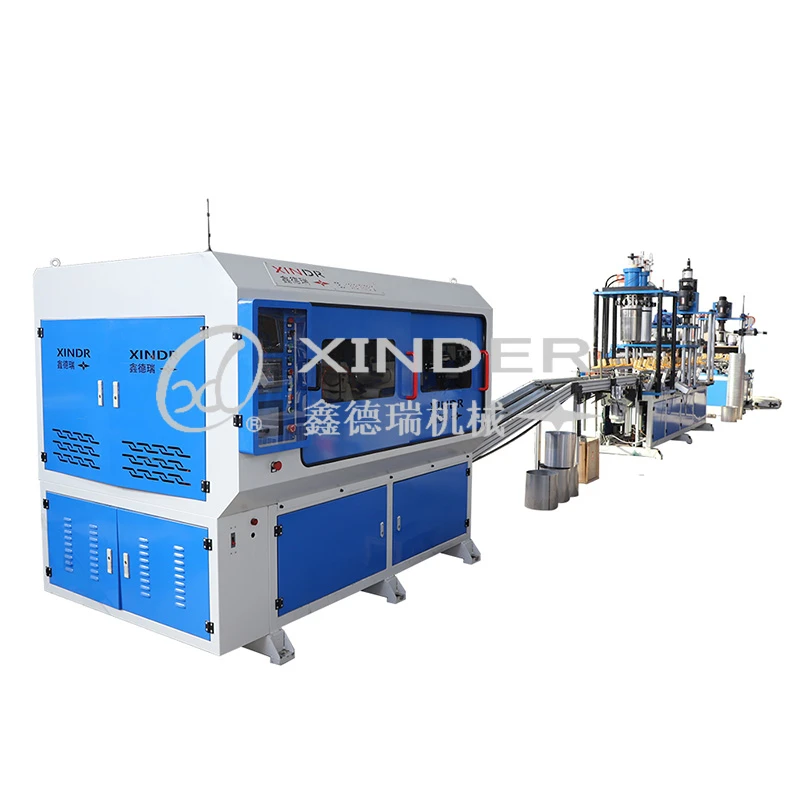
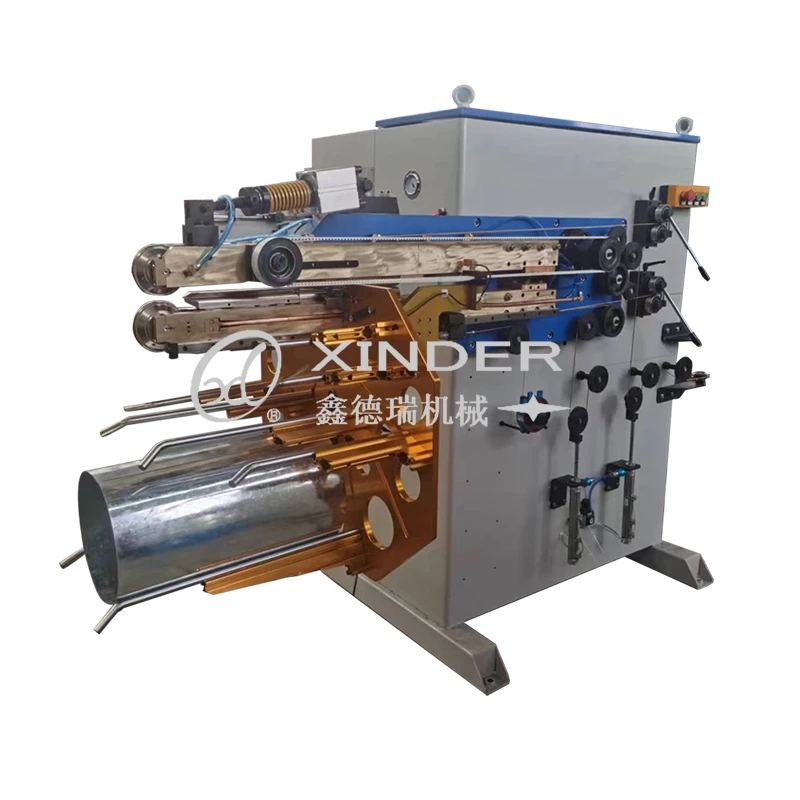
Stainless Steel Soup Barrel Production Line
Knowledge Base
Metal Container Production FAQ
Expert answers to common technical and operational queries from our global clients.
What is the primary difference between standard resistance welding and pulse seam welding for barrels?
Standard resistance welding applies a continuous current, which can lead to overheating and thinning of the metal sheet. Pulse seam welding, however, delivers current in controlled bursts. This mechanism allows the metal to cool slightly between pulses, preventing burn-through and ensuring a much deeper, more consistent weld penetration. For manufacturers of chemical or military barrels, this difference is critical for achieving a leak-proof seal that meets international safety standards.
Can your barrel production lines handle different materials like stainless steel and galvanized sheets?
Yes, our equipment is designed for versatility. We use adjustable current settings and interchangeable electrode tips to accommodate various materials, including carbon steel, low-carbon steel, stainless steel, and galvanized sheets. Because each material has a different electrical conductivity and melting point, our systems allow operators to save specific material profiles, ensuring that the welding parameters are perfectly calibrated for the material currently being processed.
How do you handle the requirement for irregular or non-round barrel shapes in a production line?
We provide targeted professional design based on customer drawings or samples. For irregular shapes, we customize the rolling modules and the positioning of the seam welding head. Instead of a fixed circular path, our equipment can be engineered to follow specific geometries. This tailored approach ensures that the weld remains tight and uniform regardless of the barrel's shape, allowing producers to offer exclusive designs to their clients without sacrificing structural integrity.
What are the main considerations when integrating a new seam welding machine into an existing German factory?
The primary considerations are electrical compatibility, conveyor synchronization, and footprint optimization. German facilities often have strict power quality and safety regulations. We ensure our machines meet these standards and provide modular interfaces that allow the welder to sync with existing transport systems. We recommend a detailed site audit and the provision of current layout drawings so our engineers can design a "plug-and-play" integration that minimizes production downtime.
How does a full barrel production line compare to using individual machines in terms of ROI?
A full line significantly improves ROI by reducing labor costs and eliminating the "wait time" between processes. In an individual machine setup, each stage (rolling, welding, flanging) requires manual movement of the workpiece. A synchronized line automates this flow, drastically increasing the units per hour. While the initial investment is higher, the reduction in labor, the lower scrap rate due to precision, and the increased throughput typically result in a much faster payback period.
A full line significantly improves ROI by reducing labor costs and eliminating the "wait time" between processes. In an individual machine setup, each stage (rolling, welding, flanging) requires manual movement of the workpiece. A synchronized line automates this flow, drastically increasing the units per hour. While the initial investment is higher, the reduction in labor, the lower scrap rate due to precision, and the increased throughput typically result in a much faster payback period.
What is the best way to select the right equipment if I only have a prototype or a sample barrel?
If you have a sample or prototype, the most effective approach is to provide us with a physical sample or a detailed CAD drawing. Our engineering team will analyze the material thickness, the seam geometry, and the required seal strength. We then propose a tailored design solution—selecting the appropriate welding current, electrode shape, and rolling mechanism. This "sample-to-solution" workflow ensures that the final equipment is perfectly matched to your product's specific technical requirements.
Ready to Scale
Optimize Your Metal Container Production in Germany
Whether you are looking to upgrade a single seam welding machine or implement a complete, high-capacity barrel production line, our engineers are ready to assist. We specialize in turning complex drawings and samples into high-performance industrial reality for the European market. Contact us today to discuss your technical specifications and receive a tailored engineering proposal.
Request a Consultation