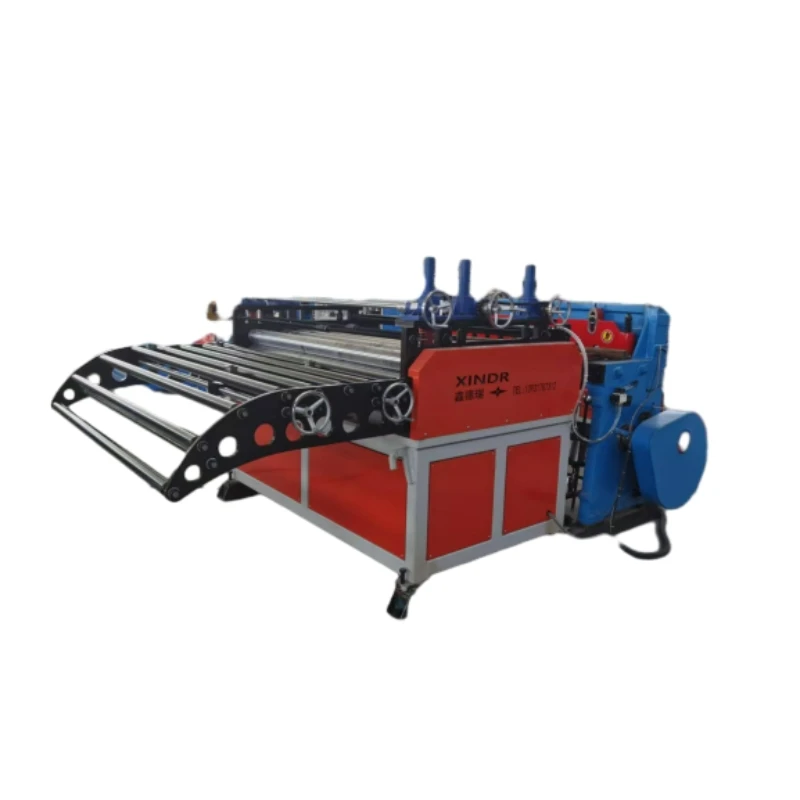


The industrial structure of Equatorial Guinea is heavily influenced by its energy sector, which creates a consistent demand for specialized storage and transport containers. For local enterprises, importing finished metal drums is often costly and inefficient. By implementing a localized barrel production line, manufacturers can reduce logistics overhead and respond more quickly to the needs of the oil and chemical industries, ensuring a stable supply of high-quality packaging.
Technical requirements in the region emphasize durability and leak-proof integrity, especially for hazardous materials. This is where a high-performance seam welding machine becomes critical. Precise longitudinal and circumferential welding ensures that metal containers can withstand internal pressure and external environmental stressors, which is a priority for technical managers overseeing facility upgrades in the local industrial zones.
As the region seeks to diversify its economy beyond raw material exports, there is a growing trend toward investing in non-standard equipment. The transition from manual assembly to automated processes, such as integrating a barrel making machine, allows local factories to scale production while maintaining strict quality control. This shift is essential for enterprises aiming to serve both domestic needs and potential export markets within the CEMAC zone.