-
 8613931787312
-
 Botou Industrial Zone on the east side of National Highway 104, Botou City, Hebei Province
8613931787312
Selecting the right equipment for metal container fabrication often comes down to the precision of the seam and the reliability of the seal. In the specialized field of thin-walled metal packaging, the ability to join galvanized sheets or stainless steel with uniform density determines the structural integrity of the final product.
Many operators struggle with electrode degradation when welding plated materials, which leads to inconsistent weld quality and increased downtime. This technical bottleneck has shifted the focus toward advanced resistance welding technologies that can handle diverse materials while maintaining high production speeds.
Whether you are producing industrial oil drums or specialized chemical canisters, understanding the capabilities of bending machine manufacturers and welding equipment specialists is essential for optimizing your production line.


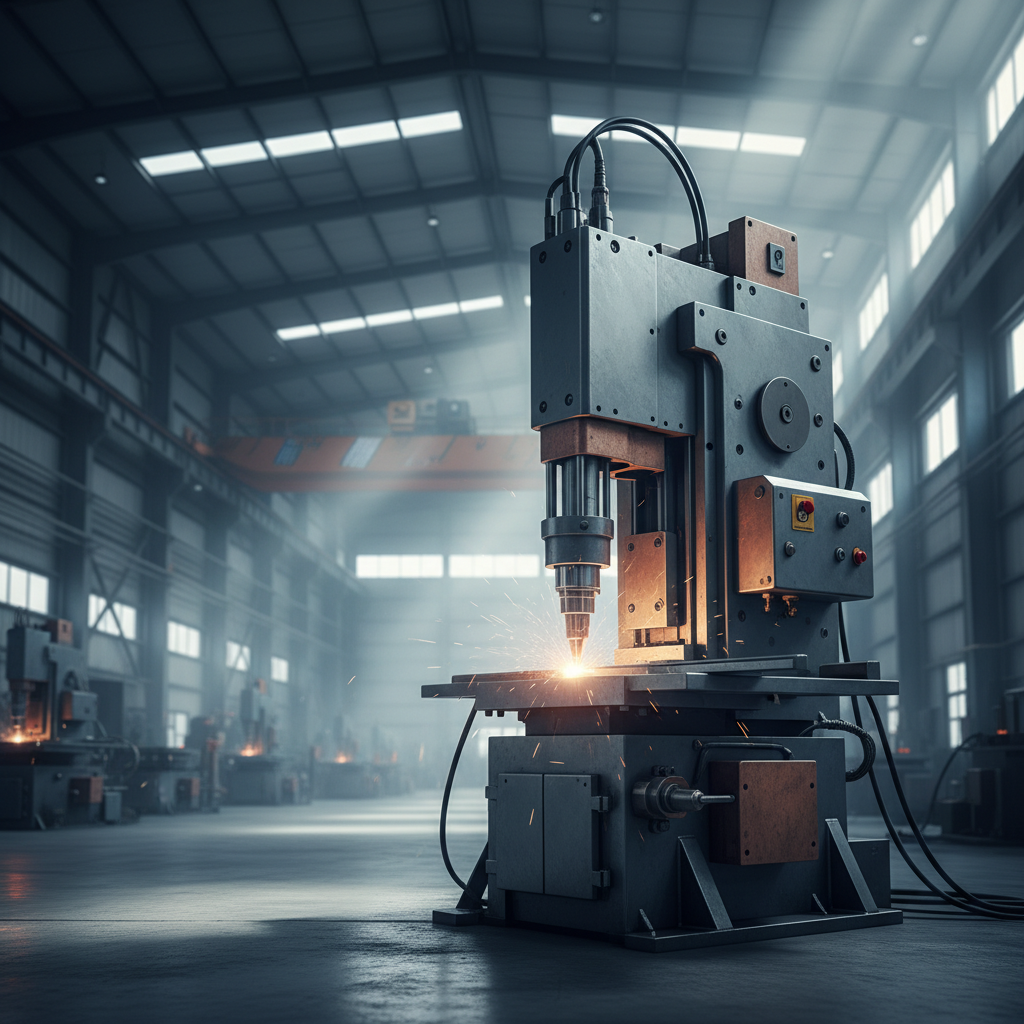
The fabrication of two-piece metal cans and barrels relies on the precise fusion of sheet metal along a longitudinal seam. This process requires a delicate balance of pressure, current, and timing to ensure that the weld is dense and uniform without burning through thin-walled materials.
Modern systems utilize a combination of pneumatic control and PLC automation to manage these variables. For example, the integration of Delta PLC and Siemens motors allows for a production speed of 3-4 pieces per minute, ensuring a stable flow in high-volume manufacturing environments.
Material thickness is one of the most critical factors in equipment calibration. For most metal container lines, board thickness ranges from 0.2mm to 1mm. Working within this range requires high-precision current control to avoid overheating the metal, which could lead to warping or structural weakness in the seam.
Furthermore, the welding diameter and length must be adaptable. While standard equipment often handles diameters from 70mm to 600mm, customized requirements for larger industrial drums necessitate robust machine capacities, often ranging from 25KVA to 150KVA, to maintain consistent heat across longer weld paths.
Control systems now offer three primary welding modes: continuous seam welding for maximum sealing, pulse seam welding for specific heat requirements, and intermittent seam welding for applications where full fusion is not necessary, providing flexibility across different product lines.
A recurring challenge for manufacturers using galvanized sheets or tinplate is the buildup of zinc or tin on the welding electrode. This contamination increases electrical resistance and leads to uneven welds, significantly reducing the lifespan of the electrode components.
The use of copper wire as the middle electrode is a critical technical solution to prevent electrode damage caused by the galvanized layer, ensuring a stable current flow and consistent weld quality over extended production cycles.
By implementing this approach, companies can maintain a weld overlap of 3-4mm without frequent interruptions for electrode cleaning or replacement. This technical refinement is particularly vital when working with base iron cold plates and stainless steel, where material purity affects the weld bond.
Efficiency in metal container production is measured by the synergy between energy consumption and output rate. High-performance lines balance power supply (typically 3-phase 380V/50HZ) with precise pneumatic pressure (approximately 0.5MPa) to ensure that each cycle is optimized for minimal waste.
When evaluating the performance of resistance welding equipment, manufacturers look at the relationship between the cooling water flow rate and the machine's duty cycle. A consistent flow of 20L/min is often necessary to prevent thermal drift in the electronics and electrodes.
The versatility of seam welding equipment allows for wide deployment across diverse product categories. In the chemical and paint industries, these machines are used to create leak-proof buckets and oil drums that must withstand corrosive materials and internal pressure.
Beyond barrels, this technology is applied to vacuum cleaner casings, car mufflers, and fire extinguisher boxes. Each of these applications requires specific adjustments to the welding length (ranging from 50mm to 1800mm) and diameter to match the geometric requirements of the part.
The shift toward fully automatic seam welding machines reflects the industry's need for higher repeatability and lower labor costs. By integrating components from brands like Schneider and Yadeke, manufacturers have reduced the margin of error in pneumatic actuation and electrical switching.
Recent trends show an increase in the demand for modular production lines. A Bucket Making Equipment Production Line now often incorporates laser welding equipment for ultra-precise joins and pneumatic handle welding machines to complete the assembly in a single coordinated workflow.
As the industry moves toward "Industry 4.0," the integration of smart sensors for real-time weld monitoring is becoming a priority, allowing operators to detect seal failures instantly and adjust parameters without stopping the line.
Choosing the right equipment requires a detailed analysis of the intended output. A manufacturer focusing on solar water tanks will have vastly different requirements for welding length and capacity than one producing small tinplate gift boxes.
Key trade-offs often involve production speed versus weld precision. While some machines can reach higher piece-per-minute rates, the stability of the seam may fluctuate if the cooling system or the power capacity is insufficient for the material thickness.
The following framework provides a relative assessment of technical requirements based on the final application, helping buyers align their equipment specs with their product goals.
| Material Type | Critical Parameter | Recommended Process | Typical Application |
|---|---|---|---|
| Galvanized Sheet | Electrode Material | Copper Wire Electrode | Paint Buckets |
| Stainless Steel | Current Stability | Continuous Seam | Soup Barrels |
| Tinplate | Heat Control | Pulse Welding | Packaging Cans |
| Cold Rolled Iron | Pressure Balance | Intermittent Welding | Industrial Drums |
| Thin-Walled Alloy | Precision Timing | Laser/Resistance | Vacuum Casings |
| Mixed Sheet | PLC Adaptability | Automated Seam | Custom Containers |
A seam welding machine is designed to create a continuous, leak-proof joint along the length of a metal sheet that has been rolled into a cylinder. By applying localized heat and pressure, it fuses the edges of materials like galvanized steel or stainless steel, ensuring the container can hold liquids or gases without leaking, which is essential for paint, chemical, and oil barrels.
When welding galvanized sheets, the zinc coating often contaminates traditional electrodes, leading to erratic electrical resistance and poor welds. Using copper wire as the middle electrode prevents this buildup and protects the electrode from damage. This results in more uniform heat distribution, a denser weld bead, and significantly longer intervals between maintenance cycles.
The capacity (e.g., 25-150KVA) should be determined by the material thickness and the welding diameter. Thicker sheets (up to 1mm) and larger diameters require more power to maintain a consistent temperature across the entire seam. If the capacity is too low, the weld may be under-penetrated; if too high without proper control, it may burn through the thin metal.
Continuous welding provides a solid, unbroken bead for maximum sealing. Pulse welding applies current in rapid bursts to manage heat input, reducing distortion in very thin materials. Intermittent welding creates a series of separate weld spots, which is faster and consumes less energy but is only suitable for containers that do not require a hermetic seal.
PLC (Programmable Logic Controller) systems, such as those from Delta, synchronize the material feed, the rotation of the barrel, and the timing of the weld. This automation eliminates manual alignment errors and ensures a consistent production rate of 3-4 pieces per minute, which is critical for maintaining a viable ROI in large-scale manufacturing.
Yes, many manufacturers provide targeted professional design services. By adjusting the welding diameter and length parameters—and sometimes customizing the rolling mechanism—equipment can be adapted for round, square, or irregular barrels. This customization is typically based on customer drawings or physical samples to ensure the seam follows the specific contour of the product.
The efficiency of a metal container production line is fundamentally tied to the precision of its welding and bending processes. By focusing on technical variables such as electrode material and PLC-driven synchronization, manufacturers can significantly reduce scrap rates and improve the structural reliability of their products.
As the demand for specialized packaging in the chemical and automotive sectors grows, the integration of versatile, automated equipment remains the most effective way to balance high output with stringent quality standards.