-
 8613931787312
-
 Botou Industrial Zone on the east side of National Highway 104, Botou City, Hebei Province


Exploring Types of Steel Drums: A Veteran’s Perspective
Understanding the Different Types of Steel Drums
After decades rolling around various industrial yards, steel drums have been a constant companion. You get to know their quirks, strengths, and limits pretty quickly. Oddly enough, steel drums aren’t all created equal — the differences go beyond just size or color. Whether you’re storing chemicals, oils, or powdered materials, picking the right steel drum can make or break the operation.
In real terms, steel drums commonly fall into a few main categories: open-head, closed-head, and specialist types like tight-head or removable-head drums. Engineers often debate which is “better,” but the truth is, it depends heavily on your application. Let’s break it down the way I’ve come to understand from years of fieldwork and countless projects.
Key Types and Their Industrial Applications
Open-head steel drums are the classic design many picture when thinking of drums. These have removable lids secured with a clamp ring. Great for stuff you need frequent access to—think powders, granules, or anything requiring easy stirring or sampling. I remember a plant where switching from closed to open heads reduced downtime significantly, because workers could grab materials without breaking a sweat.
Closed-head steel drums are sealed with permanently affixed tops, save for bung holes that allow filling and ventilation. These usually store liquids like oils, solvents, or hazardous materials where leakage must be avoided at all costs. Bulk chemical suppliers swear by these for their robustness and security.
Then you get specialist variants like tight-head drums which are closed-head designs but with threaded bungs for added sealing or automation compatibility. Some drums sport linings — epoxy or phenolic coatings — to resist corrosive contents. I once had to pick between lined or unlined drums when dealing with acid transport; the cost difference was small but the peace of mind was tremendous.
| Type | Capacity (Liters) | Material Thickness (Gauge) | Typical Use | Sealing |
|---|---|---|---|---|
| Open-Head | 200 | 18 - 20 Gauge | Powders, solids, general materials | Clamp ring with removable lid |
| Closed-Head (Tight-Head) | 200 - 220 | 18 - 22 Gauge | Liquids, chemicals, oils | Sealed bungs (threaded) |
| Specialty/Custom | Varies | Custom Gauge | Corrosive materials, food-grade, lined drums | Varies with design |
Picking the Right Supplier: What I’ve Learned
It’s one thing to know the types of steel drums, but sourcing them is a whole other story. From personal experience, supplier reliability and consistent quality matter just as much as specs. Even the best drum won’t cut it if it arrives battered or with inconsistent gauge — I once had a batch returned due to corrosion issues caused by poor coating application. Not fun.
| Vendor | Drum Types Offered | Customization Capabilities | Typical Lead Time | Additional Services |
|---|---|---|---|---|
| XDR Machinery | Open & Closed Head / Custom Linings | Yes – gauges, coatings, colors | 3-4 Weeks | On-site support and after-sales |
| Global Drum Co. | Mostly Standard Types | Limited | 2 Weeks | Basic warranty |
| SteelPack Solutions | Open, Closed, Specialty | Yes – heavy customization | 4-6 Weeks | Engineering consultations |
By the way, many plants I’ve worked in lean towards vendors like XDR Machinery because of their flexibility and solid service. I’ve noticed the downtime savings from their faster response time and ability to tweak specs to match evolving needs.
At the end of the day, selecting a steel drum isn’t just about ticking boxes on capacity or sealing type—it’s about matching the drum’s strengths to what’s inside it and how it’ll be handled. For instance, a powder that settles and clumps calls for a wide-open head and maybe a smooth lining, while volatile liquids scream for the tightest seals possible.
It’s funny how something seemingly simple like a drum can hold a world of complexity beneath its lid—or sometimes, below its clamping ring. Keeps things interesting.
Cheers to every industrial pro who’s learned the quirks of steel drums the hard way—me included.
A Few Parting Thoughts
If you’re thinking of upgrading your drum inventory or just curious, remember this: specs matter, but so does supplier reliability and service. I’ve seen plenty of projects derailed by overlooked details like inconsistent gauge thickness or shoddy sealing. Keep an eye on the little things; they add up in the long run.
Also, the industry’s evolving. Drum options keep expanding with new linings and eco-friendly coatings. So it’s worth asking your vendor about recent innovations—or what kind of testing protocols they follow. After all, industrial equipment isn’t just about moving stuff around—it’s about safety, compliance, and sometimes, a dash of unexpected innovation.
Stay curious, stay safe, and next time you roll a steel drum, give it a nod for all the stories it carries.
References & Insights
- Personal industry experience and site visits, 1998–2023
- Manufacturer product specs and engineering sheets (various vendors)
- Industry forums and safety standards from ASTM and OSHA
-
210l steel drums for sale: choosing between two welding machinesNewsNov.09,2026
-
Steel Drum Welding Machine FAQ: Utilities, Materials and Parts PlanningNewsNov.02,2026
-
Automatic Seam Welding Machine Comparison: Forward Feed Tank vs. 1.8-Meter Model — Operating Requirements, Interfaces and MaintenanceNewsOct.28,2026
-
Choosing a Hydraulic Sealing Machine: Working Requirements and Integration FitNewsOct.27,2026
-
Choosing a Corrugated Metal Elbow Production Line: Application Fit and Specification ChecksNewsOct.22,2026
-
Precision Engineering with 3 roll plate bending machine GuideNewsJul.01,2026
-
Precision Engineering and Efficiency with Automatic Conduit BenderNewsJun.29,2026
-
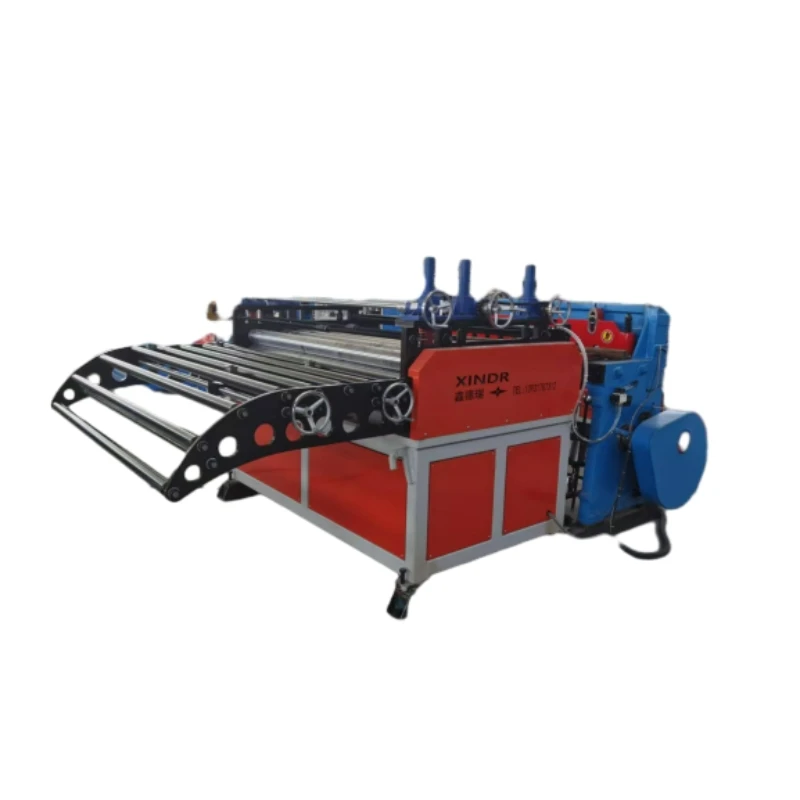 Fully Automatic Kaiping Production LineOct . 17, 2024
-
 Automatic Rolling MachineSep . 14, 2024
-
 Hydraulic Flanging MachineSep . 14, 2024