-
 8613931787312
-
 Botou Industrial Zone on the east side of National Highway 104, Botou City, Hebei Province


Fire Extinguisher Box Equipment Production Line – Auto CNC
Inside the Next-Gen Fire Equipment Factory: Notes From the Line
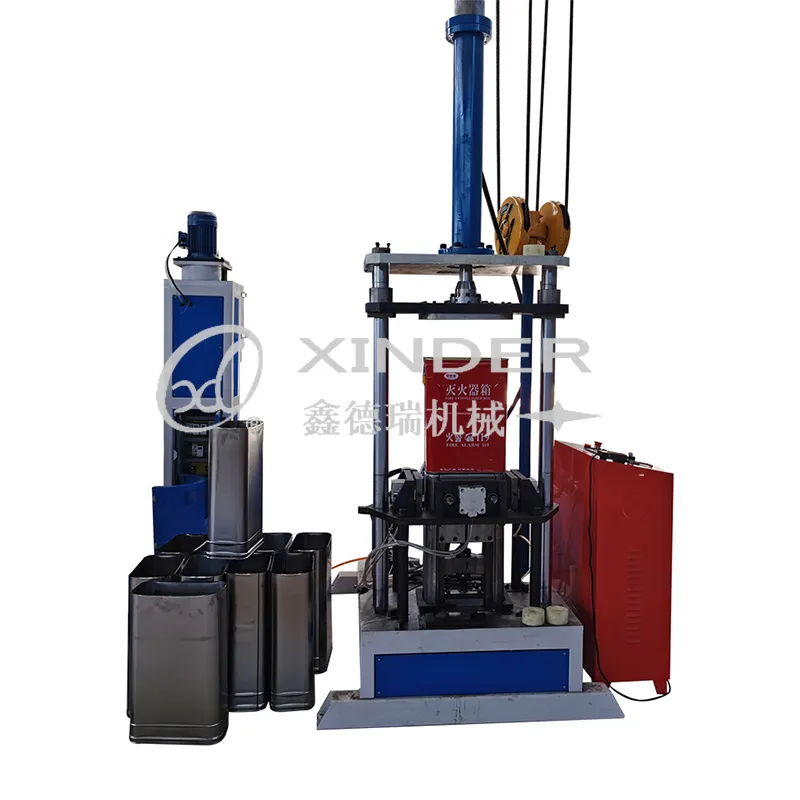
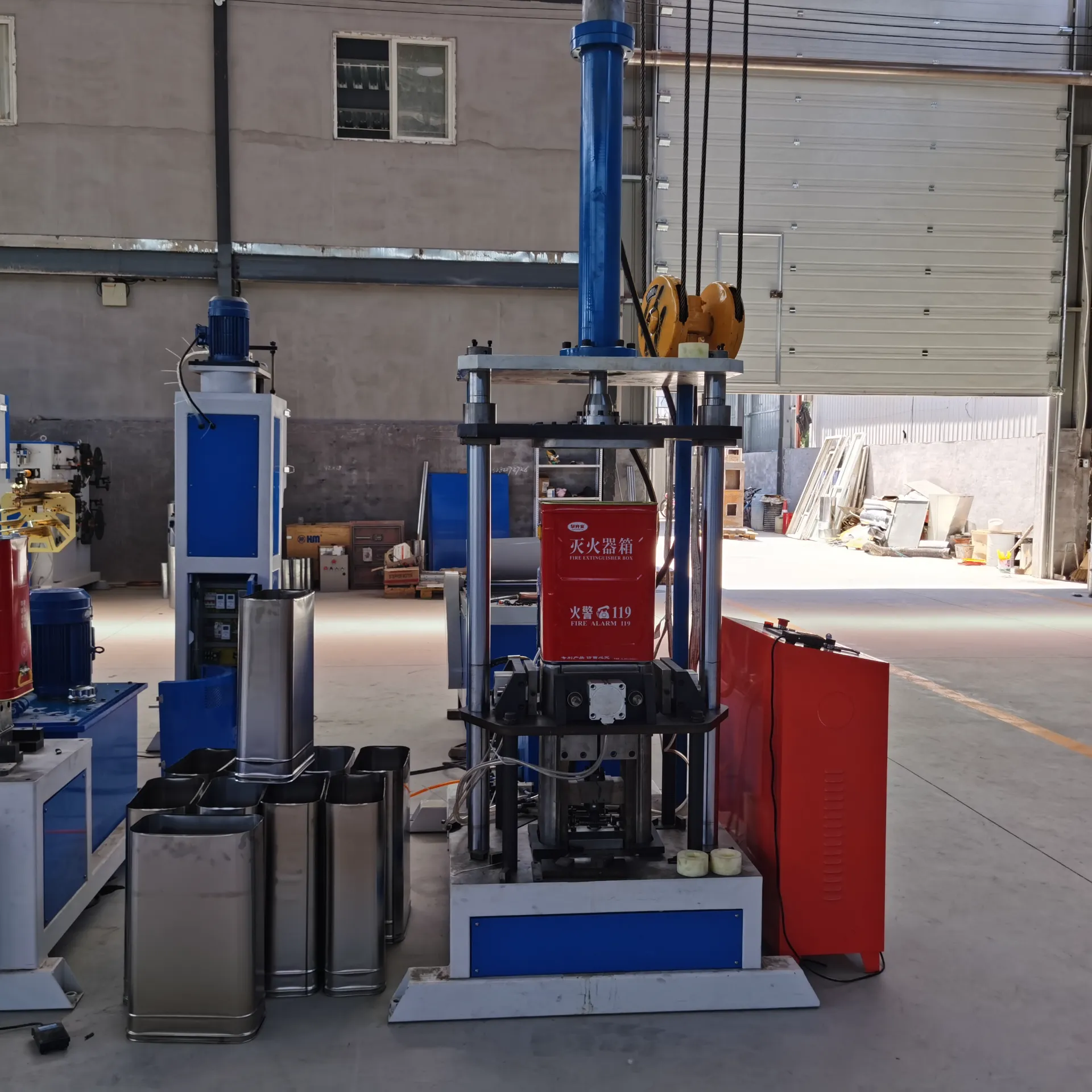
I spent a day walking the line at Botou Industrial Zone—east side of National Highway 104, Botou City, Hebei Province—where the Fire Extinguisher Box Equipment Production Line has become a bit of a local legend. Fast pace, tidy welds, and, to be honest, fewer operators than I expected. Many customers say it’s the first time a line felt “calm” at full speed.
Industry trend check
Demand for fire-safety cabinets and extinguisher boxes is shifting from low-cost manual fabrication to semi/fully automated sheet‑metal cells. Actually, buyers now ask more about uptime data, powder coating life, and compliance than just price. The pitch? Higher throughput, lighter staffing, and traceable quality. In fact, some facilities target “lights-out” coating and curing by 2026.
How the line works (materials → methods → testing)
- Materials: cold‑rolled steel (SPCC), galvanized steel (Z12–Z18), or SS304; hinges/locks in zinc‑nickel coated steel; silicone gaskets.
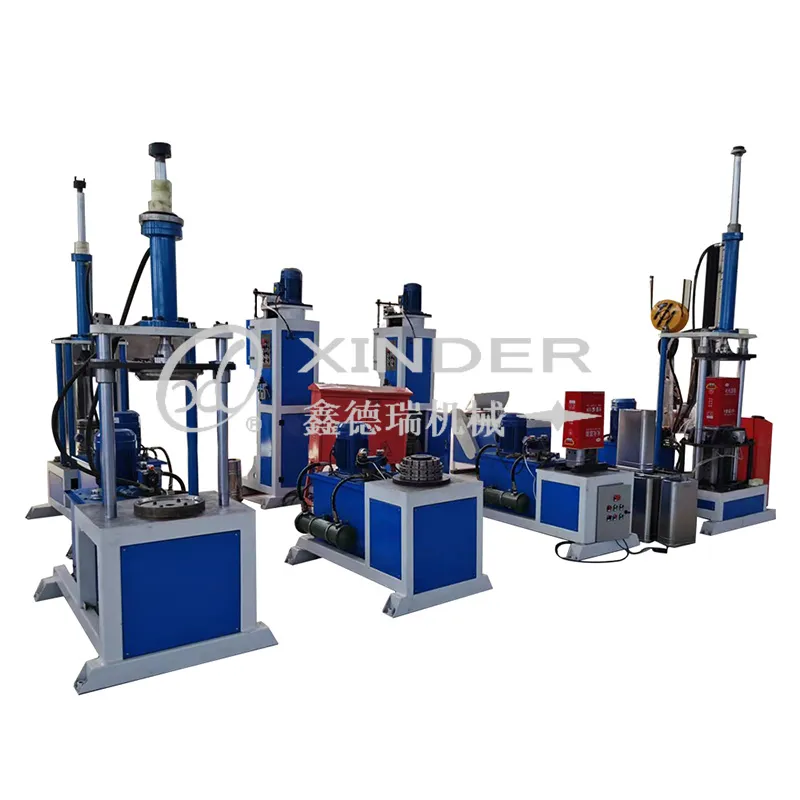
- Forming flow: decoiling → leveling → CNC turret punching/laser cutting → press‑brake bending → spot/MIG welding → deburr → phosphate pretreatment → powder coating → curing oven → assembly → labeling.
- Testing & standards: coating thickness ≈ 60–90 μm (ISO 2808); cross‑cut adhesion ISO 2409 grade 0–1; salt spray ISO 9227 ≥ 480 h typical; door cycle test ≥ 10,000 cycles; electrical safety of control panel IEC 60204‑1; machine risk reduction per ISO 12100. Real‑world use may vary.
- Service life: around 10–15 years inland; 5–10 years coastal with enhanced pre‑treatment and top coat.
- Industries: factories, malls, airports/rail, hospitals, data centers, oil & gas facilities, shipyards, and big public venues.
Key specs at a glance
| Parameter | Typical Value | Notes |
| Throughput | ≈ 6–10 boxes/min | Depends on size/steel grade |
| Material thickness | 0.7–1.5 mm | Common fire box gauge |
| Size range | W 300–1200 mm; H 400–1600 mm | Custom jigs available |
| Line footprint | ≈ 22–35 m | Incl. coating & curing |
| Operators/shift | 3–6 | Automation level dependent |
| Control system | PLC + HMI, IoT logging | MES/API optional |
Advantages you feel on the floor: higher labor productivity, gentler ergonomics, cleaner coating quality, and—surprisingly—more floor space freed up. The Fire Extinguisher Box Equipment Production Line routes WIP neatly; fewer forklifts roaming.
Vendor comparison (real buyers keep asking for this)
| Vendor | Throughput | Customization | Compliance | After‑sales | Price |
| XDR Machinery | High (6–10/min) | Strong (fixtures, MES, ovens) | ISO/CE; IEC 60204‑1 | Botou‑based + remote | Mid |
| Regional OEM A | Mid | Moderate | CE only | Local only | Low |
| Imported Line B | High | High (pricey) | CE/UL panel | Global | High |
Customization and real‑world feedback
- Custom dies/fixtures for odd door cutouts and glass windows.
- Anti‑corrosion packages: nano‑ceramic pretreatments, duplex coats for coastal sites.
- Data: OEE dashboards, barcode genealogy, energy meters.
Customer notes I heard: “Defects dropped from ~2.5% to 0.6% after switching to the Fire Extinguisher Box Equipment Production Line,” and “Two operators now cover what used to take five.” One Southeast Asia plant reported ≈ 18% energy savings by tuning oven setpoints and using standby logic.
Compliance snapshot
For finished boxes, buyers often reference NFPA 10 usage environments and local fire codes; for coatings and mechanicals, labs use ISO 9227 and ISO 2409. Control cabinets typically follow IEC 60204‑1 or UL 508A (region‑dependent). The machinery itself aligns with ISO 12100 risk assessment and is produced under ISO 9001 QMS—yes, the paperwork trail matters.
References
- NFPA 10: Standard for Portable Fire Extinguishers.
- ISO 9227: Corrosion tests in artificial atmospheres — Salt spray tests.
- ISO 2409: Paints and varnishes — Cross‑cut test.
- ISO 2808: Paints and varnishes — Determination of film thickness.
- IEC 60204‑1: Safety of machinery — Electrical equipment of machines.
- ISO 12100: Safety of machinery — Risk assessment and risk reduction.
- ISO 9001: Quality management systems — Requirements.
-
210l steel drums for sale: choosing between two welding machinesNewsNov.09,2026
-
Steel Drum Welding Machine FAQ: Utilities, Materials and Parts PlanningNewsNov.02,2026
-
Automatic Seam Welding Machine Comparison: Forward Feed Tank vs. 1.8-Meter Model — Operating Requirements, Interfaces and MaintenanceNewsOct.28,2026
-
Choosing a Hydraulic Sealing Machine: Working Requirements and Integration FitNewsOct.27,2026
-
Choosing a Corrugated Metal Elbow Production Line: Application Fit and Specification ChecksNewsOct.22,2026
-
Precision Engineering with 3 roll plate bending machine GuideNewsJul.01,2026
-
Precision Engineering and Efficiency with Automatic Conduit BenderNewsJun.29,2026
-
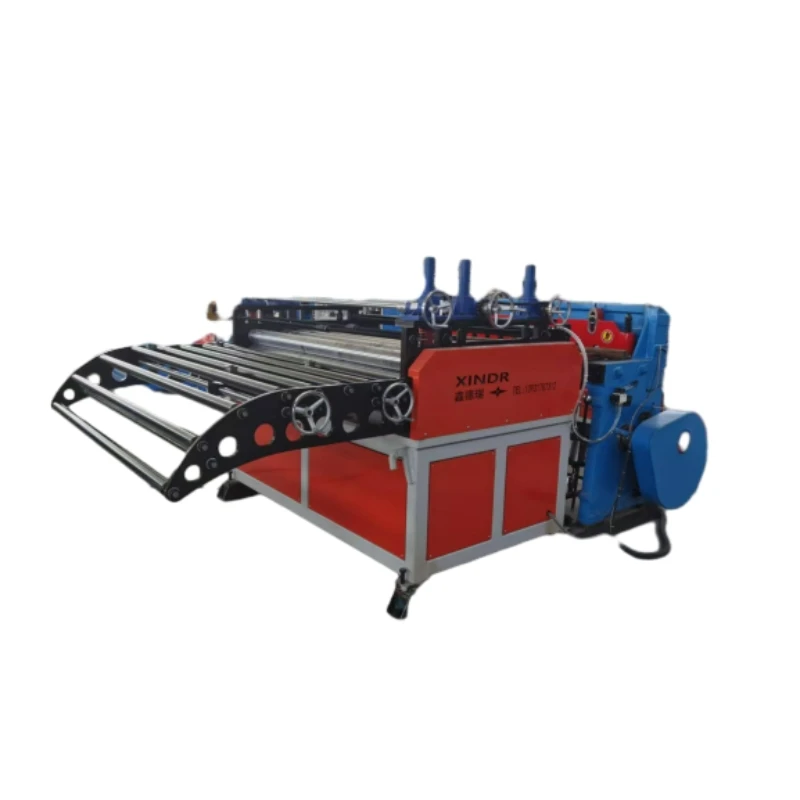 Fully Automatic Kaiping Production LineOct . 17, 2024
-
 Automatic Rolling MachineSep . 14, 2024
-
 Hydraulic Flanging MachineSep . 14, 2024