-
 8613931787312
-
 Botou Industrial Zone on the east side of National Highway 104, Botou City, Hebei Province


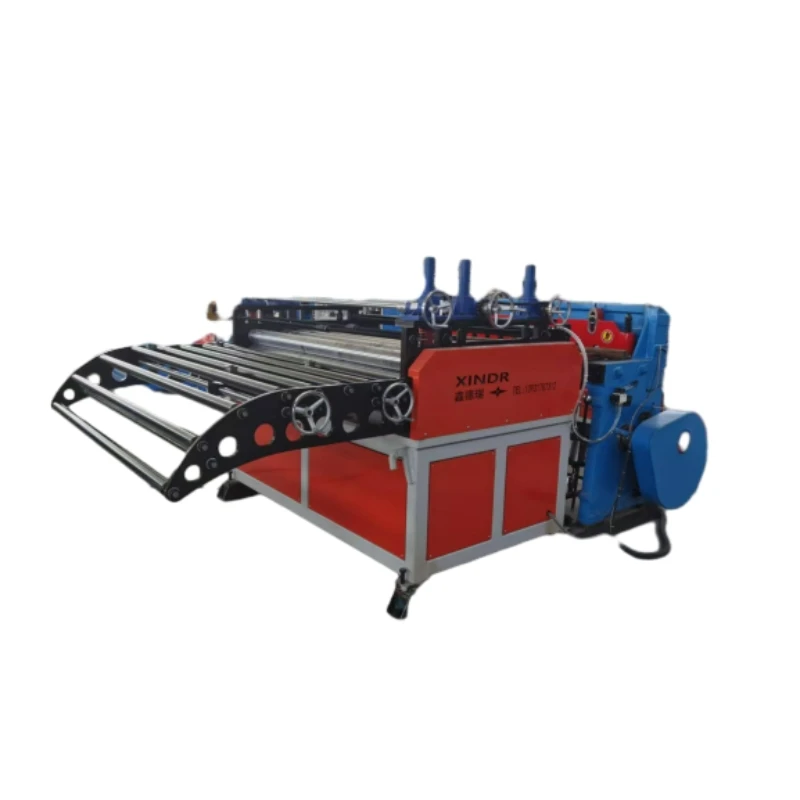
Heavy Duty Plate Bending Machine: Expert Insights & Specs
Heavy Duty Plate Bending Machine: A Veteran’s Take
Working in the industrial equipment sector for over two decades, I've had my fair share of encounters with all sorts of machines. But if there’s one piece of equipment that truly stands out when it comes to shaping steel plates, it’s the heavy duty plate bending machine. Frankly, it's a marvel of engineering and versatility — and oddly enough, often underrated outside specialist circles.
Now, when I say heavy duty, I mean machines built to wrestle with thick steel plates that are no joke in terms of size and strength. You might picture a bulky beast of a machine — and you'd be right — but these devices are also surprisingly refined in their precision. It feels like they bridge brute force with subtle control, something many engineers appreciate.
The core principle is pretty straightforward: feeding flat steel sheets, then bending them into curves or cylinders by applying pressure through a series of rollers. But, the quality and performance vary widely depending on the build, hydraulic power, and control systems. I've noticed those with advanced CNC controls, for example, offer far superior repeatability and ease of operation — avoiding the old-school trial-and-error headaches.
Materials used in these machines are also critical. High-strength steel frames coupled with precision-ground rollers ensure the machine stands the test of time — as well as the immense forces involved. Some manufacturers even coat rollers with hardened alloys or special polymers to minimize wear and improve grip on the plate surfaces.
Let me show you a typical example of a reliable heavy duty plate bending machine’s specs. This is the kind of info engineers ask for before committing to a purchase:
| Specification | Details |
|---|---|
| Plate Width Capacity | 3000 mm |
| Maximum Plate Thickness | 20 mm (Steel) |
| Maximum Bending Diameter | 450 mm |
| Hydraulic System Pressure | 25 MPa |
| Control System | CNC with Touchscreen Interface |
| Machine Weight | 14,500 kg |
In real terms, choosing the right heavy duty plate bending machine involves comparing vendors carefully. They may seem similar at first—but small differences really count, especially for companies focused on custom or high-precision jobs.
| Vendor | Build Quality | Control Precision | After-sales Support | Price Range |
|---|---|---|---|---|
| XDR Machinery | High-grade steel frame, hardened rollers | CNC with advanced error diagnostics | Responsive global service network | $$$ |
| SteelBend Co. | Standard steel frame | Semi-automatic controls | Limited regional support | $$ |
| Precision Rollers Inc. | Reinforced frame, polymer-coated rollers | Manual with some CNC options | Good training resources | $$$ |
To give you a candid glimpse, a manufacturing plant I visited recently switched to one of these heavy duty machines after years with older models. They said the new system not only cut cycle times by nearly 30% but also improved product consistency dramatically. It’s those kinds of real-world gains — not just glossy brochures—that count.
Of course, every shop’s needs vary: thicknesses, output volumes, material types. That’s why customization options are increasingly popular — variable roller diameters, adaptable control software, and upgraded hydraulic pumps can tailor machine performance finely. It’s a lot like tuning a musical instrument; you want the perfect bend every time, not warped parts.
In the end, the heavy duty plate bending machine remains an essential player in metal fabrication. For anyone working in sectors from shipbuilding to construction, having a reliable, precise, and robust bending machine is a major asset. I suppose what keeps it exciting is that despite decades of use, there’s still innovation and niche expertise developing all the time.
Takeaway: Investing in a quality heavy duty plate bending machine pays off in accuracy, efficiency, and long-term reliability.
References:
1. Industrial Metalworking Trends, 2023 Edition
2. User interviews from US fabrication plants, 2022
3. Manufacturer specifications from leading vendors
-
Steel Drum Welding Machine FAQ: Utilities, Materials and Parts PlanningNewsNov.02,2026
-
Automatic Seam Welding Machine Comparison: Forward Feed Tank vs. 1.8-Meter Model — Operating Requirements, Interfaces and MaintenanceNewsOct.28,2026
-
Choosing a Hydraulic Sealing Machine: Working Requirements and Integration FitNewsOct.27,2026
-
Choosing a Corrugated Metal Elbow Production Line: Application Fit and Specification ChecksNewsOct.22,2026
-
Precision Engineering with 3 roll plate bending machine GuideNewsJul.01,2026
-
Precision Engineering and Efficiency with Automatic Conduit BenderNewsJun.29,2026
-
Professional Pipe and Tube Bender for High Precision FabricationNewsJun.27,2026
-
 Fully Automatic Kaiping Production LineOct . 17, 2024
-
 Automatic Rolling MachineSep . 14, 2024
-
 Hydraulic Flanging MachineSep . 14, 2024