-
 8613931787312
-
 Botou Industrial Zone on the east side of National Highway 104, Botou City, Hebei Province


Steel Drum Set for Sale – Durable, Reliable Industrial Solutions
Steel Drum Set for Sale: Tough, Practical, and Ready to Roll
After spending over a decade dabbling in industrial equipment—quite a few steel drum sets included—I’ve come to appreciate the quiet, utilitarian charm of these workhorses. You don’t often spot them stealing the spotlight, but frankly, they’re the unsung heroes in sectors ranging from chemicals to food processing and waste management.
If you’re out looking for a steel drum set for sale, this little deep dive might save you some headaches. I’ve noticed industry folks often overlook some key product features, until a hiccup in storage or transport throws a wrench into the workflow—literally.
Why Steel Drums Remain the Industrial Gold Standard
Steel drums have been around for decades, and odd as it sounds, their design hasn’t radically changed because it doesn’t have to. These drums are crafted to meet rigorous standards—whether it’s DOT or UN certifications—so they can safely store, ship, or handle volatile or sensitive materials.
I remember a client a few years back who switched to a particular 55-gallon steel drum after several issues with plastic drums cracking under stress. That switch was something of a game-changer for their chemical handling process. These steel drums wear better, resist punctures, and can be perfectly welded or sealed to avoid leaks, which frankly keeps everyone calmer on site.
What to Look For: Key Steel Drum Set Specifications
Not all steel drums are created equal, though. Thickness of the steel, lid type, finishing (painted, galvanized), and compliance with safety standards matter a lot. Speaking of which, here’s a quick rundown of typical specs you’d want to check out before committing:
| Specification | Typical Range/Value |
|---|---|
| Capacity | 55 gallons (208 liters) |
| Material Thickness | 18-22 gauge (approx. 0.8 - 1.2 mm) |
| Finish | Painted, galvanized, or epoxy coated |
| Lid Type | Tight head (closed) or open head with removable lid |
| Certifications | DOT, UN, ISO compliance available |
| Weight (empty) | Approx. 20-25 lbs (9-11 kg) |
What I always tell newcomers though: think past just the specs. Think about your end-use environment—hazardous materials sometimes need sealed drums with special linings or venting options. Also, how are you handling these drums? Are you stacking them? Truck loading? These small details decide whether you’ll love your purchase or swear off steel drums for good.
Picking the Right Vendor: A Simple Comparison
There are plenty of suppliers out there, each touting slightly different perks. So, based on my experience and a few conversations with procurement managers, here’s a quick vendor comparison snapshot that might help clarify things:
| Vendor | Customization Options | Certification Support | Price Range (per unit) | Lead Time |
|---|---|---|---|---|
| XDR Machinery | Lids, coatings, printed logos | Full DOT, UN, ISO | $35-$45 | 2-3 weeks |
| SteelCo Supply | Basic colors only | Partial certifications | $30-$40 | 4-6 weeks |
| Global Drums Inc. | Wide customization, tailored designs | Full certifications | $40-$55 | 3-4 weeks |
Based on practical usage, clients I know especially like XDR Machinery for a reason. Their responsiveness and strict adherence to certification standards make a big difference when compliance and deadlines are non-negotiable.
Final Thoughts on Buying Steel Drum Sets
It may sound mundane, but these steel drums really are foundational to lots of industrial workflows. The devil’s in the details—thickness, finishing, lids, certifications—and also in picking a vendor who’s reliable and understands what you need.
If you’re new to this, I’d say order a sample or a couple of drums first. Feel the metal, check the welds, test the seals. It’s surprisingly worth it before bulk purchases. Industry folks tend to share stories about those “almost failed” shipments, and many mishaps could’ve been nipped with a quality drum from a decent supplier.
So, when searching for a steel drum set for sale, look beyond price tags. Think longevity, compliance, and ease of use. That’s the real ROI.
-
210l steel drums for sale: choosing between two welding machinesNewsNov.09,2026
-
Steel Drum Welding Machine FAQ: Utilities, Materials and Parts PlanningNewsNov.02,2026
-
Automatic Seam Welding Machine Comparison: Forward Feed Tank vs. 1.8-Meter Model — Operating Requirements, Interfaces and MaintenanceNewsOct.28,2026
-
Choosing a Hydraulic Sealing Machine: Working Requirements and Integration FitNewsOct.27,2026
-
Choosing a Corrugated Metal Elbow Production Line: Application Fit and Specification ChecksNewsOct.22,2026
-
Precision Engineering with 3 roll plate bending machine GuideNewsJul.01,2026
-
Precision Engineering and Efficiency with Automatic Conduit BenderNewsJun.29,2026
-
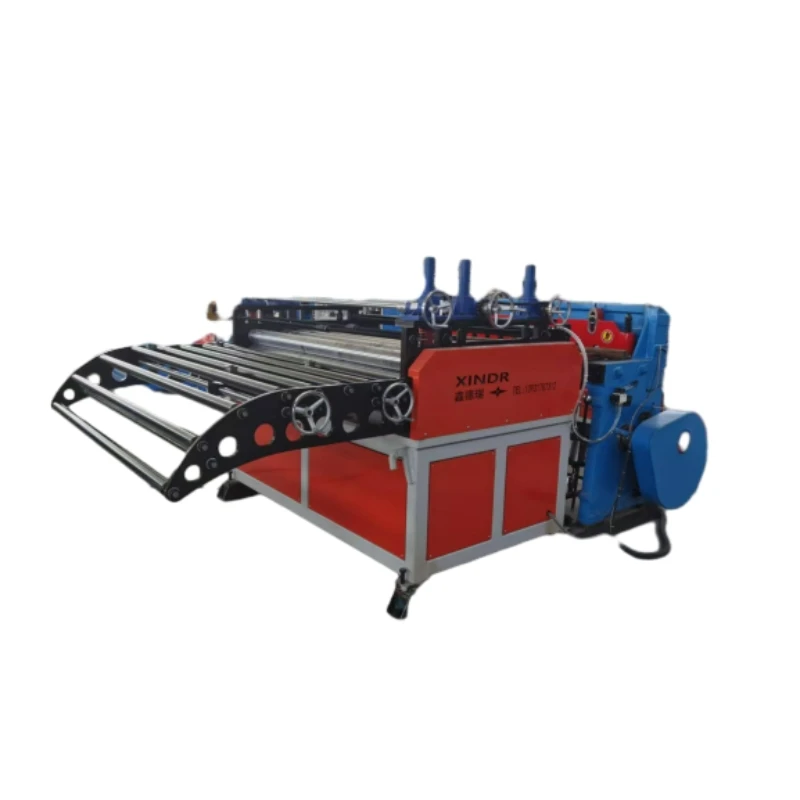 Fully Automatic Kaiping Production LineOct . 17, 2024
-
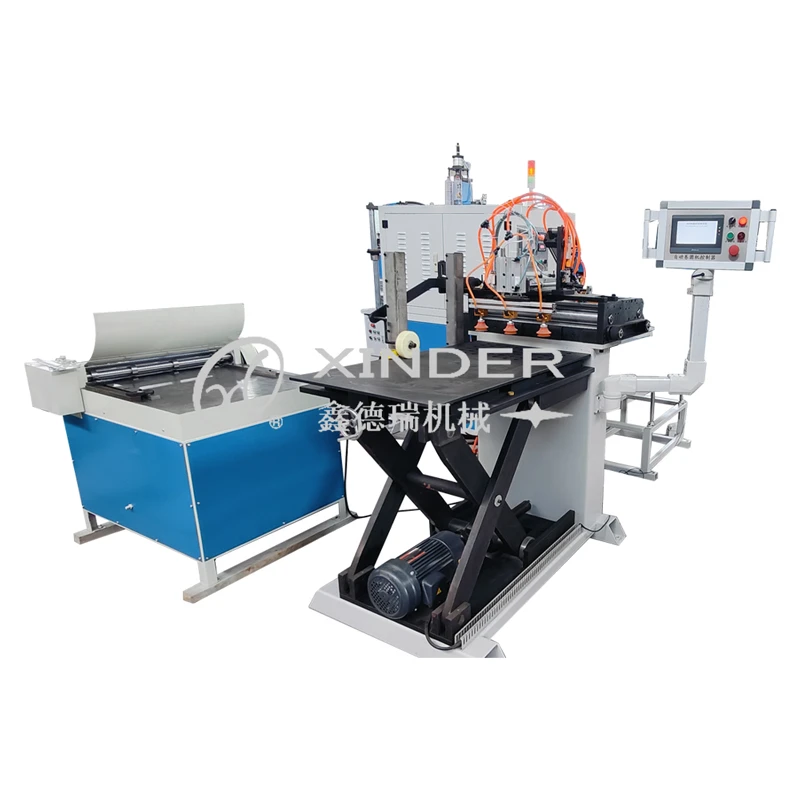 Automatic Rolling MachineSep . 14, 2024
-
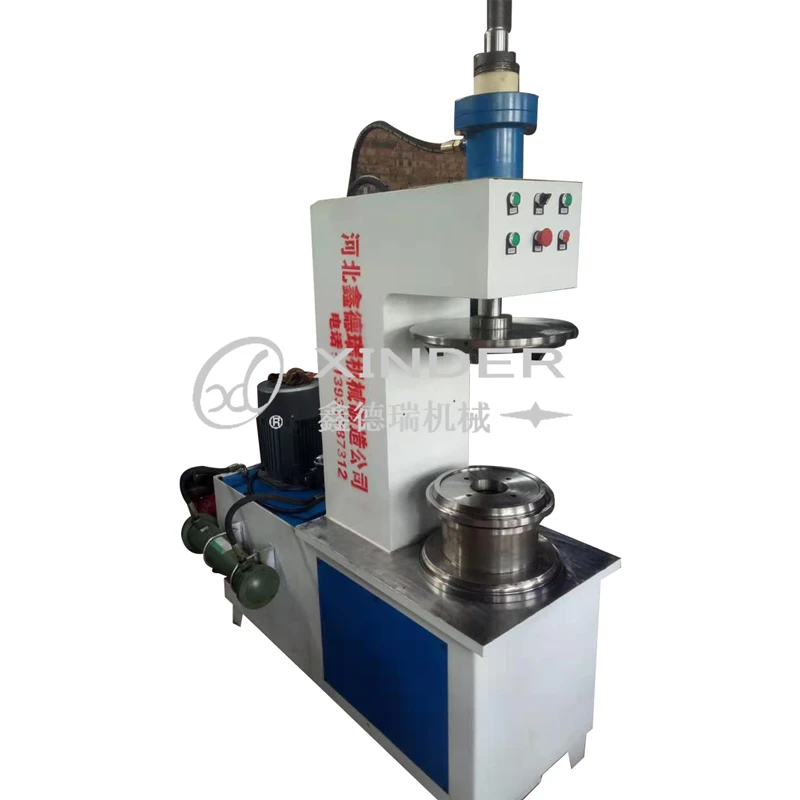 Hydraulic Flanging MachineSep . 14, 2024