-
 8613931787312
-
 Botou Industrial Zone on the east side of National Highway 104, Botou City, Hebei Province


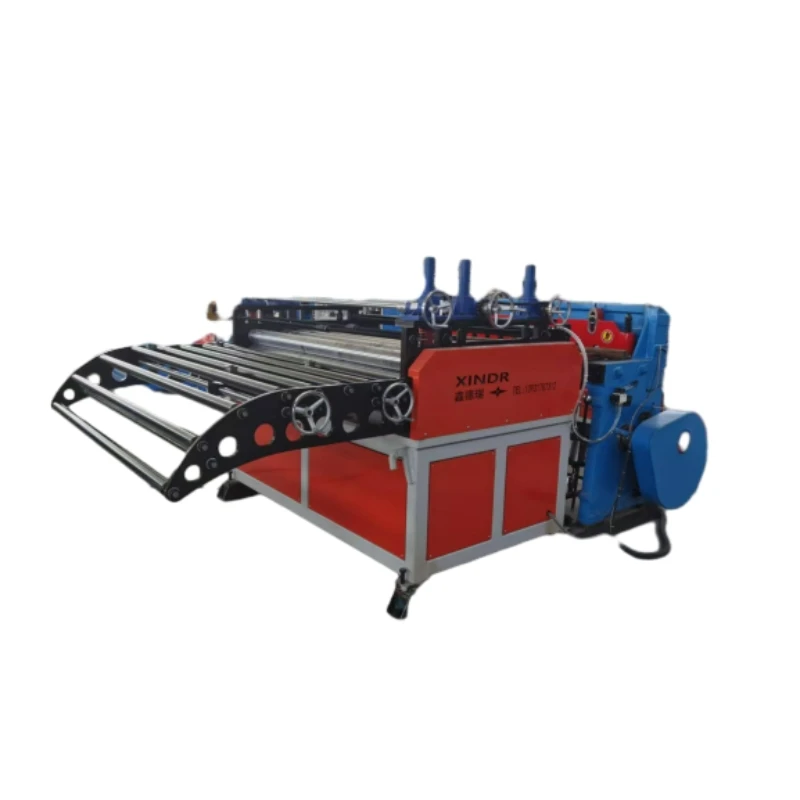
Automatic Welding Machine China – Affordable & Reliable Automated Welding Solutions
Understanding the Rise of the Automatic Welding Machine in China’s Industrial Landscape
Automatic welding machines have become a cornerstone in modern manufacturing, especially those produced in China. But why should we care, and what makes “automatic welding machine China” such a buzzphrase across industries? Simply put, welding — the process of joining metals — is fundamental to countless products we rely on daily, from cars to bridges to household appliances. The automation of this process, particularly from China's booming manufacturing hubs, promises not only improved efficiency but also enhanced quality and cost-effectiveness worldwide.
Global industrial growth, especially in infrastructure, aerospace, and energy sectors, continues to demand faster, more reliable welding solutions. Understanding the strengths and nuances of automatic welding machines from China can provide manufacturers, engineers, and buyers a sharp edge in staying competitive and innovative in today's market.
Why the World is Turning Its Eye Toward Automatic Welding Machine China
The global welding equipment market, according to the International Organization for Standardization (ISO), is predicted to grow steadily at around 6% annually through 2027. China, as the world’s biggest manufacturing base, now dominates this sector, producing vast quantities of automatic welders for both domestic consumption and export.
With increased urbanization, demand for durable infrastructure, and the rise of electric vehicles, welding automation is no longer a luxury but a necessity. Yet many manufacturers face challenges such as inconsistent welding quality, supply chain delays, and rising labor costs. This is where automatic welding machines originating from China notably step in, offering scalable solutions that address these pain points efficiently. For many, these machines are the difference between maintaining productivity vs. costly downtime.
What Exactly Is an Automatic Welding Machine from China?
Put simply, an automatic welding machine—which China produces in remarkable volume—is a device that joins metal parts with minimal manual intervention. Unlike manual welding, which depends heavily on the skill and consistency of the operator, automatic welding uses programmed controls to deliver precise, repeatable welds.
This technology leverages robotics, sensors, and software algorithms to optimize welding speed, penetration, and aesthetics, making it highly valuable not only in automotive or shipbuilding but also for humanitarian needs like rapid shelter construction in disaster zones.1 Because it removes the human variability factor, it ensures consistent quality even in complex or high-throughput scenarios.
Core Components That Make These Machines Tick
1. Durability
Many engineers say that durability is a non-negotiable feature. Chinese manufacturers have improved steel framing and resistant coatings in automatic welding machines so they withstand harsh workshop environments, reducing maintenance headaches.
2. Scalability
Oddly enough, these systems can be customized for small-scale workshops or massive assembly lines. From a few welds a minute to hundreds, scalability makes them adaptable, allowing businesses to grow without constantly replacing equipment.
3. Cost Efficiency
Cost-wise, automatic welders from China often come with a surprisingly strong combination of price and performance. This affordability—combined with low power consumption models—is a big reason why smaller factories can jump on the automation bandwagon.
4. Precision and Repeatability
In real terms, this means every weld looks and performs as expected, reducing rework or scrap. It’s something importers praise, especially for producing parts that must meet strict safety or quality standards.
5. Integration with Digital Controls
Many modern machines come with interfaces for remote monitoring, data collection, and programming — an essential for the ongoing digital transformation in manufacturing.
Mini Takeaway:
Automatic welding machines from China blend adaptability, robustness, and affordability, making them increasingly sought after in industries worldwide.
Real-World Applications: Where These Machines Shine
The practical impact is evident across industries and continents. In automotive factories, the rapid, consistent welds increase production rates without compromising safety. In shipbuilding hubs—like those straddling the South China Sea—these machines bring much-needed precision for hull assembly.
Even humanitarian organizations benefit. For instance, in remote industrial zones or disaster-affected areas in Southeast Asia, quickly deploying shelters made with welded metal frames depends on automated welding efficiencies. automatic welding machine china facilitates these projects by delivering machine options that are portable yet powerful.
Many steel fabrication businesses in Europe and North America import these Chinese machines too, valuing the combination of cost savings and technological standards.
Mini Takeaway:
The global footprint of these machines stretches from sprawling factories to remote relief efforts, proving their expansive relevance.
Spec Sheet: Typical Specifications of a Mid-Range Automatic Welding Machine from China
| Specification | Details |
|---|---|
| Welding Type | MIG/MAG, TIG, Spot |
| Operating Voltage | 220V/380V (Three Phase) |
| Welding Current Range | 30-300 Amps |
| Control Mode | PLC + Touchscreen HMI |
| Max Welding Speed | 1200 mm/min |
| Dimensions (LxWxH) | 1500 x 700 x 1400 mm |
| Weight | 350 kg |
How Do Top Chinese Vendors Stack Up?
| Vendor | Product Range | Tech Features | Price Level | Customer Support |
|---|---|---|---|---|
| XDR Machinery | Wide (MIG, TIG, Spot, Robotic) | PLC Control, IoT compatible | Moderate | 24/7 Online and Onsite |
| Houghton Industrial | Medium (Mostly MIG/TIG) | Basic automation, some PLC | Budget | Standard business hours |
| Shenzhen Weldpro | Narrow (Spot welding focused) | Advanced robotic arms | Premium | Priority tech support |
The Advantages and Lasting Value of Using Automatic Welding Machines from China
- Cost Savings: At roughly 30-40% lower purchase price compared to western equivalents, these machines aid profit margins.
- Reliability: Thanks to advancements in Chinese manufacturing quality, the downtime is minimal, often under 2% annually.
- Sustainability: Many models now comply with the latest ISO energy-efficiency standards, cutting carbon footprints.
- Safety and Consistency: Lower workplace accidents due to automation and fewer weld defects enhance social trust.
- Innovation: Integration with AI-driven diagnostics means predictive maintenance is now a reality for factories.
Mini Takeaway:
Beyond the dollars, automatic welding machines from China generate longer-term resilience, ethical manufacturing, and innovation-driven growth.
Looking Ahead: Future Trends & Innovation in Automatic Welding Machines
Emerging trends suggest that welding automation will converge more with Industry 4.0 principles — IoT-enabled sensors, cloud data, and AI-driven optimization. Green welding technologies that minimize emissions and use renewable power sources are also under ramped-up development.
By 2030, experts expect Chinese automatic welding machines to increasingly adopt collaborative robots (“cobots”) that safely work alongside human operators, boosting flexibility and cost-efficiency for smaller plants. Software upgrades, user-friendly touchscreen controls, and remote diagnostics will become standard features, making maintenance smoother and smarter.
The Challenges and How Industry Leaders Are Navigating Them
No technology is without its bumps. Common challenges include:
- Training and Skill Gap: While machines automate welding, setup and maintenance need skilled folks. Chinese manufacturers are developing more intuitive user manuals, video tutorials, and remote support to bridge this.
- Supply Chain Bottlenecks: Fluctuations in raw material prices sometimes delay production. Stockpiling critical components and multi-sourcing suppliers help reduce disruption.
- Customization Limits: Off-the-shelf machines don’t always fit specialized needs. Vendors are increasingly offering modular machine architectures that customers can easily upgrade.
I’ve heard from factory floor managers who swear by their quick remote tech assistance and modular designs. It’s all about creating practical solutions that work in specific contexts.
FAQ: Your Common Questions About Automatic Welding Machine China
- Q: How does an automatic welding machine improve production speed compared to manual welding?
- A: Automated welding offers precise, repeatable welds much faster than manual methods. It reduces human errors and fatigue, allowing continuous operation and higher throughput — generally speeding up production by 2-5 times depending on the application.
- Q: Are Chinese automatic welding machines compatible with international quality standards?
- A: Yes, most reputable manufacturers ensure compliance with ISO, CE, or AWS standards. Especially when exporting, these machines undergo rigorous testing to meet global safety and performance benchmarks.
- Q: Can these machines be customized for specific welding tasks?
- A: Absolutely. Modular designs and adjustable programming allow customization to fit a variety of welding types, metal thicknesses, and joint configurations, making them versatile for many industries.
- Q: What kind of after-sales support is typically available?
- Many Chinese vendors offer online training, remote diagnostics, and on-site service, sometimes under extended warranties. Choosing a supplier with good reputation and local partners is crucial for seamless support.
- Q: How do I import an automatic welding machine from China safely?
- Engage with certified vendors, request detailed product documentation, and consider freight insurance. Logistics partners experienced in industrial equipment import can help navigate customs and ensure timely delivery.
Conclusion: Why Automatic Welding Machines from China Should Be on Your Radar
Automatic welding machines from China blend affordability, flexibility, and technology—making them a smart investment for manufacturers worldwide. Whether you’re boosting your assembly line or helping rebuild communities, these machines bring reliability, innovation, and economic advantage.
If you’re curious about the latest models and want to explore tailored solutions, visit https://www.xdrmachine.com. Sometimes, the fastest route to modernization is simply choosing the right machine from the right partner.
References:
-
210l steel drums for sale: choosing between two welding machinesNewsNov.09,2026
-
Steel Drum Welding Machine FAQ: Utilities, Materials and Parts PlanningNewsNov.02,2026
-
Automatic Seam Welding Machine Comparison: Forward Feed Tank vs. 1.8-Meter Model — Operating Requirements, Interfaces and MaintenanceNewsOct.28,2026
-
Choosing a Hydraulic Sealing Machine: Working Requirements and Integration FitNewsOct.27,2026
-
Choosing a Corrugated Metal Elbow Production Line: Application Fit and Specification ChecksNewsOct.22,2026
-
Precision Engineering with 3 roll plate bending machine GuideNewsJul.01,2026
-
Precision Engineering and Efficiency with Automatic Conduit BenderNewsJun.29,2026
-
 Fully Automatic Kaiping Production LineOct . 17, 2024
-
 Automatic Rolling MachineSep . 14, 2024
-
 Hydraulic Flanging MachineSep . 14, 2024