-
 8613931787312
-
 Botou Industrial Zone on the east side of National Highway 104, Botou City, Hebei Province


Discover the Benefits of Automatic Welding Machine Factories | XDR Machinery
Why Understanding Automatic Welding Machine Factories Matters in Our Industrial World
The phrase automatic welding machine factory might sound a bit like industry jargon at first, but it actually plays a huge role in the global manufacturing landscape. With automation pushing the boundaries of efficiency and precision, factories equipped with automatic welding machines are the unseen heroes behind everything from skyscrapers to the cars we drive daily. Knowing what these factories do and why they matter can help businesses innovate smarter, save costs, and even push forward sustainability. Plus, as the world’s industries face increasing pressure to meet high standards rapidly, the automatic welding machine factory model offers an impressive solution.
In short: understanding these factories is not just for engineers or manufacturers. It’s a key insight into how modern production can evolve toward greater reliability and quality — a trend that benefits all of us.
Global Context: The Growing Importance of Automatic Welding Machine Factories
To appreciate the significance of automatic welding machine factories, consider global manufacturing data. According to the International Organization for Standardization (ISO), with industry 4.0 trends, automation in manufacturing has almost doubled in uptake worldwide in the last decade. Meanwhile, development agencies like the World Bank highlight the rising need for scalable, cost-efficient industrial solutions in emerging economies. This means factories that rely heavily on automatic welding machines are not just growth engines but also essential for maintaining safety and quality—especially in sectors like automotive, aerospace, pipelines, and heavy machinery.
However, the challenge remains: manual welding is slow, inconsistent, and prone to human error. That’s where automatic welding machine factories come in, providing a consistent, scalable response that many industries desperately need.
What Exactly Is an Automatic Welding Machine Factory?
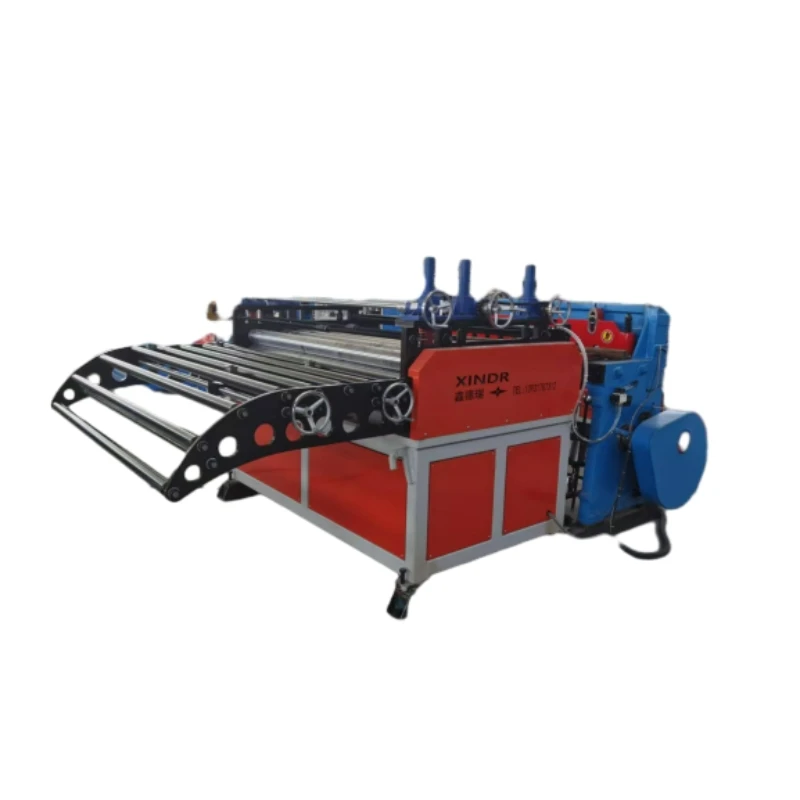
At its core, an automatic welding machine factory is a manufacturing facility where welding processes are carried out primarily using automated machinery rather than manual labor. These machines perform repetitive, high-accuracy welding tasks with minimal human oversight, streamlining production lines. The connection to modern industry is obvious: in a world pushing for speed, precision, and reduced labor costs, automation fits like a glove.
From humanitarian projects requiring quick assembly of metal structures to automotive plants building thousands of vehicles per day, automatic welding machine factories underpin the backbone of industrial efficiency.
Core Components and Key Factors in Automatic Welding Machine Factories
1. Durability and Reliability
Automatic welding equipment must withstand long hours of continuous operation. Factories prioritize machines built from high-strength components with robust cooling and lubrication systems. This ensures minimal downtime.
2. Scalability and Flexibility
A great factory setup can quickly switch welding parameters or configurations depending on product variations. This flexibility cuts costs and helps manufacturers respond to market changes.
3. Precision Welding Technology
Technologies such as TIG, MIG, or laser welding integrated into automatic machines bring unmatched accuracy. For industries like aerospace or medical equipment, this makes all the difference.
4. Cost Efficiency and Labor Optimization
Beyond upfront gear costs, savings come from reduced errors, less wasted materials, and lower labor expenses. It’s a win-win, especially as manufacturers face rising labor costs globally.
5. Integration with Digital Systems
Modern factories increasingly tether welding machines to IoT and data analytics. This real-time monitoring aids predictive maintenance and improves product quality over time.
Mini takeaway: The automatic welding machine factory isn’t just a warehouse of machines — it’s a sophisticated system blending reliability, adaptability, and smart technology.
How Automatic Welding Machine Factories Are Changing Industry Worldwide
From China’s coastal manufacturing hubs to Germany’s automotive belt, automatic welding machine factories have become vital cogs in industrial infrastructures. In regions like Southeast Asia, these factories boost manufacturing speed to capitalize on export demands. In North America, they're central in aerospace and automotive sectors focused on precision and compliance.
Take, for instance, a factory producing pipeline segments for offshore oil rigs. Automatic welding ensures robust, leak-proof joints under strict quality control — something manual labor just can't guarantee at scale. Or, consider disaster relief operations where automated production lines build steel shelters quickly and efficiently, saving precious time.
Automatic Welding Machine Factory Product Specification
| Specification | Typical Values | Notes |
|---|---|---|
| Welding Types | MIG, TIG, Laser, Spot | Varies per machine model |
| Automation Level | Semi-automatic to fully automatic | Depends on factory setup |
| Max Welding Speed | Up to 3 m/min | Material and technique dependent |
| Power Supply | 220V–480V, 50/60Hz | Industrial-grade |
| Integration | IoT Sensors, PLC Systems | Supports Industry 4.0 |
Comparing Leading Automatic Welding Machine Factory Vendors
| Vendor | Automation Level | Material Compatibility | Price Range | Support/Training |
|---|---|---|---|---|
| XDR Machinery | Full | Steel, Aluminum, Stainless | $$$ | Comprehensive on-site & remote |
| WeldPro Solutions | Semi | Steel, Titanium | $$ | Standard remote help |
| AutoWeld Tech | Full | Steel, Aluminum | $$$$ | Premium support & training |
Advantages and Long-Term Value of Automatic Welding Machine Factories
Why are so many manufacturers switching? First, automation significantly cuts error rates, which translates to less scrap and rework. It also improves worker safety, since machines take on hazardous welding conditions. For those who’ve personally witnessed a welding spark mishap, this benefit alone is huge.
Beyond the immediate cost savings, automatic welding factories foster trust — both within supply chains and among end consumers. They offer sustainable advantages, too, as optimized welding means less material waste and energy-efficient operations. Personally, this combination of economic and social value feels like the kind of innovation we can root for.
Emerging Trends and Innovations Shaping the Future
Frankly, things are heating up (pun intended) in this space. The push toward green energy-compatible machines is evident, with solar-powered factory setups cropping up for remote sites. Plus, digital twin technology — creating virtual models of welding processes — allows real-time adjustments that cut defects even further.
The integration of AI-powered vision systems for weld quality inspection is also gaining momentum, enabling factories to self-correct without human intervention. The trends point to a future where "smart factories" run like well-oiled machines — quite literally.
Challenges and Solutions in Implementing Automatic Welding Machine Factories
That said, hurdles exist. The initial cost of fully automated setups can be intimidating, especially for small to medium manufacturers. Skilled technicians to operate and maintain these advanced machines can be scarce in some areas.
But the landscape’s improving. Leasing models, vendor training programs, and modular machine designs make gradual adoption realistic. Companies like automatic welding machine factory suppliers offer tailored solutions, easing transitions and providing ongoing support.
FAQ: Your Questions About Automatic Welding Machine Factories Answered
- Q1: How do automatic welding machine factories improve production times?
- Automatic machines weld consistently without breaks, significantly reducing cycle times versus manual processes. This leads to higher throughput and faster delivery of finished goods.
- Q2: Can automatic welding handle complex custom projects?
- Yes, modern machines offer programmable flexibility to adjust welding parameters for complex shapes and materials. While simple auto setups excel at repetitive tasks, advanced CNC-integrated machines support high customization.
- Q3: What industries benefit most from automatic welding machine factories?
- Key beneficiaries include automotive, aerospace, construction, oil & gas, and shipbuilding. Anywhere high volume and precise welds are needed, automation saves time and increases quality.
- Q4: How do these factories contribute to workplace safety?
- Automation reduces worker exposure to harmful fumes, intense heat, and UV radiation typical in manual welding, lowering injury risks and improving overall conditions.
Conclusion: The Lasting Promise of Automatic Welding Machine Factories
Automatic welding machine factories represent the inevitable future of industrial manufacturing — blending speed, quality, and safety in ways manual methods simply can’t match. Their ability to boost scalability and integrate with smart systems makes them a must for next-level production. Whether you’re in automotive, infrastructure, or specialized metalwork, tapping into this technology is like securing a competitive edge that lasts.
To explore leading solutions and boost your operations, visit automatic welding machine factory experts at XDR Machinery.
References
-
210l steel drums for sale: choosing between two welding machinesNewsNov.09,2026
-
Steel Drum Welding Machine FAQ: Utilities, Materials and Parts PlanningNewsNov.02,2026
-
Automatic Seam Welding Machine Comparison: Forward Feed Tank vs. 1.8-Meter Model — Operating Requirements, Interfaces and MaintenanceNewsOct.28,2026
-
Choosing a Hydraulic Sealing Machine: Working Requirements and Integration FitNewsOct.27,2026
-
Choosing a Corrugated Metal Elbow Production Line: Application Fit and Specification ChecksNewsOct.22,2026
-
Precision Engineering with 3 roll plate bending machine GuideNewsJul.01,2026
-
Precision Engineering and Efficiency with Automatic Conduit BenderNewsJun.29,2026
-
 Fully Automatic Kaiping Production LineOct . 17, 2024
-
 Automatic Rolling MachineSep . 14, 2024
-
 Hydraulic Flanging MachineSep . 14, 2024