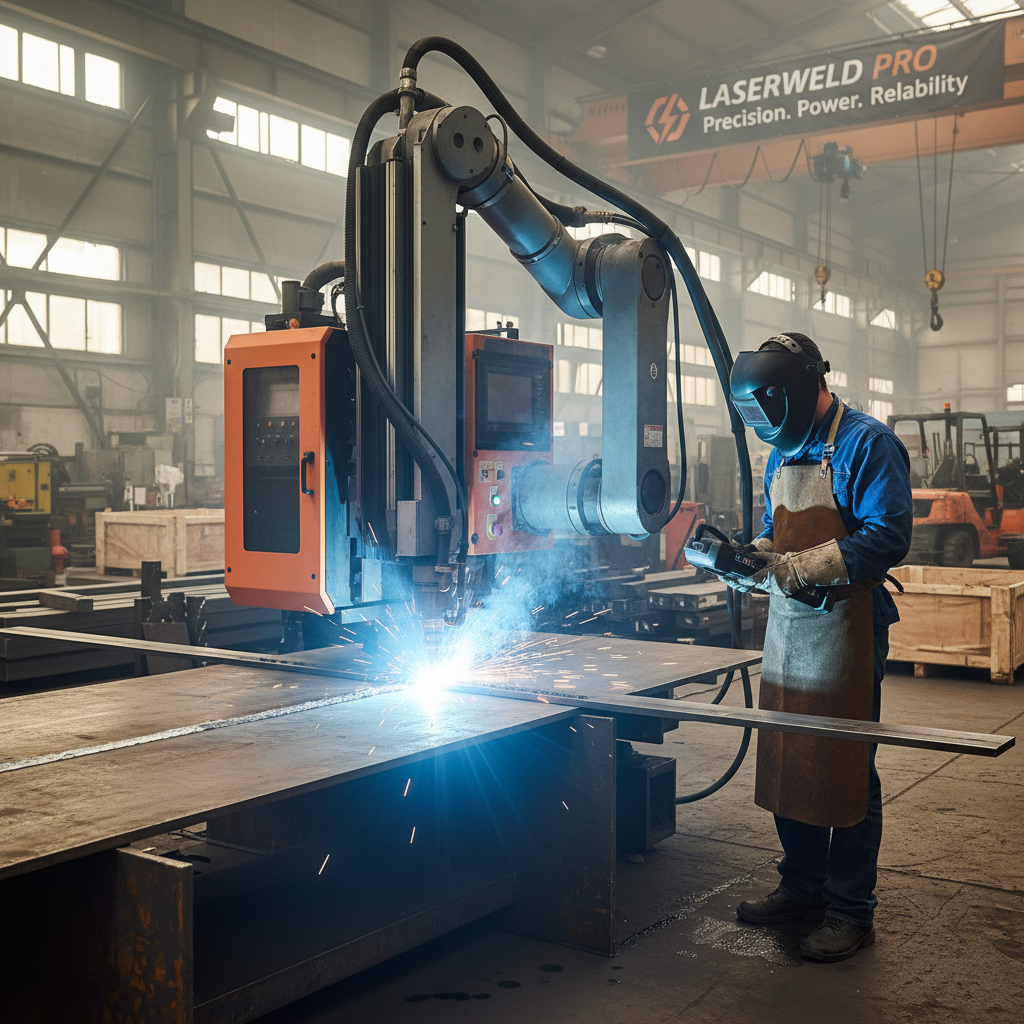
Finding cheap steel drums for sale often leads buyers to a critical crossroads between immediate cost savings and long-term structural integrity. In the metal container manufacturing industry, the pursuit of "cheap" must be balanced against the specific chemical compatibility, pressure ratings, and durability requirements of the stored medium.
Whether you are sourcing containers for industrial lubricants, chemical solvents, or agricultural products, the total cost of ownership is determined more by the manufacturing precision—such as the quality of seam welding and handle attachment—than by the initial purchase price. A budget-friendly drum that fails during transport represents a far greater cost than a premium one.
This guide analyzes the technical drivers of cost in steel drum production and provides a procurement framework to help businesses secure economical yet reliable containment solutions without compromising safety standards.

Decoding the Cost Structure of Metal Container Production

The price of steel drums is primarily driven by raw material volatility and the efficiency of the production line. In the metal products industry, the shift from manual assembly to fully automatic seam welding machines has significantly lowered the per-unit cost, making "cheap" options more viable without necessarily sacrificing quality.
Cost efficiency is achieved through the integration of high-speed equipment, such as pneumatic handle welding machines and automated bending systems, which reduce labor overhead and minimize material waste during the forming process. When a manufacturer utilizes a streamlined Metal Barrels Equipment Production Line, they can pass those operational savings to the buyer.
However, buyers must distinguish between "cost-optimized" and "low-quality." Cost-optimized drums utilize efficient manufacturing workflows, whereas low-quality drums often cut corners on steel gauge or welding penetration, leading to premature leakage or structural collapse under load.
Technical Factors Influencing Steel Drum Durability and Price
The structural integrity of a steel drum depends on three critical technical points: the seam weld, the chime (the rim), and the handle attachment. Resistance welding equipment ensures that the seams can withstand internal pressures and external impacts, a feature often omitted in the cheapest market offerings.
For handles and lifting ears, the use of specialized forming machines—like the ZDW-1500 model—ensures that the wire diameter (typically 6-7mm) is bent with servo-controlled precision. This prevents stress fractures at the bend points, which is a common failure point in drums produced with manual bending tools.
Additionally, the choice of material—carbon steel, galvanized steel, or stainless steel—drastically alters the price. While carbon steel is the most economical, the application of an interior epoxy lining can provide the chemical resistance of more expensive materials at a fraction of the cost.
Industrial Application Scenarios for Economical Steel Drums
Economical steel drums are highly effective in scenarios where the stored medium is non-corrosive and the transport distance is short. For instance, the storage of industrial lubricants or heavy oils in a warehouse setting does not require the extreme specifications of military-grade barrels.
In the agricultural sector, these containers are frequently used for fertilizers or seed storage, where the primary requirement is physical protection and moisture exclusion rather than high-pressure containment. Here, the cost-to-performance ratio of a standard industrial drum is optimal.
Conversely, for the transport of hazardous chemicals or flammable solvents, the "cheap" option is often a liability. These applications require strictly certified seam welding and airtight seals, typically produced by high-end fully automatic seam welding machines to ensure zero-defect output.
Evaluating Manufacturing Precision via Performance Benchmarks
To quantify the difference between standard and precision-manufactured drums, we look at leakage rates and load-bearing capacity. Drums produced with servo-controlled welding and bending exhibit significantly higher consistency across large batches.
The following data compares traditional manual-heavy production against automated production lines in terms of key quality indicators. Automation reduces the variance in weld thickness and handle strength, which are the two primary causes of container failure.
cheap steel drums for sale Performance Metrics
As indicated, the shift to automated systems increases the "Weld Consistency" and "Handle Strength" while drastically reducing the "Defect Rate." This proves that "cheap" drums produced via automation are technically superior to those produced via legacy manual methods.
Strategic Procurement Guidelines for Industrial Drum Sourcing
When searching for economical steel drums, procurement officers should move beyond the unit price and evaluate the manufacturer's equipment list. A supplier utilizing a fully automatic production line is more likely to offer a stable, low-cost product than one relying on intermittent manual labor.
Key verification questions should include: Is the seam weld continuous or intermittent? What is the wire gauge of the handles? Are the bending angles servo-controlled? These technical details determine whether the drum will warp under the weight of its contents.
Additionally, consider the logistics cost. Sourcing from a manufacturer with an integrated production line—like those provided by Hebei Xindrui Machinery—often results in better bulk pricing due to higher throughput and lower internal waste.
Automation Trends in Metal Packaging and Cost Reduction
The industry is currently moving toward "Smart Manufacturing," where PLC-controlled devices and digital touch screens allow for rapid changeovers between different drum sizes (e.g., 10L to 200L). This flexibility allows manufacturers to run smaller, customized batches at costs previously only available for mass production.
Laser welding equipment is also beginning to penetrate the mid-market, offering even tighter seals and faster processing speeds than traditional resistance welding. This transition is likely to further drive down the cost of high-performance steel drums over the next few years.
Furthermore, the integration of servo-motor drives in feeding and cutting systems reduces energy consumption and noise, lowering the operational overhead for the factory and potentially reducing the end-user price for the containers.
Comparative Analysis of Drum Sourcing Strategies
Choosing the right sourcing strategy depends on the balance between budget constraints and the criticality of the stored material. Not all "cheap" options are created equal; the method of production defines the risk profile.
The table below compares four different sourcing approaches based on production technology and intended use case to help buyers make an informed decision.
| Sourcing Strategy | Production Tech | Primary Use Case | Risk Level |
|---|---|---|---|
| Budget-Generic | Manual Welding | Short-term dry storage | High (Leakage) |
| Automated-Economy | Automatic Seam Weld | Industrial Lubricants | Low (Consistent) |
| Precision-Spec | Servo-Controlled | Chemical Transport | Very Low (Certified) |
| Custom-Engineered | Laser Welding | Specialty Pharma | Minimal (High-End) |
| Refurbished Steel | Manual Patching | Internal waste bins | Medium (Structural) |
| Bulk-Industrial | Integrated Line | General Manufacturing | Low (Balanced) |
Ultimately, the most cost-effective strategy is to source from manufacturers who invest in automated equipment, as this ensures the lowest defect rate per thousand units, minimizing the hidden costs of product loss and environmental cleanup.
Frequently Asked Questions
Conclusion
The search for cheap steel drums for sale should not be a race to the bottom, but a search for manufacturing efficiency. The most economical drums are those produced by companies that have replaced manual labor with high-precision automation, such as servo-driven bending and automatic seam welding.
By focusing on the technical capabilities of the supplier and the specific needs of the application, businesses can significantly reduce their packaging costs without exposing themselves to the risks of container failure. For those evaluating production equipment or sourcing high-quality containment solutions, further technical details and company capabilities are available through www.xdrmachine.com.