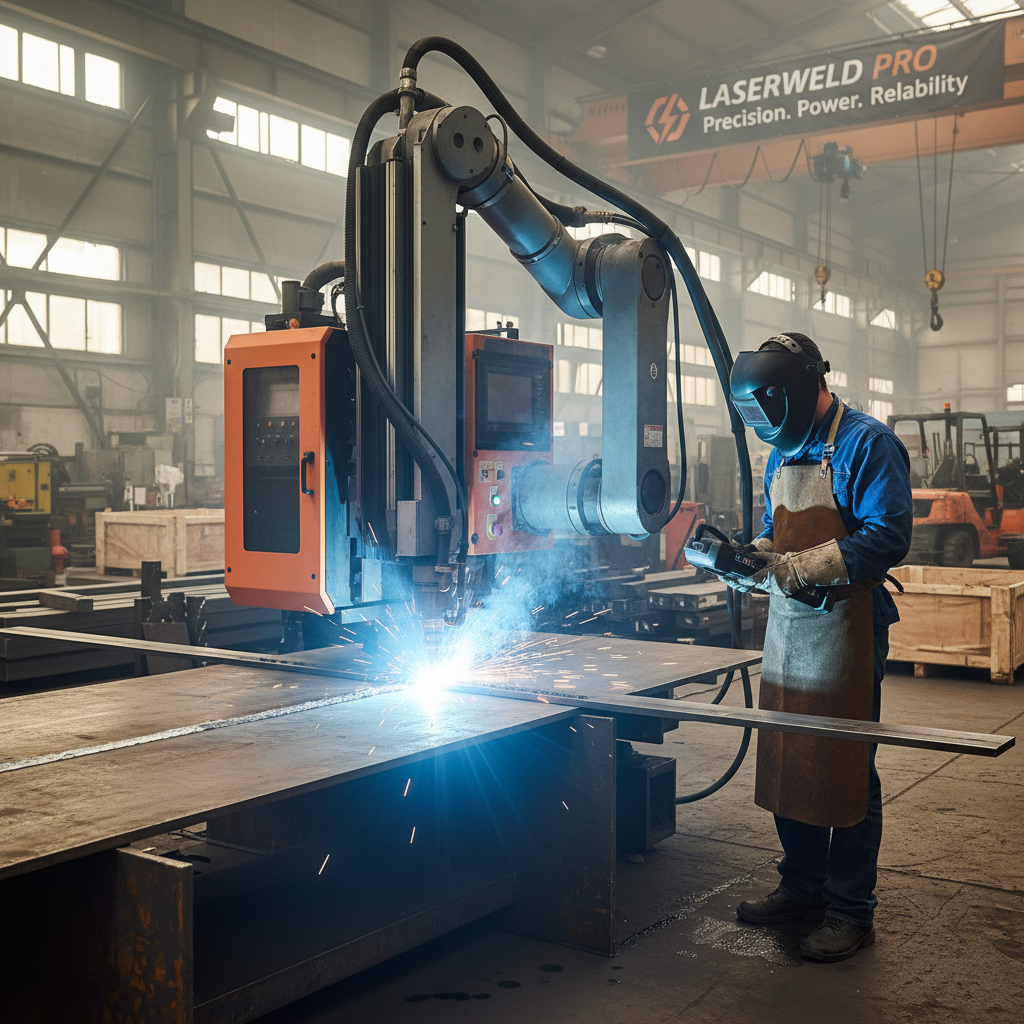
Selecting the right bending machine suppliers is a critical decision for manufacturers in the metal container and fabrication sectors, where precision and durability directly impact product quality. In the metal products industry, the ability to achieve consistent angles and seamless joints determines the operational lifespan of items ranging from chemical barrels to automotive exhaust systems.
Many procurement managers struggle with the trade-off between high-speed automated production and the flexibility required for non-standard custom orders. This challenge is amplified when sourcing equipment that must integrate with existing welding lines or handle diverse materials like stainless steel and cold plates without increasing scrap rates.
This analysis provides a comprehensive framework for evaluating equipment capabilities, matching technical specifications to specific metal container applications, and identifying the key operational markers that distinguish high-performance machinery from generic alternatives.

Understanding the Role of Bending Machinery in Metal Container Production

Bending machinery serves as the foundational step in transforming flat metal sheets or pipes into structural containers. In the context of metal container manufacturing, the bending process is not merely about changing shape, but about maintaining structural integrity. Whether producing a 200L chemical barrel or a complex corrugated elbow, the precision of the bend prevents material fatigue and ensures that subsequent welding processes are seamless.
Hebei Xindrui Machinery focuses on these critical transitions, providing specialized equipment such as chimney bend wave machines and bending machines that support the production of smoke pipes and exhaust systems. By integrating bending with automated cutting and welding, manufacturers can reduce manual handling, which significantly lowers the risk of deformation and surface damage during the production cycle.
Critical Technical Specifications for Precision Bending
When evaluating bending machine suppliers, technical parameters must be matched to the raw material specifications. For instance, processing stainless steel or cold plates requires machinery capable of handling specific thickness ranges—such as those up to 0.8mm—without creating burrs or incisions. The ability to adjust the processing diameter (e.g., 50-150mm for round pipes) is essential for manufacturers who serve multiple market segments.
Another vital specification is the angular flexibility. Professional elbow machines must be capable of processing angles from 0 to 90 degrees with high repeatability. This versatility allows a single production line to serve various needs, from civilian chimneys to car exhaust pipes, simply by adjusting the machine settings or replacing molds for rapid changeover.
Application Analysis: From Exhaust Pipes to Industrial Barrels
The application of bending and welding technology varies significantly across the metal container industry. In the production of automotive components, such as car mufflers and fuel tanks, the emphasis is on tight tolerances and leak-proof joints. Bending machines here must work in tandem with resistance welding equipment to ensure that irregular workpieces are sealed perfectly.
Conversely, in the manufacture of large-scale containers like paint barrels or chemical drums (10L-200L), the focus shifts to structural uniformity and volume consistency. The use of fully automatic seam welding machines combined with precise rolling and bending ensures that the containers can withstand internal pressure and external handling without compromising the seal.
Evaluating Production Efficiency and Throughput Metrics
Production efficiency in metal fabrication is measured by the reduction of manpower and material loss. Automated systems significantly outperform manual bending and welding by increasing the speed of forming and ensuring a "burr-free" incision. The following conceptual index illustrates the relative impact of different automation levels on key operational metrics.
This relative evaluation shows that while initial investment in fully automatic production lines is higher, the normalized score for waste reduction and speed is significantly superior. For manufacturers of water heater exhaust pipes or solar water tanks, these efficiency gains translate directly into lower per-unit costs and faster market delivery.
Strategic Supplier Evaluation Criteria
Procuring from bending machine suppliers requires a look beyond the base price. A critical factor is the "one-stop" supply capability. A supplier that can provide the entire production line—including laser cutting machines, pipe expansion machines, and contraction machines—reduces the technical risk associated with integrating equipment from different vendors.
Furthermore, the quality of electrical and mechanical components is a primary indicator of long-term reliability. Prioritizing suppliers who use imported high-quality components ensures that the machinery can maintain high-speed operation without frequent downtime, which is essential for high-volume production of items like industrial heartburn pots or vacuum cleaner housings.
Common Implementation Risks and Mitigation
One of the most frequent errors in equipment deployment is the failure to account for material spring-back, especially when working with high-strength stainless steel. This results in incorrect angles and increased waste. To mitigate this, buyers should seek machinery with adjustable processing parameters and precise mold systems that allow for rapid calibration.
Another risk is the bottleneck created by fragmented workflows. For example, using a high-speed bending machine but a slow manual cutting process negates the efficiency of the automation. The solution lies in adopting a synchronized production line where the flying saw or laser cutting is matched to the forming speed of the bending and welding units.
Equipment Selection Framework for Metal Fabrication
Choosing the right configuration depends on the target product and the required volume. The following framework compares three common approaches to metal pipe and container fabrication to help buyers align their investment with their operational goals.
| Approach Type | Key Capability | Ideal Application | Primary Consideration |
|---|---|---|---|
| Fully Automatic Line | High-speed throughput | Standardized exhaust pipes | Higher initial CAPEX |
| Modular Bending Cell | High flexibility | Custom automotive parts | Higher labor per unit |
| Specialized Seam Welding | Hermetic sealing | Chemical/Paint barrels | Material thickness limits |
| Integrated Pipe Line | End-to-end processing | Civilian chimneys | Floor space requirements |
| Pneumatic Spot Welding | Rapid irregular joining | Mesh baskets/Cabinets | Precision of placement |
| Corrugated Elbow Line | Angle specialization | Expansion joints | Mold changeover speed |
By utilizing this decision matrix, manufacturers can avoid over-investing in capacity they don't need or under-investing in technology that will limit their growth. The transition from manual to automated bending and welding is a strategic move that should be based on these specific application requirements.
Frequently Asked Questions
Many professional machines, such as those provided by Xindrui, can process stainless steel and cold plates with a thickness of up to 0.8mm, ensuring a balance between strength and weldability.
Selecting suppliers who offer quick-change mold systems allows for rapid transitions between specifications, minimizing downtime when switching between different pipe diameters.
Machines capable of precise 0-90 degree adjustments and those integrated with high-quality resistance welding are ideal for the complex shapes and leak-proof requirements of car exhaust pipes.
A one-stop supplier provides synchronized equipment (cutting, bending, welding, expanding), which eliminates compatibility issues and simplifies after-sales service and technical support.
Yes, professional manufacturers can provide solutions for square and irregular barrels, including specialized rolling and bending equipment tailored to specific drawings or samples.
Automation reduces manpower costs and material waste through precise cutting and forming, significantly lowering the unit cost of ventilation pipes and ducts in high-volume production.
Conclusion
Optimizing the production of metal containers requires a strategic alignment between machinery capabilities and the specific demands of the end product. From the precision of an elbow bend in an exhaust pipe to the structural integrity of a 200L industrial barrel, the choice of bending machine suppliers determines the operational efficiency and product quality of the entire manufacturing facility.
For organizations looking to upgrade their production capacity or implement new metal container lines, detailed technical specifications and a comprehensive equipment ecosystem are essential. Further information on integrated bending and welding solutions can be found at www.xdrmachine.com to help align equipment procurement with long-term production goals.