-
 8613931787312
-
 Botou Industrial Zone on the east side of National Highway 104, Botou City, Hebei Province


Reliable Automatic Welding Machine Supplier for Efficient Industrial Automation
Why Understanding the Role of an Automatic Welding Machine Supplier Matters Globally
Welding — the very act of joining metals — is something that quietly holds our modern world together, literally. From the cars we drive to the skyscrapers piercing city skylines, the process is essential. But what keeps welding efficient, consistent, and scalable is automation. Hence, the phrase automatic welding machine supplier carries weight across industries, borders, and economies. Understanding this supplier’s role gives insight into a critical supply chain that keeps everything from infrastructure projects in Asia to pipeline construction in North America moving forward.
Today’s global market demands precision, durability, and speed, and automatic welding machines fulfill these needs like clockwork. Their deployment can influence economic growth, improve safety standards, and even aid humanitarian missions in disaster-stricken regions. That’s why cracking open the world of automatic welding machine suppliers uncovers a remarkable intersection of technology and human progress.
The Global Landscape: Why Automatic Welding Machines Matter Now More Than Ever
The welding industry is on a steady upswing, with the International Organization for Standardization (ISO) highlighting welding as a pillar for sustainable industrial development. According to the World Bank, infrastructure projects worldwide demand faster construction methods to meet urbanization trends projected to add 2.5 billion people to cities by 2050.
Yet, challenges linger around quality control, labor shortages, and the need to minimize environmental impact. Enter automatic welding machine suppliers, who innovate solutions that combat these roadblocks. By enabling continuous operations, reducing human error, and supporting greener technologies, they fuel not just factories but entire economies. Oddly enough, in some remote industrial zones, these machines are almost lifelines, where skilled welders are scarce.
What Exactly Is an Automatic Welding Machine Supplier?
Simply put, an automatic welding machine supplier is a company or entity that provides machinery capable of performing welding tasks with minimal human intervention. Whether it’s arc welding, laser welding, or robotic welding arms, these suppliers deliver hardware and services that help manufacturers automate complex joins consistently.
This automation ties into modern industrial trends like Industry 4.0, where machines communicate, self-correct, and optimize workflows. Beyond factories, their utility extends to humanitarian spheres — for example, producing durable shelters or water tanks quickly and efficiently after natural disasters, saving lives and livelihoods.
Key Components and Factors to Consider
Durability and Reliability
Manufacturers want machines that won’t quit midway through a mega project. High-quality parts and robust designs mean less downtime and fewer repairs. It’s no surprise that many suppliers focus heavily on material quality and software stability.
Scalability and Flexibility
The ability to switch between different welding tasks—thicknesses, metals, and speeds—makes a supplier attractive to industries like automotive, shipbuilding, or energy sectors. Flexibility speaks to cost saving and adaptability over time.
Cost Efficiency
Initial expenses can be intimidating, but over time, automated machines lower labor costs and increase throughput. Plus, fewer defective welds mean money saved on rework. It’s a long game where upfront investments pay off.
Technological Integration
Some suppliers offer digital interfaces or cloud-connected systems, allowing remote monitoring and predictive maintenance—little features that, frankly, separate the leaders from followers.
Environmental Considerations
With industries pushing for greener operations, suppliers providing energy-efficient models or cleaner welding methods get a leg up.
| Specification | Details |
|---|---|
| Welding Process | MIG/MAG, TIG, Plasma Arc |
| Power Supply | 220V/380V, 50-60Hz |
| Max Thickness Welded | Up to 25mm Steel |
| Speed | 0.5–3 m/min adjustable |
| Automation Level | Semi-automatic to Fully automatic |
| Interface | Touchscreen, Remote Monitoring |
Where Automatic Welding Machines Really Shine: Global Applications
You might think of welding machines just in factories, but their footprint is much larger. Heavy industries like automotive manufacturing in Germany and Japan rely heavily on automated welding, while oil and gas sectors in the Middle East use these for pipeline construction under harsh conditions.
In rebuilding efforts post-natural disasters, such as flooding in Southeast Asia, these machines accelerate the manufacture of steel frames for shelters. Meanwhile, remote mining operations in Canada value the ability to deploy flexible welding machines that can be operated with minimal oversight — a real game-changer.
It’s quite interesting to see this technology boost not just profit margins but social resilience. Industries, governments, and NGOs all benefit, even if they don’t always mention these machines by name.
Mini Takeaway:
Efficiency, flexibility, and reach are why automatic welding machine suppliers remain pivotal across regions and sectors alike.
Advantages and Long-Term Value
- Cost Savings: Less labor, fewer errors, more consistent output.
- Sustainability: Reduced energy consumption and waste.
- Safety: Minimizes human exposure to hazardous environments.
- Innovation: Continuous improvements in welding quality and adaptability.
- Trust & Reliability: Predictable performance cultivates long-term partnerships.
All these factors intertwine with the human element—workers feel safer, companies sustain growth, and customers get reliable products. It’s a ripple effect that’s quite rewarding to observe.
Looking Forward: Trends and Innovations on the Horizon
Digital transformation is reshaping the welding sector. Augmented reality platforms enable operators to guide robots remotely. Energy efficiency is trending up, with more electric-driven welders pushing down emissions. Suppliers who embrace green policies and modular machines connected via IoT (Internet of Things) technologies are the ones to watch.
Automation’s future also includes AI-driven weld seam inspection, cutting down defective work drastically. For an automatic welding machine supplier, keeping pace with these changes isn’t just good business—it’s survival.
Challenges and Their Solutions
Despite progress, hurdles remain. High upfront costs deter smaller shops. Skill gaps in programming and maintenance can cause downtime. Also, harsh environments challenge machine longevity. Many suppliers are now offering rental models, training programs, and ruggedized units to counteract these issues.
Industry experts recommend collaborative efforts: suppliers, manufacturers, and tech developers working as one. Frankly, nobody solves these challenges alone anymore.
| Supplier | Product Range | Tech Innovations | Global Reach | Sustainability Efforts |
|---|---|---|---|---|
| WeldPro Inc. | Full automation + robotics | AI inspection, IoT monitoring | Americas, Europe | Carbon-neutral plants |
| AutoWeld Solutions | Semi-auto machines, MIG/TIG | Remote diagnostics | Asia-Pacific focus | Energy-efficient models |
| Global WeldTech | Modular automatic units | Cloud-based controls | Global presence | Recycled components |
Top Questions About Automatic Welding Machine Suppliers
- Q: How can I choose the right automatic welding machine supplier for my industry?
- A: Focus on your specific welding needs—metal types, production volume, and automation level. Evaluate suppliers based on their product range, after-sales support, and how well their machines integrate with existing workflows. Checking customer reviews and requesting demos is a practical step.
- Q: Are automatic welding machines suitable for small to medium enterprises (SMEs)?
- Yes, many suppliers now offer modular, scalable solutions designed with SMEs in mind. Rental options and financing choices make these machines more accessible, bridging the gap between traditional welding and full automation.
- Q: How does automation impact welding quality and worker safety?
- Automation reduces human error and exposure to hazardous fumes or environments, thus enhancing quality and safety. It allows skilled welders to focus on oversight rather than repetitive manual tasks.
- Q: Is it possible to customize welding machines based on specific project requirements?
- Absolutely. Many automatic welding machine suppliers offer tailored solutions, including adjustable welding speeds, robotic arms with variable reach, and software configurations to match your project needs.
Wrapping It Up: Why It Pays to Partner With a Good Automatic Welding Machine Supplier
In the grand scheme, choosing the right automatic welding machine supplier isn’t just a transaction; it’s a commitment to innovation, reliability, and a smarter future. These machines help industries grow sustainably while improving safety and quality worldwide. To explore options tailored to your needs, visit our website and discover how automation can transform your welding challenges into efficient solutions.
Quick Takeaway
The right supplier can dramatically cut costs, elevate quality, and future-proof your production — all while supporting global modernization efforts.
References
-
210l steel drums for sale: choosing between two welding machinesNewsNov.09,2026
-
Steel Drum Welding Machine FAQ: Utilities, Materials and Parts PlanningNewsNov.02,2026
-
Automatic Seam Welding Machine Comparison: Forward Feed Tank vs. 1.8-Meter Model — Operating Requirements, Interfaces and MaintenanceNewsOct.28,2026
-
Choosing a Hydraulic Sealing Machine: Working Requirements and Integration FitNewsOct.27,2026
-
Choosing a Corrugated Metal Elbow Production Line: Application Fit and Specification ChecksNewsOct.22,2026
-
Precision Engineering with 3 roll plate bending machine GuideNewsJul.01,2026
-
Precision Engineering and Efficiency with Automatic Conduit BenderNewsJun.29,2026
-
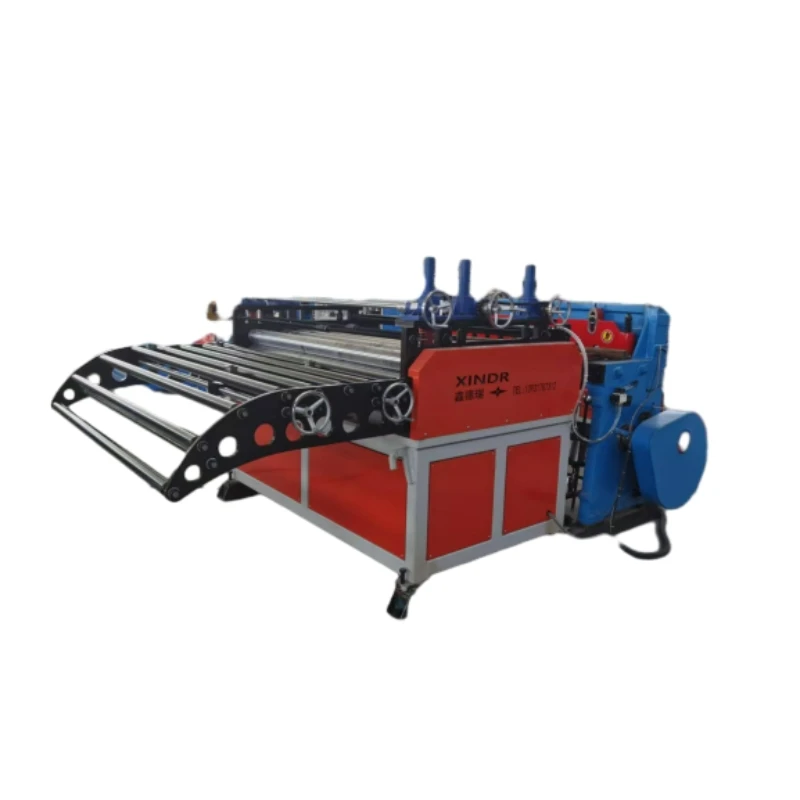 Fully Automatic Kaiping Production LineOct . 17, 2024
-
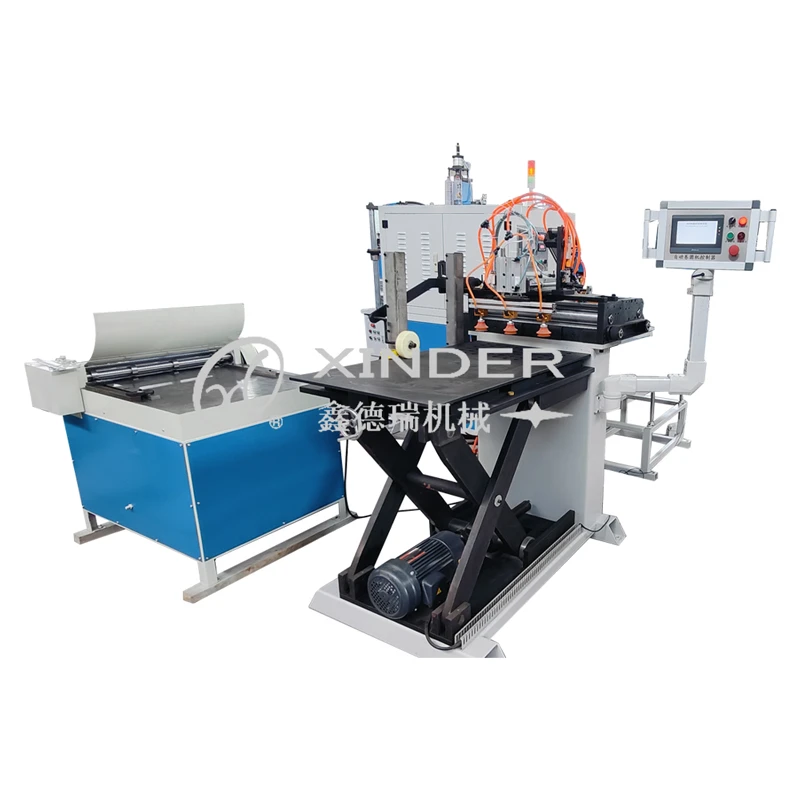 Automatic Rolling MachineSep . 14, 2024
-
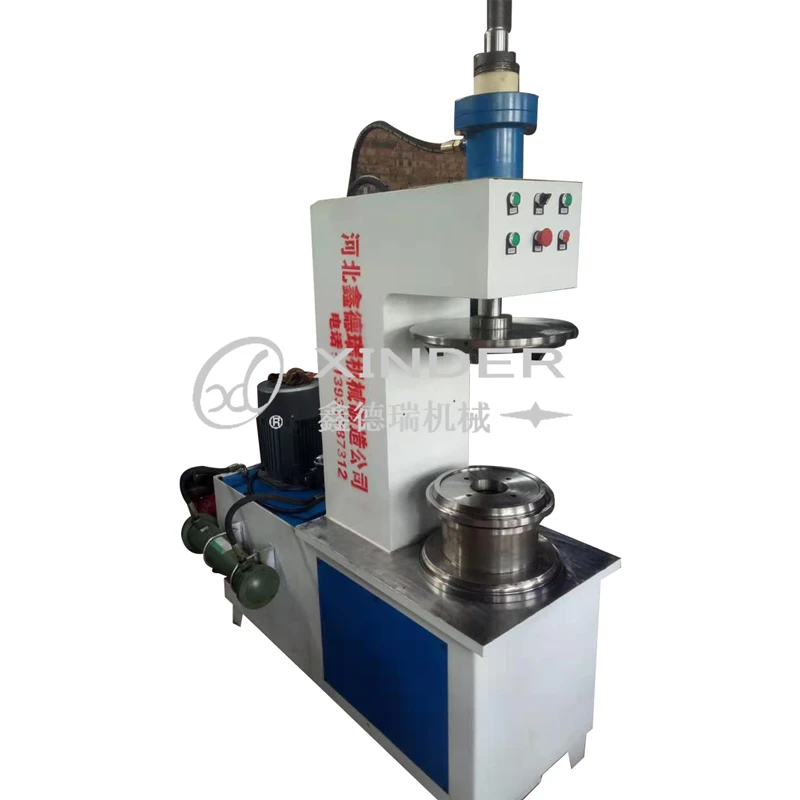 Hydraulic Flanging MachineSep . 14, 2024