-
 8613931787312
-
 Botou Industrial Zone on the east side of National Highway 104, Botou City, Hebei Province


Top Automatic Welding Machine Suppliers for Efficiency and Quality | XDR Machinery
Understanding Automatic Welding Machine Suppliers: Why It Matters Today
If you’ve ever watched a giant shipyard, skyscraper, or automotive plant at work, you might have caught a glimpse of welding sparks flying — fast, precise, and relentless. Behind those bursts of energy lie automatic welding machines: the workhorses replacing manual welders in industries worldwide. But it’s not just about sparks and heat; it’s about reliability, scale, and meeting an ever-growing demand for high-quality joints at speed.
Globally, industries that rely on manufacturing, construction, oil and gas, and even renewable energy sources depend heavily on these machines. And that’s where automatic welding machine suppliers come in. They are crucial for innovation, economic growth, and, frankly, the very infrastructure that shapes modern life.
So why does understanding this network of suppliers truly matter? For one, it’s about ensuring sustainable and efficient production lines. For another, it’s about ensuring that industries—from local fabricators to multinational manufacturers—can access tailored, quality equipment that meets their unique needs.
The Global Stage: Why Automatic Welding Machine Suppliers Are Vital
According to the International Organization for Standardization (ISO), industrial automation has seen a steady annual growth of over 10% worldwide, with welding automation leading much of that charge (ISO, 2023). The United Nations Industrial Development Organization also highlights manufacturing as a key pillar of economic stability and infrastructure development globally.
Yet, here’s a paradox. While demand for welding automation skyrockets, many industries — especially in emerging markets — face difficulties sourcing reliable equipment fast enough or affordable enough to stay competitive. This bottleneck impacts everything from local job creation to global supply chains.
Automatic welding machine suppliers are the unsung heroes tackling these challenges. By offering a range of automated solutions—from robotic welders to line-integrated systems—they accelerate manufacturing capabilities across sectors and continents.
What Are Automatic Welding Machine Suppliers?
Simply put, these suppliers specialize in providing automatic welding machines, which are mechanized systems that perform welding tasks with minimal human intervention. This ranges from basic seam welders to complex robotic arms capable of multi-axis movement.
They are the middlemen connecting high-tech welding system manufacturers with the end users—industries needing consistent, cost-efficient welding solutions. This ecosystem also includes after-sales support, customization, and integration consulting, making these suppliers key players in modern manufacturing and humanitarian projects alike.
Their products contribute substantially to building safe infrastructure, repairing essential equipment, and enabling innovations in sectors such as renewable energy, where precision welding is critical.
Core Features Driving Supplier Choice
1. Durability and Quality Assurance
Many engineers emphasize that an automatic welding machine's lifespan and reliable output often hinge on supplier quality controls. Suppliers with rigorous testing protocols tend to provide machines that last longer under harsh factory conditions.
2. Scalability and Customization
Industries grow, and so do their welding needs. Top suppliers offer scalable solutions—modular machine setups or programmable units that grow alongside production demands.
3. Cost Efficiency over Time
At first glance, an automated welder might seem expensive. But consider total cost of ownership: less labor, consistent quality, reduced waste, and downtime. Leading suppliers help businesses optimize budgets through durable offerings and energy-efficient technology.
4. Technical Support and Training
The best suppliers don’t just drop off machines and disappear—they provide detailed manuals, training sessions, and ongoing support. For less experienced teams, this can spell the difference between success and stalled projects.
5. Compatibility With Industry Standards
Compliance with ISO welding standards, safety protocols, and environment regulations enhances trust. Suppliers well-versed in global standards streamline adoption and reduce compliance risks.
Where Do These Machines Make the Biggest Impact?
This isn’t just an industrial luxury; it’s a necessity in many regions and situations.
- Automotive Industry: Beyond car frames, automatic welders assemble battery packs for EVs, where precision is non-negotiable.
- Energy Sector: Pipelines, wind turbines, and offshore platforms rely heavily on these machines for creating strong, leak-proof joints.
- Construction in Urban and Remote Areas: From skyscrapers in New York to bridges in rural Asia, automated welders speed up fabrication and assembly.
- Disaster Relief and Humanitarian Engineering: Rapid infrastructure repair often exploits automated welding to rebuild shelters and essentials fast.
For example, in post-earthquake reconstruction efforts in Nepal, automated welders provided by trusted suppliers helped teams rebuild metal frame shelters within weeks rather than months.
Advantages and Long-Term Value of Partnering With Reliable Suppliers
Think of the benefits beyond just technical specs:
- Cost Savings: Less manual labor, fewer errors, and fast turnaround.
- Consistency & Safety: Automated welds mean less human exposure to hazards like fumes or electrical arcs.
- Sustainability: New-generation welders are increasingly energy-efficient, aligning with global green manufacturing trends.
- Innovation: Cutting-edge tech, including AI-assisted process control, enhances product quality and traceability.
Emotionally, companies feel more confident knowing their welding needs rest on stable, trustworthy supplier relationships—this builds trust, and that’s big in industrial partnerships.
The Future Is Automated and Intelligent: Trends in Welding Supply
What’s just beginning to unfold looks pretty exciting.
- AI and Machine Learning: Some suppliers now offer welders that learn and optimize on the fly, adapting to material variations.
- Green Welding Solutions: Low-energy consumption models are becoming standard as manufacturers align with sustainability goals (UN Framework Convention on Climate Change).
- Remote Monitoring & Diagnostics: Internet of Things (IoT) integration means machines alert operators globally to maintenance needs or faults.
- Hybrid Welding Technologies: Combining laser and arc welding for precision and speed.
Common Challenges and How Suppliers Are Solving Them
Not everything is roses. Some typical hurdles include:
- High Initial Investment: The upfront cost can boggle smaller fabricators.
- Technical Barriers: Operators need adequate training to use and maintain complex equipment.
- Integration Complexities: Matching new machines with legacy production lines can be tricky.
Leading suppliers tackle these by offering leasing programs, remote training modules, and customizable machine interfaces. The learning curve gets gentler over time—plus, support teams often walk right alongside customers.
Product Specification Table: Typical Automatic Welding Machine Features
| Feature | Specification | Benefit |
|---|---|---|
| Welding Process Types | MIG, TIG, Arc, Laser hybrid | Versatility for diverse materials |
| Control System | PLC with touchscreen interface | User-friendly operation & rapid adjustments |
| Maximum Thickness | Up to 25 mm steel plates | Handles heavy-duty fabrication |
| Cycle Time | 1–3 seconds per weld | High throughput for mass production |
| Power Consumption | 2.5 kW average | Energy-efficient operations |
| Safety Features | Emergency stop, arc flash sensors | Protects operators and equipment |
Vendor Comparison: What To Look for in Automatic Welding Machine Suppliers
| Feature | Supplier A | Supplier B | Supplier C |
|---|---|---|---|
| Product Range | Basic to advanced robotic welders | Specializes in heavy industry setups | Customizable modular units |
| After-Sales Service | 24/7 support, remote diagnostics | On-site visits included | Online training & knowledge base |
| Pricing | Competitive mid-range | Premium (heavy-duty focus) | Flexible financing options |
| Compliance Certifications | ISO 9001, CE | UL, CSA | ISO 14001, RoHS |
| Lead Time | 4-6 weeks | 6-8 weeks | 3-5 weeks |
Frequently Asked Questions About Automatic Welding Machine Suppliers
What should I consider when choosing an automatic welding machine supplier?
Look beyond price. Evaluate product quality, after-sales support, lead times, and customization options. Also, ensure the supplier complies with global standards relevant to your industry to avoid later compliance issues.
How do automatic welding machines improve production efficiency?
They minimize manual errors, work continuously at consistent speeds, and reduce downtime with predictive maintenance features. This leads to higher throughput and improved quality control.
Is it difficult for workers to transition from manual to automated welding?
While there is a learning curve, many suppliers provide thorough training and user-friendly interfaces. Over time, workers often find automated machines reduce physical strain and allow focus on supervision rather than repetitive welding.
Can small businesses benefit from automatic welding machines, or is it only for large manufacturers?
Small enterprises can benefit too, especially with modular or scalable machines. Leasing and financing options make entry costs manageable, and automated welding can improve consistency and expand production capabilities.
Are green or energy-efficient welding options available?
Yes. Many suppliers now offer machines with energy-saving features and low emissions, supporting sustainability goals and reducing operational costs.
Conclusion: Long-Term Gains in Partnering With Automatic Welding Machine Suppliers
To wrap it up, automatic welding machine suppliers are a cornerstone of modern manufacturing and infrastructure development. Their role goes beyond just selling equipment — they bring innovation, support, and a pathway to scalable industrial growth. Whether you’re a hefty automotive manufacturer or a nimble fabricator in a developing region, aligning with the right supplier can transform challenges into opportunities.
Interested in discovering tailored solutions? Visit our website: https://www.xdrmachine.com for expert sourcing and support from trusted automatic welding machine suppliers.
-
210l steel drums for sale: choosing between two welding machinesNewsNov.09,2026
-
Steel Drum Welding Machine FAQ: Utilities, Materials and Parts PlanningNewsNov.02,2026
-
Automatic Seam Welding Machine Comparison: Forward Feed Tank vs. 1.8-Meter Model — Operating Requirements, Interfaces and MaintenanceNewsOct.28,2026
-
Choosing a Hydraulic Sealing Machine: Working Requirements and Integration FitNewsOct.27,2026
-
Choosing a Corrugated Metal Elbow Production Line: Application Fit and Specification ChecksNewsOct.22,2026
-
Precision Engineering with 3 roll plate bending machine GuideNewsJul.01,2026
-
Precision Engineering and Efficiency with Automatic Conduit BenderNewsJun.29,2026
-
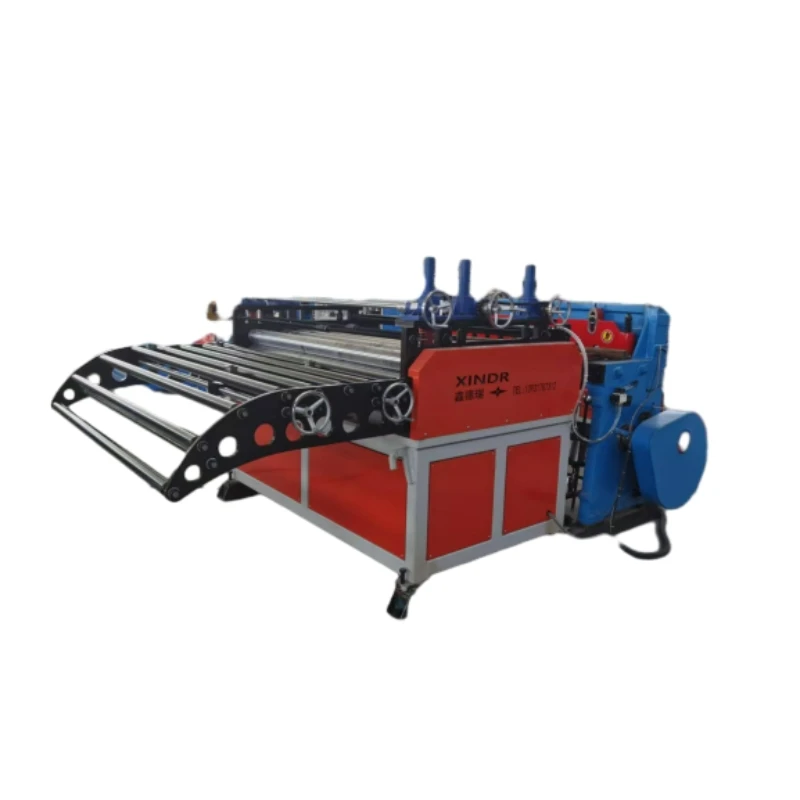 Fully Automatic Kaiping Production LineOct . 17, 2024
-
 Automatic Rolling MachineSep . 14, 2024
-
 Hydraulic Flanging MachineSep . 14, 2024